



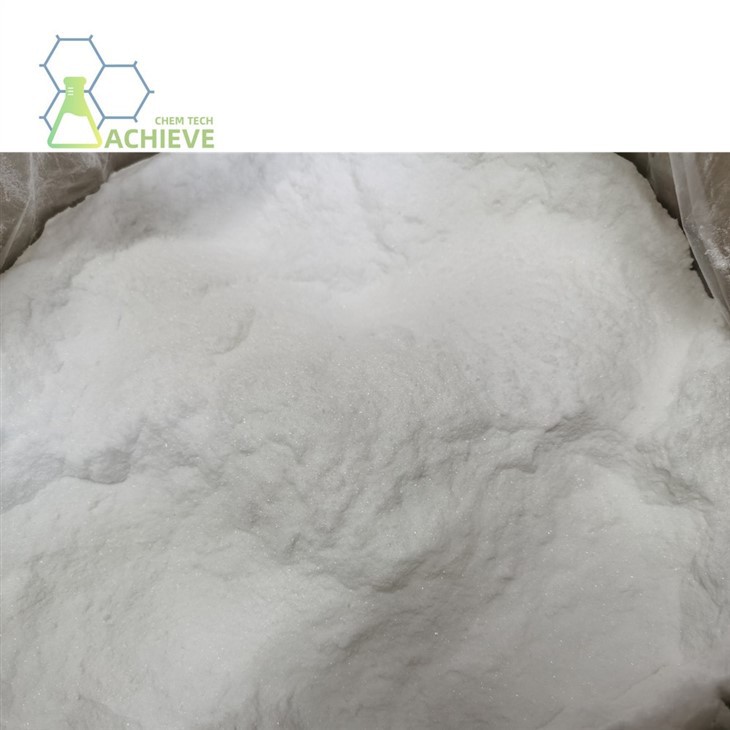
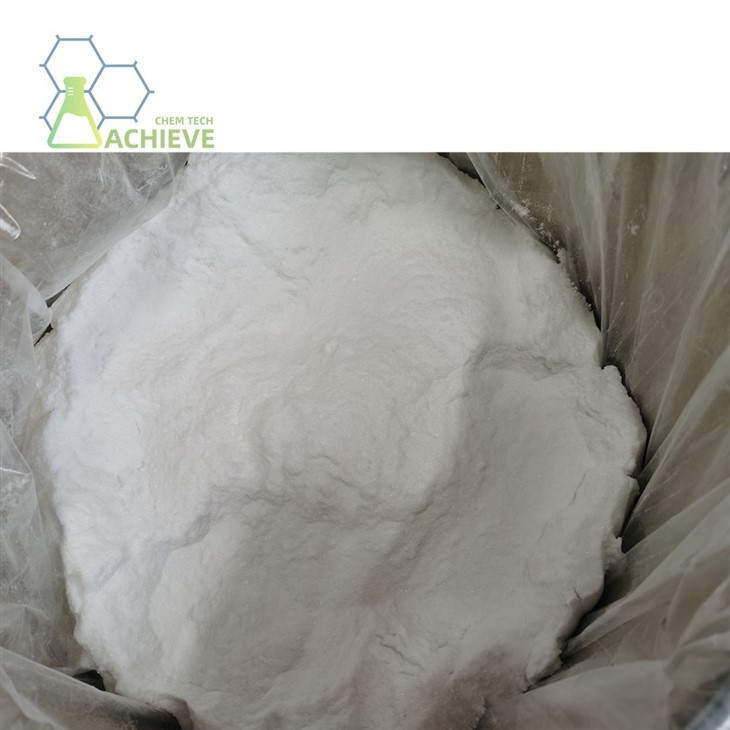
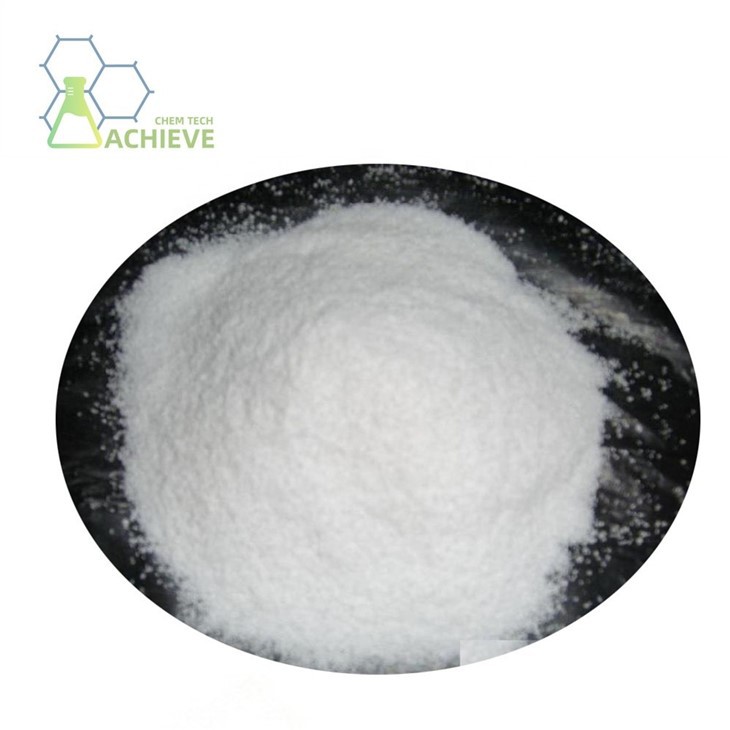
Shaanxi BLOOM Tech Co., Ltd. is one of the most experienced manufacturers and suppliers of furosemide powder in China. Welcome to wholesale bulk high quality furosemide powder for sale here from our factory. Good service and reasonable price are available.
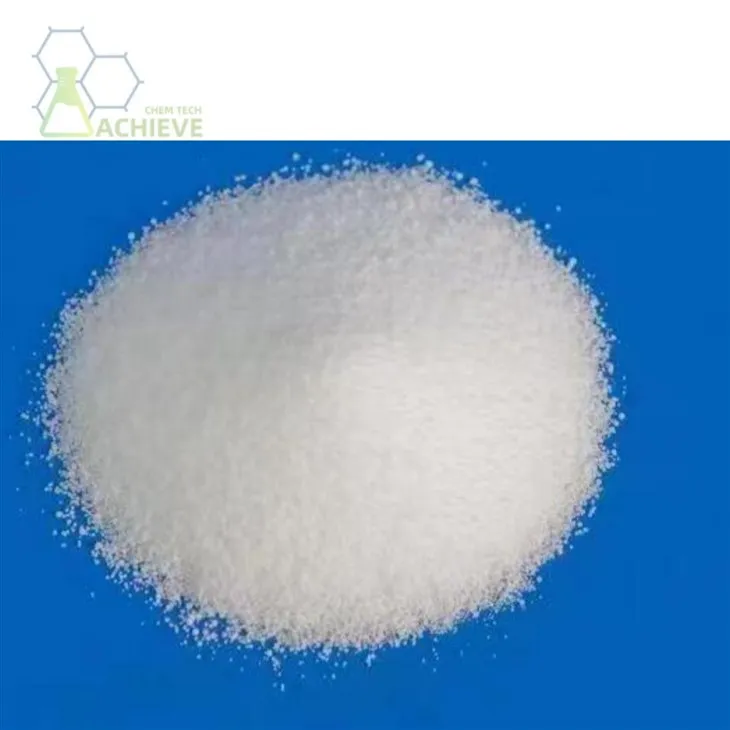
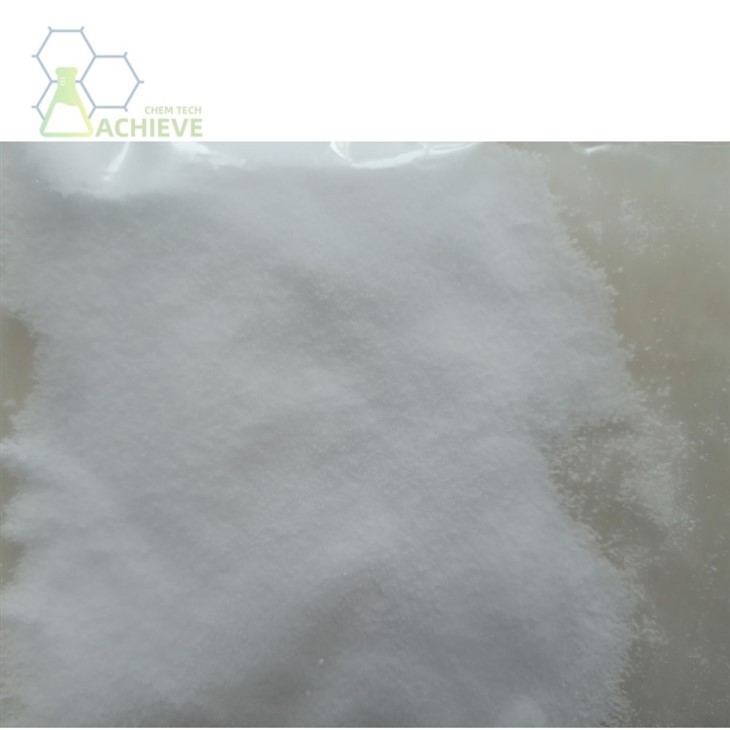
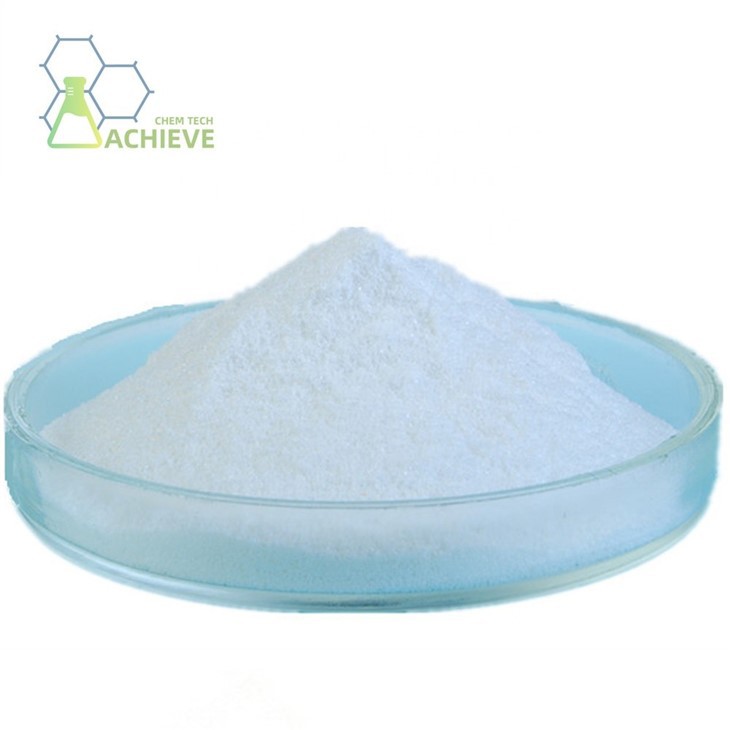
Furosemide Powder is a powerful sulfonamide diuretic. It is generally white or almost white crystalline powder, odorless, almost tasteless, and insoluble in water; Dissolve in acetone, slightly soluble in ethanol; Free dissolution in dilute alkaline solution, insoluble in dilute acid. It acts on the thick segment of the ascending branch of the renal tubular medullary loop, inhibits the active reabsorption of sodium (Na ⁺) and chloride (Cl ⁻) ions, reduces the osmotic concentration of the renal medullary interstitium, lowers the renal concentration function, thereby increasing urine output, and also has a vasodilatory effect, which can reduce peripheral resistance and alleviate the burden on the heart. It can treat fluid accumulation caused by heart failure, cirrhosis, nephrotic syndrome, etc. It can also be used as a maintenance therapy drug to reduce the burden on the heart and blood vessels.
Our products



| Product Name | Furosemide Powder | Furosemide Tablet | Furosemide Capsule | Furosemide Injection | Furosemide Ointment | Furosemide Syrup |
| Product Type | Powder | Tablet | Capsules | liquid | lotion | liquid |
| Product Purity | ≥99% | ≥99% | ≥99% | ≥99% | ≥99% | ≥99% |
| Product Specifications | 100g/1kg/etc. | 10mg/20mg/30mg | 10mg/20mg/30mg | 2ml/20mg | 10g/20g | 60ml |
| Product Form | Organic synthesis | Take Orally | Take Orally | Organic synthesis | External application | Take Orally |
Furosemide COA
 |
||
| Certificate of Analysis | ||
| Compound name | Furosemide | |
| Grade | Pharmaceutical grade | |
| CAS No. | 54-31-9 | |
| Quantity | 337.3kg | |
| Packaging standard | 25kg/drum | |
| Manufacturer | Shaanxi BLOOM TECH Co., Ltd | |
| Lot No. | 202501090048 | |
| MFG | Jan 9th 2025 | |
| EXP | Jan 8th 2028 | |
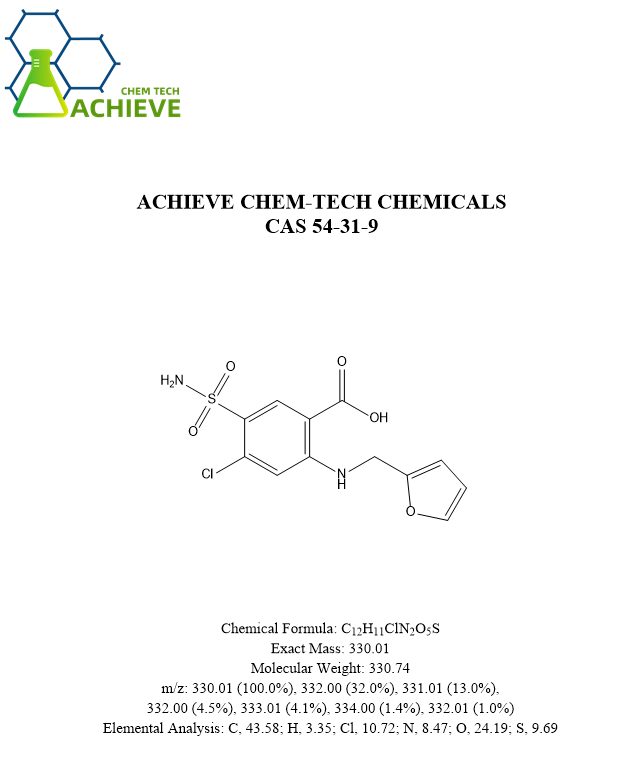
| Structure |
|
|
| Item | Enterprise standard | Analysis result |
| Appearance | White or almost white powder | Conformed |
| Water content | ≤5.0% | 0.48% |
| Loss on drying | ≤1.0% | 0.31% |
| Heavy Metals | Pb≤0.5ppm | N.D. |
| As≤0.5ppm | N.D. | |
| Hg≤0.5ppm | N.D. | |
| Cd≤0.5ppm | N.D. | |
| Purity (HPLC) | ≥99.0% | 99.90% |
| Single impurity | <0.8% | 0.48% |
| Total microbial count | ≤750cfu/g | 70 |
| E. Coli | ≤2MPN/g | N.D. |
| Salmonella | N.D. | N.D. |
| Ethanol (by GC) | ≤5000ppm | 400ppm |
| Storage | Store in a sealed, dark, and dry place below 2-8°C | |
|
|
||
|
|
||


Furosemide Powder, also known as furosemide or diuretic sulfonamide, is chemically named 4-chloro-N-furanmethyl-5-sulfonylbenzoic acid, with a molecular formula of C₁₂H₁₁ClN₂O₅S and a molecular weight of 330.75. Its appearance is white or off white crystalline powder, odorless and almost tasteless, with a melting point range of 208-213 ℃. This drug belongs to the sulfonamide class of potent diuretics, which exert diuretic effects by inhibiting the reabsorption of sodium and chloride ions by the ascending branch of the renal tubular medullary loop, while also having vasodilatory effects.

Physical and chemical properties
Solubility: insoluble in water, soluble in acetone, slightly soluble in ethanol
Stability: It decomposes simultaneously during melting and needs to be sealed and stored away from light
Preparation forms: tablets (20mg/40mg), injections (20mg/2ml), powders
Pharmacokinetic characteristics
Absorption: Oral bioavailability of 50% -75%, effective within 30 minutes; Intravenous injection takes effect within 5 minutes
Distribution: Plasma protein binding rate of 95% -99%, with high concentration in the liver
Metabolism: 10% is metabolized in the body as a derivative of furan methyl
Excretion: Mainly excreted through the kidneys (prototype and a small amount of metabolites), and in cases of renal insufficiency, excreted through bile
Half life: Normal 0.2-0.25 hours, prolonged to 10 hours in renal insufficiency

Core therapeutic purposes

Mechanism of action: Through potent diuretic action, rapidly reduce blood volume and cardiac output, and alleviate left ventricular preload; Expanding small arteries reduces peripheral resistance and decreases afterload.
Acute pulmonary edema: intravenous injection takes effect within 5 minutes, and the urine sodium excretion can reach 25 times before medication within 30 minutes
Chronic heart failure: Daily oral dose of 1-2mg/pound body weight (not exceeding 2g/day) can significantly improve symptoms such as dyspnea and edema
Stubborn heart failure: The dose can be increased to 4mg/pound body weight, and electrolytes need to be closely monitored
Evidence of therapeutic effect: Studies have shown that it can increase 24-hour urine output to 8-10L, increase left ventricular ejection fraction by an average of 15% -20%, and reduce hospitalization rates by 30% -40%
Mechanism of action: Inhibits the reabsorption of Na ⁺ and Cl ⁻ in the medulla and cortex of the ascending branch of the medullary loop, blocks the reabsorption of Mg ² ⁺ and Ca ² ⁺, and increases excretion.
Acute renal failure: daily dose 0.5-1mg/pound body weight, divided into 2 doses
Chronic kidney disease: dose adjustment based on creatinine clearance rate (halved when GFR<30ml/min)
Nephrotic syndrome: combined with albumin infusion can enhance diuretic effect
Caution: Avoid combination with aminoglycoside antibiotics (increasing ototoxicity); Regularly monitor blood potassium levels (which can easily lead to hypokalemia); Monitoring blood drug concentration is necessary when severe renal insufficiency occurs

Mechanism of action: Reduce blood volume through sodium excretion and diuresis, dilate blood vessels, and lower peripheral resistance.
Intravenous injection of 10-20mg takes effect, and if necessary, repeat after 30 minutes
Can be combined with nitroglycerin and sodium nitroprusside to enhance blood pressure lowering effect
Elderly patients need to reduce the dosage by half (5-10mg)
Efficacy data: Mean systolic blood pressure decreased by 25-30mmHg; Decreased diastolic blood pressure by 15-20mmHg; Effective time 5-10 minutes, maintained for 2-4 hours

Other indications

Cirrhotic ascites: Take 40-80mg orally daily, in combination with spironolactone
Hypercalcemia: intravenous injection of 40-80mg, 1-2 times a day
Drug poisoning: acting as a diuretic to promote the excretion of toxins
Preoperative preparation: reduce fluid retention and surgical risk
adverse reaction
Furosemide, also known as furosemide, is a widely used loop diuretic mainly used to treat edematous diseases (such as heart failure, cirrhosis ascites, nephrotic syndrome, etc.), hypertension, and adjuvant therapy for certain drug poisoning. Its powder form is convenient for precise dosage adjustment and suitable for different clinical needs. However, like all drugs, Furosemide Powder may also cause a series of adverse reactions during use.
Common adverse reactions
Electrolyte imbalance
Furosemide exerts a diuretic effect by inhibiting the reabsorption of sodium and chlorine by renal tubules, increasing urine output. But this process is often accompanied by the loss of electrolytes, especially potassium, sodium, chlorine, magnesium, etc.
Hypokalemia: The most common manifestation is muscle weakness, arrhythmia, intestinal paralysis, etc. Severe hypokalemia can be life-threatening.
Hyponatremia: may lead to fatigue, nausea, vomiting, headache, and even coma.
Hypochloriemia: often coexists with hyponatremia, causing metabolic alkalosis.
Hypomagnesemia: Less common, but can exacerbate symptoms of hypokalemia.
Prevention and treatment: Regularly monitor electrolyte levels and supplement potassium salts or other electrolytes if necessary; Encourage patients to consume potassium rich foods such as bananas, oranges, etc.
Hematological system reactions
Anemia: Long term use may lead to dilution anemia or nutritional anemia.
Leukopenia/granulocyte deficiency: rare but severe, manifested as fever and increased susceptibility to infection.
Thrombocytopenia: may lead to bleeding tendencies, such as nosebleeds, gum bleeding, etc.
Prevention and treatment: Regular blood routine examination; Seek medical attention immediately when signs of infection appear; Avoid using drugs that may worsen bone marrow suppression.
Gastrointestinal reactions
Nausea and vomiting: commonly seen in the early stages of medication, may be related to direct stimulation of the gastric mucosa by the drug.
Diarrhea or constipation: There are significant individual differences, which may be related to electrolyte imbalances or changes in intestinal peristalsis.
Pancreatitis: rare but severe, characterized by upper abdominal pain, nausea, vomiting, and elevated blood amylase levels.
Prevention and treatment: It is recommended to take it after meals to reduce gastrointestinal irritation; Stop taking medication immediately and seek medical attention when severe gastrointestinal symptoms occur.


Metabolic and endocrine reactions
Hyperuricemia: Furosemide Powder can reduce uric acid excretion and induce or worsen gout.
Reduced glucose tolerance/diabetes: long-term use may affect insulin sensitivity, leading to increased blood sugar.
Lipid metabolism disorder: may increase cholesterol and triglyceride levels.
Prevention and treatment: Regular monitoring of blood uric acid, blood glucose, and blood lipid levels; Gout patients should use with caution; Diabetes patients need to adjust the dosage of hypoglycemic drugs.
Allergic reactions
Rash and itching: common, mostly mild, can be relieved on its own after discontinuation of medication.
Severe allergic reactions, such as anaphylactic shock and laryngeal edema, are rare but life-threatening.
Prevention and treatment: Inquire about allergy history before medication; Stop taking medication immediately and receive anti allergic treatment when allergic symptoms appear; Severe allergic reactions require emergency treatment.
Ototoxicity
Tinnitus and hearing loss: High doses or long-term use may cause damage to cochlear and vestibular function, manifested as tinnitus, hearing loss, and even permanent deafness.
Prevention and treatment: Avoid long-term use of large doses; Regularly conduct hearing tests; Stop taking the medication immediately when symptoms of ototoxicity appear.
Cardiovascular system response
Hypotension: Rapid diuresis leads to a decrease in blood volume, which may cause hypotension, especially orthostatic hypotension.
Cardiac arrhythmia: related to electrolyte imbalance (especially hypokalemia), manifested as palpitations, chest tightness, dizziness, etc.
Prevention and treatment: Slowly change position to avoid orthostatic hypotension; Regularly monitor electrocardiogram and electrolyte levels; Promptly deal with arrhythmia when it occurs.
Renal reactions
Acute kidney injury: It is prone to occur in patients with insufficient blood volume or renal dysfunction, characterized by decreased urine output and increased blood creatinine.
Interstitial nephritis: rare but severe, characterized by fever, rash, hematuria, etc.
Prevention and treatment: Ensure sufficient blood volume; Regularly monitor renal function; Stop medication immediately and seek medical attention when symptoms of kidney damage appear.
Other reactions
Photogenic dermatitis: Some patients are sensitive to sunlight and may experience redness, blisters, etc. on exposed areas.
Muscle spasms: related to electrolyte imbalance, especially hypokalemia and hypomagnesemia.
Psychological and neurological symptoms, such as headaches, dizziness, insomnia, etc., may be related to electrolyte imbalances or direct drug effects.
Prevention and treatment: Avoid prolonged exposure to sunlight; Supplementing electrolytes; Assess whether medication dosage needs to be adjusted when experiencing psychiatric and neurological symptoms.

Historical Demand and Inspiration for Diuretic Drug Development
As the key raw material of potent loop diuretics, Furosemide Powder was developed in response to the strong clinical demand for highly effective and safe diuretics in the mid-20th century. At that time, the diuretic side effects of sulfonamide antibiotics pointed to a promising research direction, whereas traditional diuretics were either insufficiently potent or highly toxic, failing to meet the therapeutic needs of severe conditions such as heart failure and edema.

The research team led by Hermann Hoffmann at Hoechst AG in Germany drew inspiration from the furan ring and sulfamoyl group structure of Ammi visnaga, a traditional diuretic plant, and launched targeted molecular synthesis research aimed at inhibiting ion reabsorption in the renal loop of Henle.

Successful Development of the Core Molecule in 1959
In 1959, through a series of chemical modifications and structural optimizations, Hoffmann's team successfully synthesized the core molecule of furosemide, and the raw drug in powder form was prepared simultaneously.
This compound can precisely block the Na⁺-K⁺-2Cl⁻ cotransporter in the thick ascending limb of the loop of Henle, achieving potent diuresis at the molecular level. Compared with traditional diuretics, it has a more specific target and greatly improved diuretic efficiency. The powder form also laid a material foundation for the subsequent development of various dosage forms.

Clinical Studies and Official Launch in 1964
The pharmacological activity of furosemide powder was systematically validated by the team of Italian physician Carlo Erba. Both animal studies and human clinical trials confirmed that it could rapidly eliminate excess fluid from the body, and its efficacy in relieving edema of cardiac, hepatic, and renal origin was far superior to contemporary drugs, especially for acute pulmonary edema and other emergencies.
In 1964, furosemide preparations using furosemide powder as the raw material were first launched in Germany and Italy under the trade name Lasix, implying that its therapeutic effect lasts for 6 hours, combining high potency with safety.
Sustained Clinical Value of the Raw Drug Powder
As the core raw material for all furosemide formulations, furosemide powder has become a key foundation for global diuretic research and production due to its high purity and ease of preparation. Its discovery promoted the advancement of loop diuretic development, and furosemide has been included in the WHO Model List of Essential Medicines.
To this day, furosemide powder remains the essential raw material for the clinical manufacture of injections, tablets, and other dosage forms, providing important support for the treatment of edema, heart failure, hypertensive crisis, and other diseases.
FAQ
What is furosemide used for?
+
-
Furosemide (Lasix) is a powerful "water pill" (diuretic) used to treat fluid buildup (edema) from conditions like heart failure, liver disease, and kidney disease, and to manage high blood pressure, by making the kidneys remove excess salt and water, reducing swelling and lowering blood pressure to prevent stroke and heart attack. It's taken as tablets or liquid, often once or twice daily, and works by increasing urine output, helping the body get rid of excess fluid and salt.
Why is furosemide used in bodybuilding?
+
-
As a diuretic, Furosemide is banned for 2 reasons. It can be used to reduce weight amongst athletes. In sports where weight is a factor in competing or where having a lower weight may create an advantage (boxing, weightlifting, skating etc).
Is furosemide a powder?
+
-
Furosemide is a white to off-white odorless crystalline powder. It is practically insoluble in water, sparingly soluble in alcohol, freely soluble in dilute alkali solutions and insoluble in dilute acids.
Hot Tags: furosemide powder, suppliers, manufacturers, factory, wholesale, buy, price, bulk, for sale, Chenodeoxycholic Acid CDCA CAS 474 25 9, Adapalene Powder CAS 106685 40 9, L Epicatechin CAS 490 46 0, Adrenochrome Powder, filgotinib, Chlorhexidine Diacetate CAS 56 95 1