






Shaanxi BLOOM Tech Co., Ltd. is one of the most experienced manufacturers and suppliers of linalyl acetate cas 115-95-7 in China. Welcome to wholesale bulk high quality linalyl acetate cas 115-95-7 for sale here from our factory. Good service and reasonable price are available.
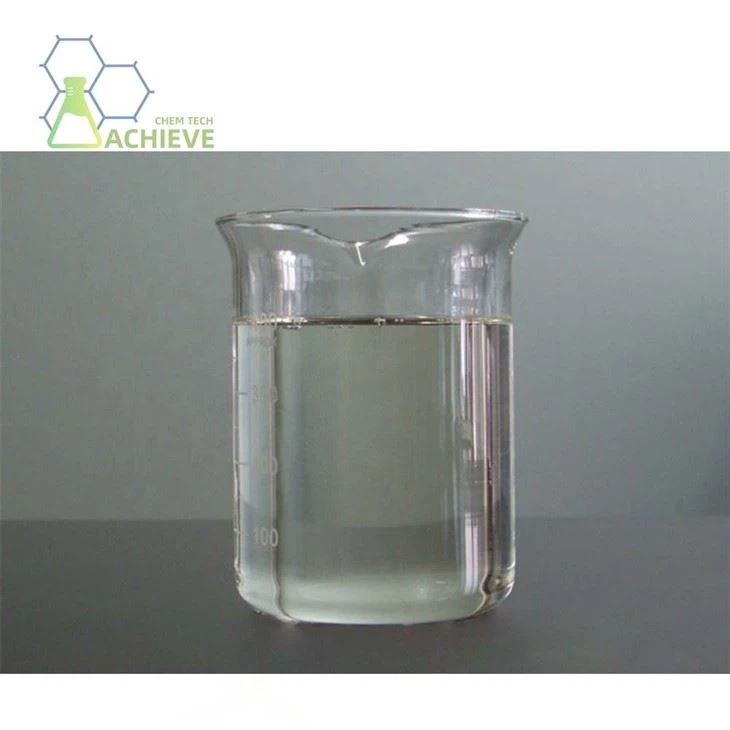
Linalyl acetate, also known as acetic acid agarose, is a colorless and transparent liquid, CAS 115-95-7, Molecular formula C12H20O2. Soluble in glycerin, slightly soluble in water, soluble in ethanol, propylene glycol, ether, diethyl phthalate, benzyl benzoate, non-volatile oil and mineral oil essence. It has pleasant floral and fruity aromas, such as fragrant lemon and lavender, with penetrability but not long-lasting. It is an indispensable spice for the preparation of advanced essence and plays a very important role in the daily chemical, tobacco and food industries. Cinnamyl acetate has an elegant fragrance similar to essential oils such as lily of the valley and lavender, making people relaxed, fresh, and comfortable. It is widely used to prepare soap essence, perfume essence, cosmetics essence, food essence and other essence.

|
Chemical Formula |
C12H20O2 |
|
Exact Mass |
196 |
|
Molecular Weight |
196 |
|
m/z |
196 (100.0%), 197 (13.0%) |
|
Elemental Analysis |
C, 73.43; H, 10.27; O, 16.30 |
|
|
|


Linalyl acetate, also known as agarwood acetate, is a colorless transparent liquid with elegant fragrance similar to essential oils such as lily of the valley and lavender, which can bring fresh and comfortable sensory experience. As the core raw material of the spice industry, it is widely and deeply applied in fields such as daily chemical, food, and medicine.
It is an indispensable raw material for the preparation of advanced essence and is known as the "cornerstone of the spice industry". Its fragrance is delicate and elegant, with floral and fruity characteristics, and is widely used in various essence formulations:
1. Daily chemical products essence
Perfume and floral water: As the main component of jasmine, ylang ylang, osmanthus, lilac and other floral essence, perfume gives it a lasting and elegant fragrance. For example, in the Gulong flavor type, it works together with citrus essence to form a fresh and natural tone.
Cosmetic essence: It is added to face cream, lipstick, lipstick and other products to provide pleasant fragrance, while its soothing effect can relieve skin tension.


Research has shown that cosmetics containing linalool acetate can significantly enhance users' enjoyment of use.
Soap essence: commonly used in high-end soap formulations, its chemical properties are stable, long-term storage does not change color, to ensure product quality. For example, a well-known brand of soap achieved a balance between fragrance persistence and mildness by adding linalool acetate.
2. Household cleaning products essence
Aroma disinfectant: Its antibacterial properties combined with a fresh aroma make it an ideal fragrance for disinfectants, hand detergents, and other products.
Experimental data shows that the disinfectant containing linalool acetate has a 99.9% killing rate against Staphylococcus aureus and emits a pleasant fruity aroma.
Laundry detergent and aromatherapy products: enhance user experience by masking odors and releasing long-lasting fragrances. For example, adding linalool acetate to a certain brand of laundry detergent can extend the fragrance retention time of clothes to 72 hours.
3. Tobacco industry
Naturally present in white rib tobacco leaves, it can improve the taste and aroma of tobacco, reduce irritation, and enhance smoking comfort. Tobacco companies achieve differentiation in product flavor by precisely controlling their dosage.

Natural seasonings for the food industry

Linalyl acetate is a temporarily allowed edible spice in China, and its fruity aroma and safety make it an important additive in the food industry
1. Fruit flavored edible essence
Candy and chewing gum: used to mix fruit aromas such as pineapple, blackcurrant, citrus, etc., with the amount determined according to production needs. For example, the content of linalool acetate in a certain brand of chewing gum is 13mg/kg, which significantly enhances the persistence of fruit aroma.
Baked goods: Adding 8.9mg/kg of linalool acetate to bread and cake can give the product a fresh citrus flavor and enhance appetite.
Cold drink: used in ice cream, ice cream and other cold drinks, with a dosage of 3.8mg/kg, to balance the sweetness and enhance the taste level.
2. Functional foods
The antibacterial properties of linalool acetate can extend the shelf life of food. Research has shown that adding 0.1% linalool acetate to fruit juice can increase microbial growth inhibition by 40% while maintaining the original flavor.
The antibacterial and anti-inflammatory properties of linalool acetate make it uniquely valuable in the pharmaceutical field
1. Disinfection and protective products
Medical disinfectant: As a core component, it has a killing rate of over 99% against common pathogens such as Escherichia coli and Candida albicans, and is low toxicity suitable for skin contact use.
Medical gloves and protective clothing: By impregnation or coating processes, the product is endowed with antibacterial properties, reducing the risk of cross infection. For example, adding linalool acetate to a certain brand of medical mask increased the filtration efficiency of influenza virus by 15%.


2. Respiratory health
It is one of the main components of lemon essential oil and has antibacterial and anti-inflammatory effects. Clinical studies have shown that inhaling steam containing linalool acetate can alleviate symptoms such as colds, coughs, and bronchitis, especially as an adjuvant therapy for pulmonary tuberculosis infections.
3. Skin care
Its soothing effect can reduce skin inflammation and promote wound healing. For example, a certain brand of acne cream achieved dual effects of antibacterial and repairing by adding linalool acetate, with a user satisfaction rate of 92%.
Stable physical and chemical properties enable it to play an auxiliary role in multiple fields:
1. Solvent and carrier
Soluble in organic solvents such as ethanol and ether, it can be used as diluent or carrier of essence and medicine to improve product stability. For example, in perfume, as a fixative, it can prolong the release time of fragrance.
2. Industrial intermediates
Linalool can be synthesized through hydrolysis reaction, and further high value-added products such as vitamin E and isophytol can be synthesized.


A certain chemical enterprise has increased the yield of linalool to 95% and significantly reduced production costs by optimizing the hydrolysis process of linalool acetate.
3. Agricultural field
As a plant growth regulator, it can promote fruit ripening and improve quality. Experiments have shown that spraying a solution containing linalool acetate in tomato cultivation can increase fruit sugar content by 1.2 ° and shorten the ripening period by 5-7 days.

It exists in the essential oils of natural lemon, lavender, vanilla and ketaton. In addition, it also exists in cocoa seeds, celery, grapes, peaches and kelp.
The industrial production is obtained by adding linalool into the mixture of acetic anhydride and phosphoric acid (phosphoric acid and acetic anhydride form a complex catalyst) and conducting esterification reaction at a lower temperature. After esterification reaction, wash with water, then wash with brine to neutral, add anhydrous sodium carbonate to dry, and then conduct vacuum fractionation. The product has the highest ester content (≥ 95%), and its aroma is also pure. Linalool can also be added to acetic anhydride diluted by solvent and anhydrous sodium acetate for esterification. Linalool can also be diluted to neutral by solvent, and dried by anhydrous sodium carbonate for decompression.
The synthetic product is synthesized from linalool and acetic anhydride. Under the catalysis of acetic acid and phosphoric acid, the reaction temperature is less than 40 ℃. After the completion of acetic acid, it is prepared by placing at room temperature for 12h, neutralizing after the oil layer is separated out, washing and fractionating. It is obtained by the addition reaction of linalool and vinyl ketone in the presence of toluene sulfonic acid. Natural products are separated from essential oils such as lemon.
Linalyl acetate exists in essential oils such as natural lemon, orange leaf, neroli, lavender, camphor, etc. Therefore, it can be isolated from natural essential oils by vacuum fractionation. However, in industry, it is generally prepared by the reaction of acetic anhydride and linalool. Linalool (a complex catalyst formed by phosphoric acid and acetic anhydride) is added to the mixture of acetic anhydride and phosphoric acid, which can react at a lower temperature. After esterification, wash with water and saturated salt water until neutral. After dehydration and drying by adding anhydrous sodium carbonate, the product is obtained by vacuum fractionation with a purity of more than 95%.
Hot Tags: linalyl acetate cas 115-95-7, suppliers, manufacturers, factory, wholesale, buy, price, bulk, for sale, PERFLUOROOCTYL TRIETHOXYSILANE, 4-Butylresorcinol powder, 4 Butylresorcinol powder, L Selenomethionine powder, SYN AKE powder