




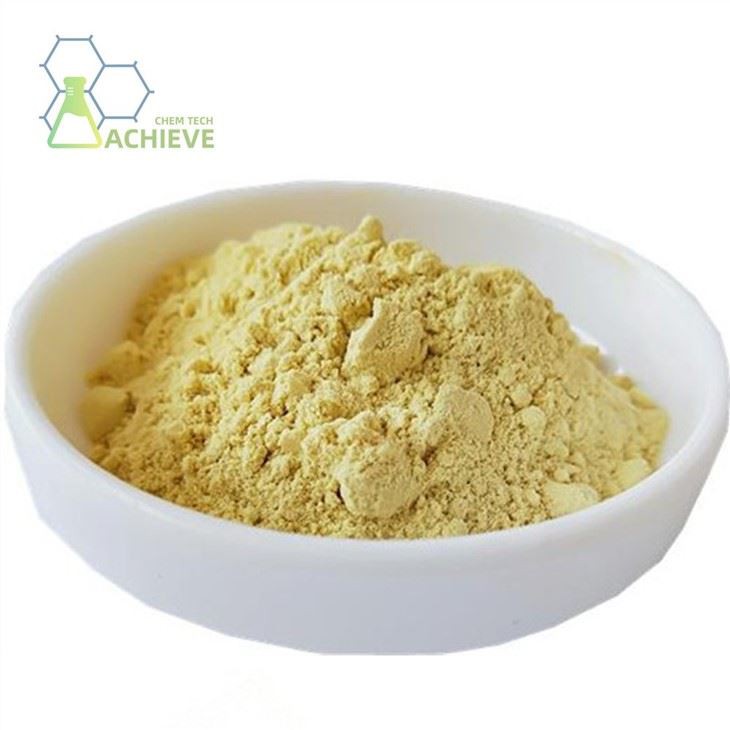

Zinc pyridinethione powder is a chemical substance, which is a gray white to yellowish brown powder. In cosmetics as anti dandruff agents and fungicides, widely used in the preparation of dandruff shampoo. Zinc pyridinethione forms insoluble precipitates with cationic and non-ionic surfactants, which are unstable to light and oxidants, and unstable to acids and bases at higher temperatures. It is incompatible with EDTA, and non-ionic surfactant will make it partially inactivated. In the presence of heavy metals, chelation or anti chelation will occur, and these chelates are difficult to dissolve in water. Zinc pyridinethione is a kind of chelate, which is a very effective compound against mold and bacteria. Its anti dandruff activity is very strong. It is mainly used in cosmetics, shampoo, skin care, adhesives, coatings, paints, etc.

|
Chemical Formula |
C10H8N2O2S2Zn |
|
Exact Mass |
316 |
|
Molecular Weight |
316 |
|
m/z |
316 (100.0%), 318 (57.4%), 320 (38.6%), 317 |
|
Elemental Analysis |
C, 37.81; H, 2.54; N, 8.82; O, 10.07; S, 20.18; Zn, 20.58 |
|
|
|
|



There are many methods to synthesize zinc pyridinethione powder. At present, the following three methods are listed:

Method 1:
Using 2-chloropyridine as raw material, using the catalytic oxidation system composed of maleic anhydride and acetic acid, and using Na2S Nash buffer system to further control the sulfhydrylation reaction, pyridinethione zinc was obtained with a yield of about 75%.
Method 2:
N-oxide-2-hydroxypyridine was synthesized from pyridine by oxidation with 30% H2O2 in the system of dimethyl sulfoxide, toluene and sulfur powder, and then combined with Zn2 + to form salt. Although this method is simple, the raw materials are easy to obtain and cheap, the overall yield is very low, only about 17%.
Method 3:
Using 2-carboxypyridine as raw material, the reaction conditions are relatively harsh. Nah, LiCl and other catalysts will be used in the reaction process. The price is expensive and the risk coefficient is high. It is difficult to industrialize on a large scale.

zinc pyridinethione powder (ZPT), also known as pyrithione zinc, is an organic metal compound that has been widely used in the field of daily chemical products due to its excellent antibacterial, antifungal, and antiviral properties.
Main purpose

1. Anti dandruff shampoo
Zinc pyrithione is a key component in high-efficiency dandruff shampoo. It can effectively inhibit fungi such as Malassezia on the scalp and reduce the production of dandruff. At the same time, zinc pyrithione can improve the scalp environment, reduce oil secretion, and keep the scalp fresh. Many well-known shampoo brands, such as Haifeisi, Qingyang, Sassoon, Pantene, Piaoluo, Adolph, etc., contain zinc pyrithione as an ingredient. These shampoos provide consumers with an effective dandruff solution by adding zinc pyrithione.
2. Hair conditioner and body lotion
In addition to shampoo, zinc pyrithione is also used in hair conditioners and body lotion. Zinc pyrithione in hair conditioner can further consolidate the anti dandruff effect, while moisturizing hair and making it smoother. Zinc pyrithione in body lotion can help inhibit bacteria and fungi on the skin and reduce the risk of skin inflammation and infection.


3. Sunscreen and skincare products
Zinc pyrithione also plays an important role in sunscreen and skincare products. It can effectively absorb ultraviolet rays, block the damage of ultraviolet rays to the skin, and protect the skin from the harm of sunlight. In addition, zinc pyrithione can regulate skin oil secretion, reduce pore blockage, and help prevent and improve acne problems. In skin care products, zinc pyrithione is often added to facial mask, facial cleansers, toners and other products to provide antibacterial and anti-inflammatory effects.
4. Antibacterial hand sanitizer and soap
The antibacterial properties of zinc pyrithione make it an ideal ingredient for antibacterial hand sanitizers and soaps. These products can effectively kill bacteria and viruses on the hands and reduce the risk of infection by adding zinc pyrithione. During the epidemic, antibacterial hand sanitizers and soaps containing zinc pyrithione have become important tools for people's daily protection.

Specific examples
1. Example of dandruff shampoo
Brand: Haifei Silk
Haifei Si is a globally renowned dandruff shampoo brand, which contains zinc pyrithione as a key dandruff reducing ingredient in its products. Haifei Si shampoo effectively removes dandruff by thoroughly cleaning the scalp, while moisturizing the hair to make it smoother. The anti dandruff effect of Haifei silk has been recognized and praised by a large number of consumers.
Wide Applications
Qingyang is another well-known brand of dandruff shampoo, which also adds zinc pyrithione to its products. Qingyang shampoo focuses on scalp health by inhibiting fungi and bacteria on the scalp, reducing the production of dandruff. At the same time, Qingyang shampoo also adds a variety of plant essence to provide comprehensive nourishment and protection for hair.
2. Examples of hair conditioners
Brand: Pantene
Pantene hair conditioner contains zinc pyrithione to enhance the anti dandruff effect of shampoo. Pantene hair conditioner can deeply moisturize hair, repair damaged hair texture, and make hair softer and smoother. Meanwhile, the antibacterial properties of zinc pyrithione can also help reduce bacteria and fungi on the scalp, maintaining scalp health.
Brand: Sha Xuan
Sassoon hair conditioner also contains zinc pyrithione. Sha Xuan hair conditioner focuses on the smoothness and luster of hair, providing comprehensive care for hair by adding various nourishing ingredients and moisturizing factors. Meanwhile, the antibacterial properties of zinc pyrithione can also help reduce oil and dandruff on the scalp, keeping hair fresh.
3. Examples of Sunscreen
Brand: Anisun
An Naisun sunscreen contains zinc pyrithione as a sunscreen ingredient. An Nai Sun Sunscreen has excellent sun protection effects and can block the damage of ultraviolet rays to the skin. Meanwhile, the antibacterial properties of zinc pyrithione can also help reduce bacteria and fungi on the skin, reducing the risk of skin inflammation and infection.
Brand: Neutrogena
Neutrogena sunscreen also contains zinc pyrithione. Neutrogena sunscreen focuses on lightweight, breathable, and long-lasting sun protection. By adding various sun protection ingredients and moisturizing factors, it provides comprehensive protection for the skin. At the same time, the antibacterial properties of zinc pyrithione can also help reduce oil and dirt on the skin, keeping the skin fresh.
4. Examples of antibacterial hand sanitizer
Brand: Dettol
Drip antibacterial hand sanitizer contains zinc pyrithione as an antibacterial ingredient. Drip hand sanitizer has excellent bactericidal effect, which can kill bacteria and viruses on hands and reduce the risk of infection. At the same time, a variety of plant essence and moisturizing factors are added to the hand lotion to keep the hand skin moist and smooth.
Brand: Shufujia
Shufujia antibacterial hand sanitizer also contains zinc pyrithione. Shufujia hand sanitizer focuses on gentle cleaning and antibacterial effects, providing comprehensive protection for hand skin by adding various gentle ingredients and antibacterial factors. At the same time, the antibacterial properties of zinc pyrithione can also help reduce oil and dirt on the hands, keeping the skin on the hands fresh.
Zinc pyridinethione powder (ZPT), as an efficient and broad-spectrum antibacterial agent, has been widely used in various fields such as daily chemical products, pharmaceuticals, veterinary drugs, pesticides, etc. Its unique antibacterial mechanism enables it to significantly kill and inhibit various bacteria and fungi under different conditions.
Antibacterial mechanism
The antibacterial mechanism of zinc pyrithione is complex and diverse, mainly including the following aspects:
The cell membrane is an important barrier for bacterial cells, maintaining the balance of the intracellular and extracellular environment, and participating in the transport and metabolism of substances. Zinc pyrithione can act on bacterial cell membranes, disrupting their structure and increasing membrane permeability, leading to the leakage of substances from cells and disrupting their normal physiological functions.
Specifically, zinc pyrithione can bind to phospholipid molecules on the cell membrane, altering the lipid composition and fluidity of the cell membrane, leading to impaired membrane function. In addition, zinc pyrithione can further exacerbate membrane damage by interfering with the synthesis and repair processes of cell membranes.

2. Interference with cellular metabolic processes

Cellular metabolism is the foundation of bacterial growth and reproduction, including multiple processes such as glycolysis, tricarboxylic acid cycle, oxidative phosphorylation, etc. Zinc pyrithione can interfere with these metabolic processes and inhibit the normal growth and reproduction of bacteria.
On the one hand, zinc pyrithione can inhibit enzyme activity in bacterial cells, such as key enzymes like ATPase and dehydrogenase, thereby blocking the energy supply and material metabolism of cells. On the other hand, zinc pyrithione can also interfere with bacterial processes such as DNA replication and protein synthesis, further inhibiting bacterial growth and reproduction.
Bacteria need to maintain a balance of ion concentration inside and outside the cell in order to maintain normal physiological functions. Zinc pyrithione can act on bacterial cells by altering the concentration gradient of ions inside and outside the cell, preventing bacteria from obtaining necessary nutrients and ultimately leading to cell death.
Under neutral or acidic conditions, zinc pyrithione can carry potassium ions (K ⁺) out of bacterial cells while bringing hydrogen ions (H ⁺) into bacterial cells. Under alkaline conditions, zinc pyrithione can carry potassium or magnesium ions (Mg ² ⁺) out of bacterial cells, while bringing sodium ions (Na ⁺) into bacterial cells. This ion exchange process disrupts the concentration gradient of ions inside and outside bacterial cells, leading to the inability of bacteria to maintain normal physiological functions and ultimately death.

4. Binding with DNA to block replication

DNA is the carrier of bacterial genetic information, and its replication and transcription processes are crucial for bacterial growth and reproduction. Zinc pyrithione can bind to DNA, interfere with its normal structure and function, thereby blocking DNA replication and transcription processes.
Specifically, zinc pyrithione can bind to bases on DNA strands, forming stable complexes that cause DNA strand breakage and cross-linking. This type of DNA damage can interfere with the replication and transcription processes of DNA, preventing bacteria from synthesizing necessary proteins and enzymes, ultimately leading to cell death.
Antibacterial effect and influencing factors
The antibacterial effect of zinc pyrithione is influenced by various factors, including concentration, pH value, temperature, and synergistic effect with other antibacterial agents.
The antibacterial effect of zinc pyrithione is closely related to its concentration. Within a certain range, as the concentration increases, the antibacterial effect of zinc pyrithione gradually strengthens. However, when the concentration is too high, it may have certain toxic effects and cause damage to cells. Therefore, in practical applications, it is necessary to choose an appropriate concentration range.
The pH value also has a significant impact on the antibacterial effect of zinc pyrithione. The bactericidal mechanism and effect of zinc pyrithione differ at different pH values. Under neutral or acidic conditions, zinc pyrithione mainly exerts its bactericidal effect by carrying potassium ions out of bacterial cells and into hydrogen ions; Under alkaline conditions, the bactericidal effect is mainly achieved by bringing potassium or magnesium ions out of bacterial cells and into sodium ions. Therefore, in practical applications, it is necessary to choose the appropriate pyridine thioketone zinc product based on the pH value of the usage environment.
Temperature is another important factor affecting the antibacterial effect of zinc pyrithione. Within a certain range, as the temperature increases, the antibacterial effect of zinc pyridinethione powder gradually strengthens. However, excessively high temperatures may lead to a decrease in the stability of zinc pyrithione, thereby affecting its antibacterial effect. Therefore, in practical applications, it is necessary to choose a suitable temperature range.
Zinc pyrithione can synergistically act with other antibacterial agents to enhance the antibacterial effect. For example, when used in combination with antibacterial agents such as polylysine and polyquaternary ammonium salts, it can produce significant synergistic effects, enhancing the killing and inhibitory effects on bacteria and fungi. This synergistic effect may be due to the complementary mechanisms of action between different antibacterial agents.
FAQ
What is zinc pyrithione powder used for?
Pyrithione zinc, also commonly known as zinc pyrithione, has antibacterial, antimicrobial, and antifungal properties, which is why it's often used in dandruff shampoo. Pyrithione zinc can help treat seborrheic dermatitis (also called dandruff), scalp psoriasis, and acne.
Can I use pyrithione zinc on my face?
Face wash: The same properties that make zinc pyrithione effective as a dandruff treatment also make it effective in treating fungal acne. Use a face wash with 2% zinc pyrithione to help clear up breakouts. (And whatever you do…don't pop those pimples!)
Does zinc pyrithione regrow hair?
Zinc Pyrithione can clear dead skin cells or treat several conditions that prevent hair growth, such as clogged hair follicles and dead skin cells, and treat Psoriasis. This helps in the growth of fuller, healthier, and stronger hair.
How long to leave zinc pyrithione on scalp?
Use in a hydrating conditioner: Conditioners with zinc pyrithione can help fight dandruff, itch, and flaking while restoring scalp balance and providing hydration. After shampooing, massage the conditioner into your scalp and hair and cover it with a shower cap. Leave on for 3 minutes and wash out.
Hot Tags: Zinc Pyrithione Powder CAS 13463-41-7, suppliers, manufacturers, factory, wholesale, buy, price, bulk, for sale, Sodium Isopropyl Xanthate SIPX , 1 Nonanol CAS 143 08 8, Sodium Dodecyl Aulfate Powder CAS 151 21 3, Dicyclohexylcarbodiimide powder, 2 Methyl 2 propene 1 sulfonic Acid Sodium Salt CAS 1561 92 8, Monostearin