


Cats are private animals. They groom themselves silently and conceal pain effectively. They seldom display evident indicators of a parasite load until the condition has already become advanced. This behavioral inclination makes regular parasite prevention not simply a convenience, but a real foundation of feline health management." Milbemycin oxime powder is a well-established component of feline parasite management methods and is among the active medicinal ingredients accessible to veterinary specialists and compounding manufacturers today. This essay explores how it works, what it targets, and why it continues to capture attention throughout the worldwide veterinary supply chain.
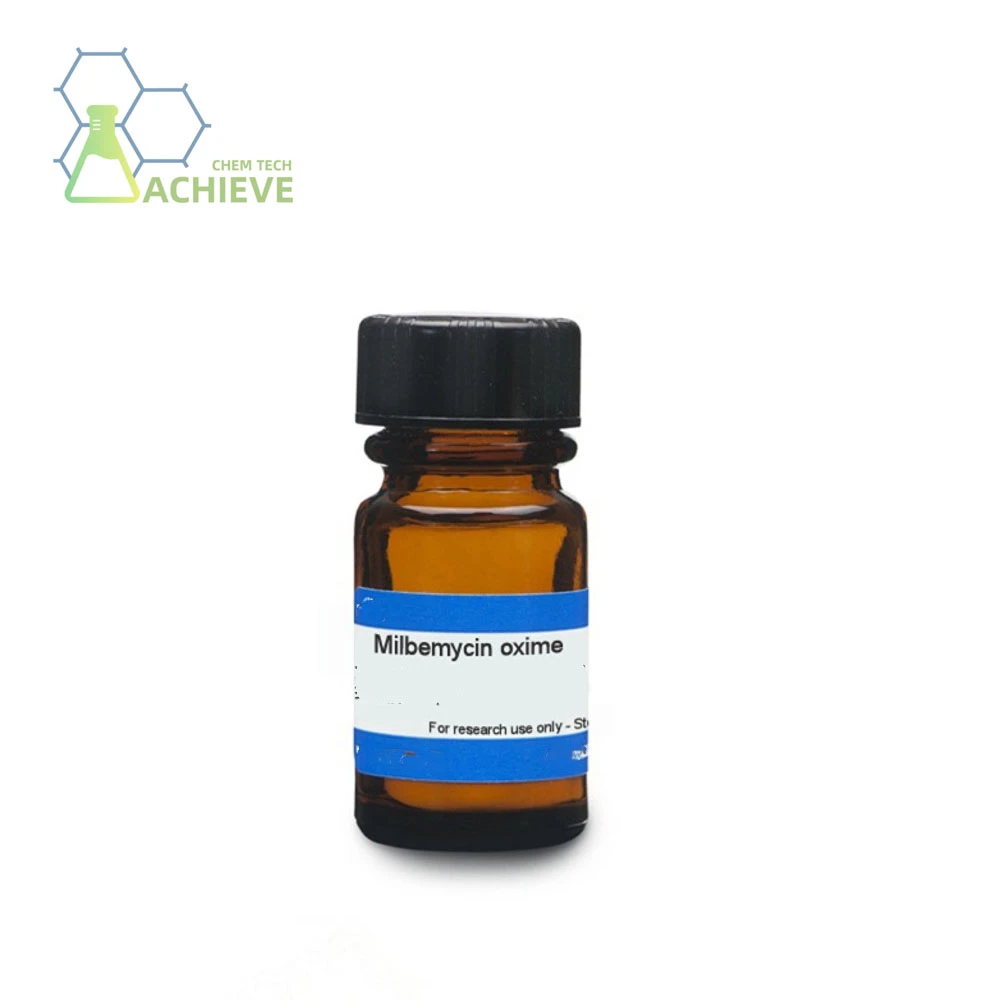
Milbemycin Oxime Powder
1.General Specification(in stock)
(1)API(Pure powder)
(2)Tablets
For dogs:2.3mg/5.75mg/11.5mg/23.0mg
For cats: 5.75mg/11.5mg/23.0mg
(3)Pill press machine
https://www.achievechem.com/pill-press
2.Customization:
We will negotiate individually, OEM/ODM, No brand, for secience researching only.
Internal Code: BM-1-112
Milbemycin oxime CAS 129496-10-2
Main market: USA, Australia, Brazil, Japan, Germany, Indonesia, UK, New Zealand , Canada etc.
Manufacturer: BLOOM TECH Xi'an Factory
Analysis: HPLC, LC-MS, HNMR
Technology support: R&D Dept.-4
How Does Milbemycin Oxime Powder Work Against Parasites in Cats?
Understanding the pharmacological basis of an antiparasitic agent is important - particularly when you are sourcing it for formulation or professional usage. Milbemycin oxime powder is a macrocyclic lactone, a group of chemicals generated from soil bacteria of the genus Streptomyces. It has been clinically relevant for decades, in part, because its mechanism of action is precise and well-characterized.
Neuromuscular Disruption at the Molecular Level
The chemical specifically binds to the glutamate-gated chloride ion channels in the nerve and muscle cells of invertebrates. These channels are lacking in vertebrates, providing a vital safety gap between the therapeutic dosages in cats and levels that might damage mammalian physiology. When the chemical attaches itself to these channels, it keeps them open, and chloride ions constantly flow into the parasite's cells. The ionic disturbance produces hyperpolarization of the neuromuscular membrane, resulting in flaccid paralysis and death of the target organism.
Selective Toxicity and Feline Safety Profile
One of the problems that keeps coming up with macrocyclic lactones in cats is the blood-brain barrier integrity.
In cats, the pharmacokinetic profile of milbemycin oxime powder restricts its entry into the central nervous system at normal therapeutic doses. Published research in veterinary pharmacology literature reveals that the chemical achieves peak plasma concentrations rather rapidly following oral administration and is mostly eliminated via fecal routes within 48 hours, minimizing systemic buildup. This quick clearance profile makes it a feasible choice for regular, frequent dosing in monthly preventive protocols.
Milbemycin Oxime Powder and Chloride Channel Activity in Feline Parasites
The chloride channel mechanism is worth additional investigation as it accounts for both the potency and the selectivity of this chemical. Parasites such as nematodes are highly dependent on the inhibitory neurotransmission pathways regulated by these channels. At therapeutic quantities, milbemycin oxime powder binds permanently to them, and the parasite loses all voluntary motor control.
Why Chloride Channel Binding Matters for Broad-Spectrum Efficacy
Glutamate-gated chloride channel modulation is extremely specific to invertebrates, unlike drugs targeting acetylcholinesterase inhibition, which may generate collateral effects in a wider spectrum of biological systems. This selectivity allows one active ingredient to hit a wide spectrum of parasites, removing the need for chemical combinations that add complexity to the formulation. That profile means formulation flexibility and regulatory tractability for compounding manufacturers and veterinary product makers.
Implications for Larval and Adult Stage Targeting
A remarkable feature of milbemycin oxime powder for cats is the reported action against larval and adult stages of vulnerable nematode species.
This two-stage action is pharmacologically important. Many antiparasitic drugs are stage-specific and hence coverage gaps may exist if the timing of treatment is incorrect. Covering both phases of development in a single dose cycle increases the dependability of monthly preventive methods and decreases the clinical risk arising from irregular delivery schedules.
Which Internal Parasites Can Milbemycin Oxime Powder Help Control in Cats?
Many pet owners don't realize how frequent internal parasite diseases are in cats. Cats that are let outside, live with other animals, or have a history of being a stray are at much increased risk of infection. Milbemycin oxime powder covers many of the most therapeutically important internal parasite groups.
Intestinal Nematodes in Feline Patients
Roundworms (Toxocara cati) and hookworms (Ancylostoma tubaeforme) are the most common intestinal nematodes infecting domestic cats around the globe. Both species have an impact on nutrient absorption and may have major clinical repercussions in younger or immunocompromised cats. Milbemycin oxime powder has shown effectiveness against adult and late-larval stages of these organisms,

therefore presenting a suitable active ingredient for compound formulations for the regular treatment of intestinal parasites.
Lungworm and Emerging Parasite Considerations
The feline lungworm Aelurostrongylus abstrusus is attracting increased interest in the veterinary literature because of its expanding geographic spread. Studies of macrocyclic lactone effectiveness against feline lungworm have indicated promising action for milbemycin-class drugs; however, treatment procedures may need veterinarian advice depending on the severity of infection. This developing therapeutic area reflects an expanding facet of the clinical value of the chemical in cats.
How Milbemycin Oxime Powder Fits Into Feline Heartworm Prevention
Feline heartworm disease produced by Dirofilaria immitis varies from the canine form in several respects. Cats are not common hosts, thus adult worm loads are often smaller – yet the inflammatory response to even a modest number of parasites may be disproportionately severe. Prevention is better; in fact, it is almost the only management option for cats.
Monthly Dosing as a Prevention Framework
In some countries, milbemycin-class drugs have been registered for monthly heartworm prophylaxis in cats. The monthly dose schedule is consistent with feline behaviors and owner compliance, and practical factors in real-world preventative programs.
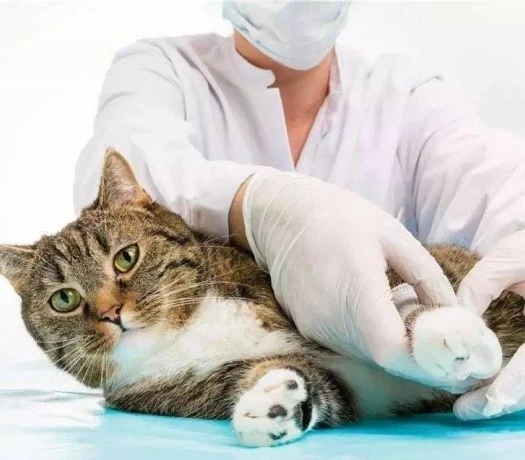
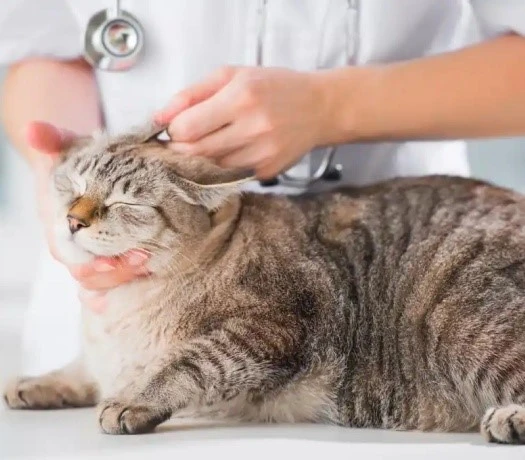
Milbemycin oxime powder, when given within the allowed dosage ranges, kills susceptible Dirofilaria immitis larvae before they develop, therefore breaking the cycle of infection at its most vulnerable moment.
Combination Formulation Opportunities
Milbemycin oxime powder is compatible with various active medicinal ingredients, leading to substantial formulation potential. The use of praziquantel, for example, means that a single treatment may address both nematode and cestode loads concurrently, which is a real benefit for multi-cat families or shelters with complicated parasite burdens. Bloomtechz provides pharmaceutical-grade milbemycin oxime powder (CAS 129496-10-2) with the purity specifications for this kind of combination formulation.
Milbemycin Oxime Powder for Cat Parasite Management From Prevention to Control
Parasite control for cats is not a one-time thing. It is a continuous, season-sensitive, and patient-specific approach that benefits from dependable and well-characterized active substances.
Integrating Milbemycin Oxime Into a Broader Health Protocol
The successful control of parasites in cats generally involves a combination of internal and external parasite coverage, environmental management, and regular veterinarian monitoring. Milbemycin oxime powder is a reliable ingredient for internal parasites in this regard. It is compatible with topical ectoparasiticide treatments, allowing integration into multi-modal procedures without pharmacokinetic conflict. This combination of flexibility brings real value for product producers and veterinary formulators.
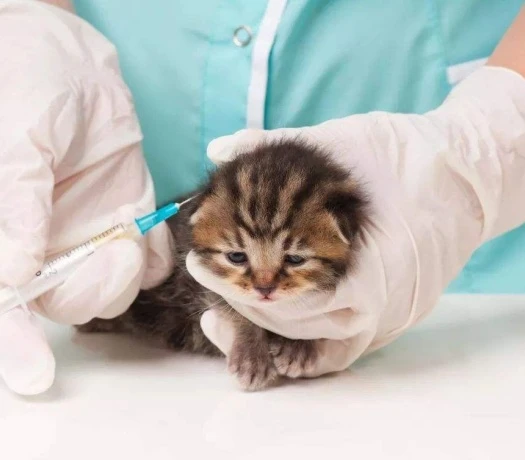
Supporting Long-Term Use With a Favorable Safety Profile
Chronic toxicity tests with daily treatment of 3 mg/kg body weight resulted in no obvious deleterious effects in the animals studied. That margin of safety is a significant comfort for a substance that will be used preventatively every month for the life of a cat. Its low effect on hepatic enzyme indicators such as GOT and GPT gives it a choice even for cats with underlying metabolic issues – a group that is growing as the global pet populace ages.
Conclusion
The pharmacological properties of Milbemycin oxime powder correspond very well to the practical needs of current veterinary practice; therefore, this product has become a well-deserved staple in the fight against feline parasites. It is a compound worth understanding in depth – whether you are a veterinary professional, a formulation chemist, or a procurement specialist sourcing ingredients for regulated markets – because of its selective mechanism, its broad-spectrum internal parasite coverage, its documented safety profile, and its formulation compatibility.
Frequently Asked Questions
1. What is the standard dose range for milbemycin oxime powder in cats?
+
-
The commonly referenced oral dose for monthly heartworm prevention and intestinal nematode control in cats falls within approximately 2 mg/kg to 4 mg/kg body weight, though specific dosing protocols should always align with applicable regulatory guidelines and veterinary supervision requirements.
2. Is milbemycin oxime powder safe for kittens?
+
-
Published guidelines generally support use in kittens older than six weeks of age and above a minimum body weight threshold. The compound's favorable safety profile at therapeutic doses makes it one of the more broadly applicable options in young feline patients, though veterinary guidance remains essential for determining individual suitability.
3. Can milbemycin oxime powder be used in combination with other active ingredients?
+
-
Yes. Milbemycin oxime powder is well-documented in combination formulations, most notably with praziquantel for tapeworm coverage. Its physicochemical compatibility with a range of co-actives makes it a flexible building block for multi-spectrum veterinary formulations targeting both internal and external parasites.
Partner With Bloomtechz for Reliable Milbemycin Oxime Powder Supply
If you are searching for a dependable milbemycin oxime powder supplier, Bloomtechz delivers pharmaceutical-grade quality backed by a GMP-certified production facility spanning 100,000 square meters - certified by US FDA, EU GMP, JP, and CFDA standards. Our manufacturing site has passed on-site inspections by CFDA, US FDA, PMDA, MFDS, and BGV-Hamburg, Germany. With over 12 years of organic synthesis expertise and triple-link quality verification - factory-level, internal QA/QC, and third-party authority agency analysis - we provide the accuracy and traceability that regulated markets demand. Milbemycin oxime powder (CAS 129496-10-2) is available as API pure powder and in tablet formats for cats, with OEM/ODM customization options available. Reach out to our team today at Sales@bloomtechz.com to discuss your sourcing requirements.
References
1. Prichard, R. K., & Geary, T. G. (2019). Perspectives on the utility of moxidectin and milbemycin-class compounds for the control of parasitic nematodes in the face of developing anthelmintic resistance. International Journal for Parasitology: Drugs and Drug Resistance, 10, 69–83.
2. McTier, T. L., Brown, S., & Yoon, S. (2003). Efficacy of milbemycin oxime against naturally acquired and experimentally induced Dirofilaria immitis infections in cats. Veterinary Parasitology, 117(4), 281–289.
3. Bowman, D. D., & Atkins, C. E. (2009). Heartworm biology, treatment, and control. Veterinary Clinics of North America: Small Animal Practice, 39(6), 1127–1158.
4. Sasaki, T., Nishi, T., & Fujita, K. (2012). Pharmacokinetics of milbemycin oxime in cats following oral administration. Journal of Veterinary Pharmacology and Therapeutics, 35(3), 296–301.
5. Traversa, D., & Di Cesare, A. (2016). Feline lungworm Aelurostrongylus abstrusus: epidemiology, clinical relevance, and treatment. Veterinary Parasitology, 216, 28–36.
6. Plumb, D. C. (2018). Plumb's Veterinary Drug Handbook (9th ed.). Wiley-Blackwell, Hoboken, NJ.