


Feline infectious peritonitis is one of the most difficult viral diseases that cats get around the world. Because this disease is caused by a change in feline enteric coronavirus, vets and pet owners haven't had many treatment choices in the past. The discovery of GS-441524 fip as a therapeutic agent has changed the field of feline medicine, giving real hope where there wasn't much before. By understanding how this compound stops the replication of viruses, you can see why it has such amazing effects on cats who are sick.
This virus-killing substance works by stopping the coronavirus from replicating in cat cells. Unlike most medicines, which only deal with the symptoms, GS-441524 fip tackles the virus's basic replication machinery. The big rise in survival rates seen in clinical settings is due to this direct interference with viral proliferation. Pet owners and veterinarians are becoming more and more aware of this compound as an important tool for treating what was once thought to be a fatal diagnosis.
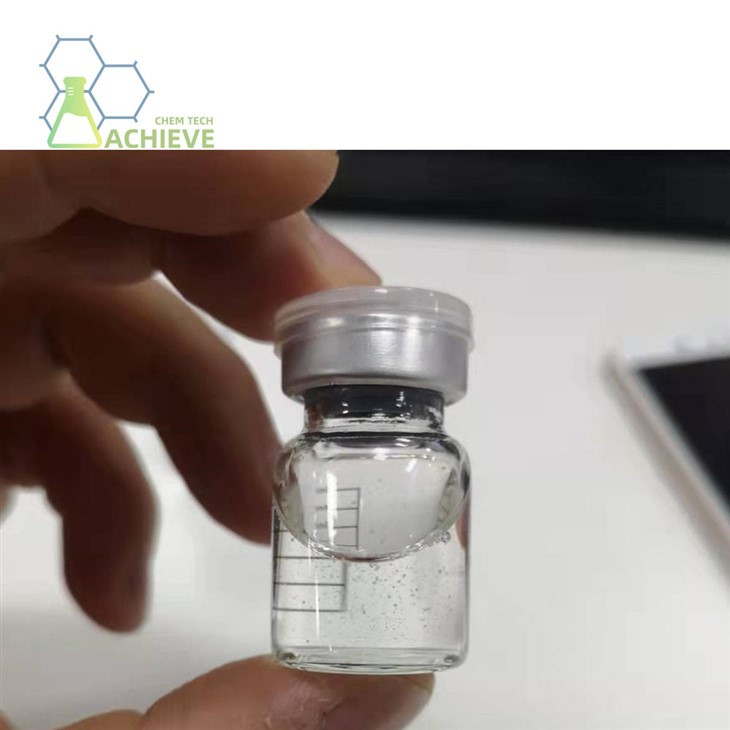
GS-441524 Fip
1.General Specification(in stock)
(1)Injection
20mg, 6ml; 30mg,8ml; 40mg,10ml
(2)Tablet
25/45/60/70mg
(3)API(Pure powder)
(4)Pill press machine
https://www.achievechem.com/pill-press
2.Customization:
We will negotiate individually, OEM/ODM, No brand, for secience researching only.
Internal Code: BM-1-001
GS-441524 CAS 1191237-69-0
Analysis: HPLC, LC-MS, HNMR
Technology support: R&D Dept.-4
We provide GS-441524 fip, please refer to the following website for detailed specifications and product information.
Product:https://www.bloomtechz.com/synthetic-chemical/api-researching-only/gs-441524-fip.html

How Does GS-441524 FIP Stop Feline Coronavirus Replication?
A special enzyme called RNA-dependent RNA polymerase helps the coronavirus that causes infectious peritonitis in cats copy its genetic material. GS-441524 fip works as a nucleoside analogue, which means that its molecular structure is very similar to the natural building blocks that viruses use to make new RNA strands. The replication process is slowed down when this analogue is added by the virus polymerase enzyme instead of the real nucleoside.


This clever use of molecular mimicking is a great way to treat viruses, because the virus stops itself from reproducing by thinking the medicinal agent is a real part.
Researchers have shown that this mechanism works very well because the viral enzyme can't tell the difference between the analogue and natural nucleosides. Once the analogue is added to the growing RNA chain, it stops it from getting longer. This stops the viral genome from being made. Because this interaction is very specific, GS-441524 fip focuses its activity where it's needed most: inside affected cells, where the virus copies itself.
This compound starts to work as a medicine when it gets into infected cells using nucleoside transport mechanisms. Endogenous enzymes change the molecule into its active triphosphate form inside the cell. This activation process is similar to how nucleosides are naturally broken down in cells. This lets the compound work with the same molecular paths that the virus uses to copy itself. It is important to change it to the triphosphate form because only this phosphorylated form can work with the viral polymerase enzyme.


Studies show that this compound is easily taken up and used by infected monocytes and macrophages, which are the main targets for the mutated coronavirus. The amount of concentration reached inside these cells is high enough to stop the virus from replicating without hurting the host cell too much. This helpful therapy window is what explains why cats that are treated with the right doses usually handle the medicine well and have a big drop in their viral load.
One of the best things about this antiviral method is that it only targets viral enzymes and not mammalian ones. Coronaviruses have an RNA-dependent RNA polymerase that is structurally different from the DNA and RNA polymerases that eukaryotic cells use for normal metabolic processes. GS-441524 fip takes advantage of these differences in structure, showing that viral polymerase prefers to incorporate it. This selectivity lowers the chance of interfering with important cellular functions, which adds to the compound's good safety profile.


Biochemical studies have been used to figure out how the analogue and viral polymerase interact at the molecular level. Furthermore, these studies show that virus enzymes are much better at binding and incorporating than host enzymes by large amounts. This different action gives a mechanism-based reason why therapeutic amounts can stop the virus from replicating without affecting many cells or having major negative effects on cats that are treated.

GS-441524 FIP and RNA Viral Synthesis Interruption Mechanism
A chain termination event happens when RNA-dependent RNA polymerase adds the analogue to a viral RNA strand that is growing. The structure of GS-441524 fip stops the addition of more nucleotides, unlike natural nucleosides, which allow the RNA molecule to keep growing. This ends the viral process, leaving it with unfinished, non-working RNA segments that can't help the virus put itself together or infect new cells. The sudden stop in RNA production is a very important point in the lifecycle of the virus.
How well chain termination works depends on how much of the activated compound is inside the cell and how fast viral RNA is being made. Clinical protocols that use regular dosing to keep therapeutic levels steady stop viral replication for a long time. When cats are treated according to known standards, their viral load usually drops quickly. This is accompanied by improvements in their clinical signs, such as a lower fever, a better appetite, and the disappearance of effusions.
Coronaviruses make both long genomic RNA and shorter subgenomic RNAs, which code for different viral proteins. GS-441524 fip stops the production of both types of RNA, which completely messes up the viral replication program. The genomic RNA acts as a blueprint for new virus particles, and the subgenomic RNAs tell the cell how to make structural and functional proteins. The chemical stops synthesis across this range, which means the virus can't do any part of its reproduction plan properly.
This broad-spectrum inhibition during the viral lifecycle is very helpful because it targets the pathogen at several weak spots. Even if some viral RNA synthesis gets through, the compound makes sure that there aren't enough fully functional viral parts building up to make new viruses that are infectious. The virus slowly dies off in an infected cat because of the cumulative effect. This lets the immune system take over and kill any leftover infected cells.
When an antiviral drug is present, it lowers the production of viral proteins at the same rate as viral RNA synthesis. These proteins, like the spike protein that lets cells in and the nucleocapsid protein that protects virus RNA, are hard to find. Even the small amount of viral RNA that does form can't form into infectious particles if there isn't enough protein translation. The overall therapeutic effect is increased by this protein deficiency, which stops replication in another way.
Veterinary doctors have noticed that as cats get better from their illness, inflammatory markers gradually return to normal. This is linked to a decrease in the presentation of viral antigens. Because viral protein production is going down, fewer viral peptides are able to cause the overactive immune system that is typical of feline infectious peritonitis. Even though it happens after the direct antiviral effect, this immunomodulatory benefit makes a big difference in the clinical improvement seen in animals that were treated.

What Blocks Viral Expansion Inside Cells With GS-441524 FIP?
The compound can get into the viral replication machinery at the most basic level because its structure is similar to adenosine. In infected cells, the amount of active analogue competes with natural nucleoside triphosphates to join the growing viral RNA. When therapeutic levels are kept, the competitive dynamics favour the analogue, which leads to preferential incorporation that stops the usual creation of virus RNA. This competition between molecules is one of the main ways that the viral population inside a cell can't grow.


Pharmacokinetic studies have shown that the right dose leads to levels inside cells that are much higher than the level needed to stop viral polymerase. Because of this concentration advantage, most tries to replicate the virus will meet the analogue, which will cause chain termination events to happen widely. The molecular blockade works so well that viral loads in the affected tissues drop significantly within days of treatment starting. This is objective proof that the compound is antiviral.
For each coronavirus particle to infect a new cell, it needs a full, correct copy of the viral genome. By stopping RNA synthesis too soon, GS-441524 fip stops the production of these full genome copies. When viral genomes aren't full, they can't tell the cell how to make viral proteins or act as templates for more replication. Because of this fundamental change, cells that are already infected can't make more viral particles. This keeps the infection in one place and stops it from spreading to other tissues.


Stopping the production of genomes also affects how viruses change and evolve. The virus can't make the genetic diversity that could lead to resistance mutations if it can't replicate properly. This part of the process helps explain why resistance to the compound doesn't seem to happen very often in clinical practice. This is in contrast to some antiviral drugs, where resistance shows quickly because the virus keeps copying itself while under selective pressure.

Intracellular Replication Suppression via GS-441524 FIP
In a single cell, viral replication usually happens through exponential amplification, where each round of RNA synthesis makes many copies that are used as starting points for the next round. This method of amplification helps viruses make a lot of copies very quickly. The antiviral drug stops the synthesis process at each repetition, which breaks these amplification loops. Even if the first round of viral RNA synthesis only partially works, the environment stays the same for the next rounds, which gradually lowers the amount of viral RNA in the cell.


Based on mathematical models of how viruses change during treatment, this repeated reduction should quickly wipe out viral populations. These predictions are supported by clinical observations, which show that cats that are treated right away after being diagnosed often get much better within the first week of treatment. The quick response shows that the compound can stop amplification cycles before they cause irreversible tissue damage. This shows how important it is to start treatment as soon as possible.
The best way to tell if an antiviral is working is by how many dangerous particles are released from affected cells. GS-441524 fip makes this happen by making sure that very few, if any, whole virus particles form inside cells that have been treated. The viral infection can't spread to healthy cells or stay alive in the host without making infectious offspring. This effect of containment lets the cat's immune system slowly get rid of infected cells without having to deal with new viruses all the time.


Virological tests on samples from treated cats show that the levels of infectious viruses are much lower than in controls that were not treated. These lab results provide numeric support for the clinical changes that vets have seen. Finding a link between lower viral titers and clinical recovery adds to our understanding of how stopping intracellular replication directly leads to therapeutic benefit.
The chemical indirectly keeps uninfected cells from becoming new targets by stopping the growth of viruses in cells that are already affected. Because there are fewer viruses in tissues, it is less likely that an uninfected cell will come into contact with an infectious particle. This protection action is especially important because it stops infections from getting to important organs like the brain, kidneys, and liver.


Another important thing that helps the outlook get better with treatment is keeping organs working by stopping more cellular infections.
Histopathological studies of tissues from cats that were treated show fewer newly infected cells than in cats that were not treated. The way viral antigens are spread across space shows that infections stay where they start and don't spread through tissues over time. For example, these observations at the tissue level show how stopping intracellular replication protects organ systems in a real way, connecting molecular processes to clinical outcomes.

GS-441524 FIP and Viral Lifecycle Inhibition Process
Targeting Early Replication Stages
+
-
Viruses enter cells, uncoat, replicate, assemble, and release. During RNA replication, GS-441524 fip has the greatest impact. Early intervention can prevent further progression. If they can't duplicate their DNA, viruses can't produce new particles or infect other cells. Targeting replication rather than later phases may block the infectious process.
When therapy begins, the virus lifecycle influences its effectiveness. Early treatment, before the infection spreads, frequently improves cat's health. By inhibiting viral reproduction, the drug prevents tissue harm but can't repair it. Early detection and prompt treatment boost therapeutic success by terminating the viral lifecycle while maintaining organ function.
Long-Term Viral Suppression
+
-
Long-term antiviral treatment prevents virus replication for weeks or months. This long-lasting management is important because the virus might remain in cell reserves after the viral load is reduced. Longer treatments prevent residual viruses from causing infections. Treatment normally lasts 12 weeks to several months, depending on illness severity and patient response.
Monitoring cats following treatment demonstrates that viral RNA levels steadily diminish and are frequently no longer detectable by sensitive assays. Clinical markers, including effusions, acute phase proteins, and weight gain, improve with this reduction in viral activity. The relationship between long-term viral decrease and clinical improvement supports lifecycle inhibition therapy.
Integration with Immune Clearance
+
-
GS-441524 fip immediately blocks viral replication; the infection must be removed. The chemical prevents viruses from multiplying too fast for the immune system. This allows humoral and cellular immunity to progressively destroy infected cells. This combination of virus-blocking medications and the immune system's capacity to eliminate them is perfect for treating infectious diseases: the drug suppresses the invader while the immune system eliminates it permanently.
As viral loads diminish, lymphocyte function improves, and cytokine profiles return to baseline in treated cats. When feline infectious peritonitis subsides, normal immune control might be restored. In properly treated instances, therapeutic responses continue lengthy because immunological recovery eliminates the infection and prevents it from returning.
Conclusion
A scientifically solid technique to treat bacterial peritonitis in cats is with GS-441524 fip, which prevents viral development. This chemical prevents coronavirus infection by targeting RNA-dependent RNA polymerase. The chain termination mechanism and ability to target viral enzymes instead of host enzymes provide for safe, efficient antiviral action. Recent clinical evidence shows that cats treated with the correct procedures have survival rates that were unthinkable before this therapy option.
Knowing the molecular intricacies of preventing viral replication helps veterinarians and pet owners understand why treatment strategies need precise dose schedules and durations. The chemical must be taken at stable therapeutic doses to end viral cycles and prevent recurrence. If the drug is delivered according to evidence-based criteria, cats with a terminal condition have hope. Mechanism-based antiviral treatment stops viruses at a crucial stage, as shown by the prognosis change.
FAQ
1. What makes GS-441524 fip effective against feline coronavirus specifically?
+
-
The compound works because it selectively stops the RNA-dependent RNA polymerase enzyme that coronaviruses need to copy themselves. This viral enzyme is structurally different from mammalian polymerases, which lets it target specific cells more effectively. The compound's nucleoside analogue structure lets it fit into viral RNA synthesis pathways while not getting in the way of normal cellular processes too much. Because it is selective, it creates a good treatment window where virus replication can be stopped without hurting host cells too much.
2. How long does viral replication suppression need to continue for successful treatment?
+
-
In order for treatment to work, the virus's growth must be stopped for at least 12 weeks, though longer treatment times are often better. The longer timeline is because viral stores need to be completely depleted so that all infected cells can be killed by the defence system. If you only get short-term treatment, the virus may come back after the treatment is over because there may still be some virus left over. Veterinary advice based on how each patient responds helps figure out the best length of treatment for each case.
3. Can the virus develop resistance to this replication inhibition mechanism?
+
-
There are theoretical pathways for resistance, but actual resistance doesn't seem to happen very often when treatment plans are followed correctly. The compound goes after a part of the viral polymerase that is very stable and can handle small changes without losing its ability to work as an enzyme. Changes that could make a virus resistant usually make it much less fit, which makes resistant versions less likely to survive. When you give the right dose, you can keep the concentrations inside cells high. This lowers the selective pressure that could favour mutants that are resistant. Resistance is less likely to appear when people follow set rules.

Partner With a Trusted GS-441524 FIP Supplier: BLOOM TECH
Veterinary professionals and pharmaceutical organizations seeking reliable GS-441524 fip supplier partnerships will find that BLOOM TECH offers comprehensive advantages for sourcing this critical antiviral compound. Our GMP-certified production facilities spanning 100,000 square meters meet US, EU, JP, and CFDA regulatory standards, ensuring pharmaceutical-grade quality with documented compliance. We provide complete analytical documentation, including HPLC and mass spectrometry data, supporting regulatory submissions and quality assurance requirements. With over 12 years of expertise in organic synthesis and pharmaceutical intermediates, our technical team delivers consistent batch quality and scalability from research quantities to bulk manufacturing. Our one-stop service model includes regulatory guidance, supply chain stability, and competitive pricing structures designed for long-term partnerships. Quality assurance undergoes triple verification through factory testing, our QA/QC department, and third-party authority agencies, with full refund guarantees for any non-conforming products.
Whether you represent a pharmaceutical company requiring bulk API supply, a research organization needing research-grade materials, or a CDMO serving veterinary medicine clients, BLOOM TECH delivers the quality, reliability, and support essential for successful GS-441524 formulation and distribution programs. Contact our team at Sales@bloomtechz.com to discuss your specific requirements and discover how our integrated capabilities can strengthen your supply chain for this life-saving feline therapeutic agent.
References
1. Pedersen NC, Perron M, Bannasch M, Montgomery E, Murakami E, Liepnieks M, Liu H. Efficacy and safety of the nucleoside analog GS-441524 for treatment of cats with naturally occurring feline infectious peritonitis. Journal of Feline Medicine and Surgery. 2019;21(4):271-281.
2. Murphy BG, Perron M, Murakami E, Bauer K, Park Y, Eckstrand C, Liepnieks M, Pedersen NC. The nucleoside analog GS-441524 strongly inhibits feline infectious peritonitis virus in tissue culture and experimental cat infection studies. Veterinary Microbiology. 2018;219:226-233.
3. Dickinson PJ, Bannasch M, Thomasy SM, Murthy VD, Vernau KM, Liepnieks M, Montgomery E, Knickelbein KE, Murphy B, Pedersen NC. Antiviral treatment using the adenosine nucleoside analogue GS-441524 in cats with clinically diagnosed neurological feline infectious peritonitis. Journal of Veterinary Internal Medicine. 2020;34(4):1587-1593.
4. Jones S, Novicoff W, Nadeau J, Evans S. Unlicensed GS-441524-like antiviral therapy can be effective for at-home treatment of feline infectious peritonitis. Animals. 2021;11(8):2257.
5. Krentz D, Zenger K, Alberer M, Felten S, Bergmann M, Dorsch R, Matiasek K, Kolberg L, Hofmann-Lehmann R, Meli ML, Straubinger RK, Hartmann K. Curing cats with feline infectious peritonitis with an oral multi-component drug containing GS-441524. Viruses. 2021;13(11):2228.
6. Addie D, Belák S, Boucraut-Baralon C, Egberink H, Frymus T, Gruffydd-Jones T, Hartmann K, Hosie MJ, Lloret A, Lutz H, Marsilio F, Pennisi MG, Radford AD, Thiry E, Truyen U, Horzinek MC. Feline infectious peritonitis: ABCD guidelines on prevention and management. Journal of Feline Medicine and Surgery. 2009;11(7):594-604.