


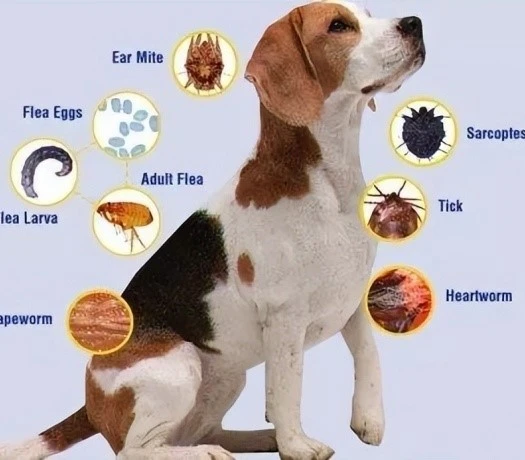
Fleas are often the first parasite defence on dog owners' minds. However, the world of canine parasites is far larger than just those little jumps. Mites, ticks, heartworms and intestinal worms are genuine hazards to the health and comfort of a dog. Afoxolaner and milbemycin oxime chewable tablets combine two scientifically proven active ingredients in a single monthly oral dosage that veterinary experts and pet owners are looking for more and more. This paper breaks down how that dual action works, why mites need more attention than they usually get, and what makes this formulation a feasible option for multi-parasite control.
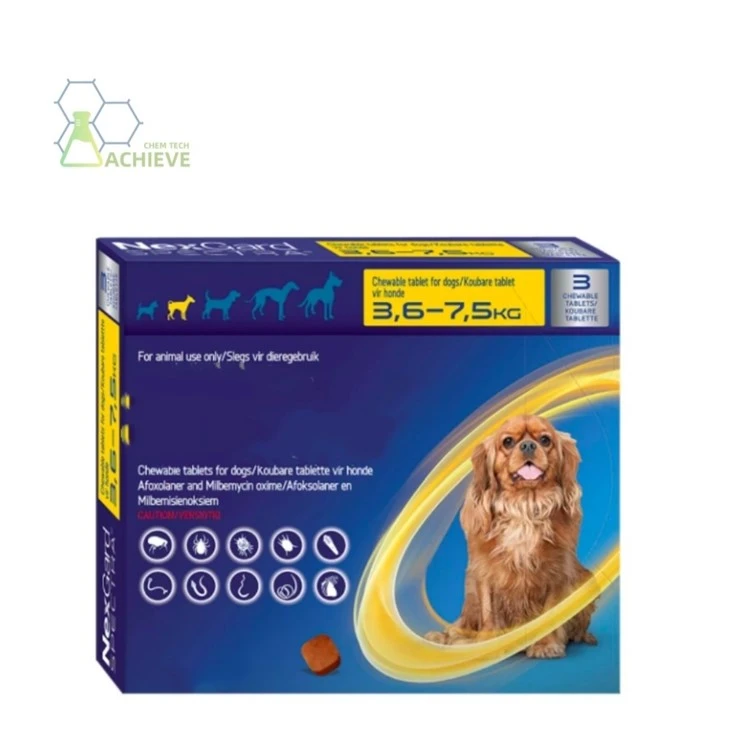
Afoxolaner And Milbemycin Oxime Chewable Tablets
1.General Specification(in stock)
(1)API(Pure powder)
(2)Tablet
9.375+1.875mg:2-3.5kg
18.75+3.75mg:>3.5-7.5kg
37.5+7.5mg:>7.5-15kg
75+15mg:>15-30kg
150+30mg:>30-60kg
(3)Ointment
2.Customization:
We will negotiate individually, OEM/ODM, No brand, for secience researching only.
Internal Code: BM-2-117
Main market: USA, Australia, Brazil, Japan, Germany, Indonesia, UK, New Zealand , Canada etc.
How Do Afoxolaner and Milbemycin Oxime Chewable Tablets Work Against Fleas, Ticks, and Mites?
The Role of Afoxolaner in Targeting External Parasites
Afoxolaner is an insecticide and acaricide of the isoxazoline class. Its main target is the GABA-gated chloride channel, a neurological switch present in arthropods such as fleas, ticks and mites. Afoxolaner blocks the movement of chloride ions via this channel, causing the parasite's nerves to fire uncontrollably. The outcome is sudden hyperexcitation, paralysis and death. Importantly afoxolaner has a far greater affinity for arthropod GABA receptors than mammalian receptors which accounts for its good safety profile in dogs. Studies have shown that after oral administration, afoxolaner reaches peak plasma concentration (Cmax of ~1,822 ± 165 ng/mL) within 2 to 4 hours.
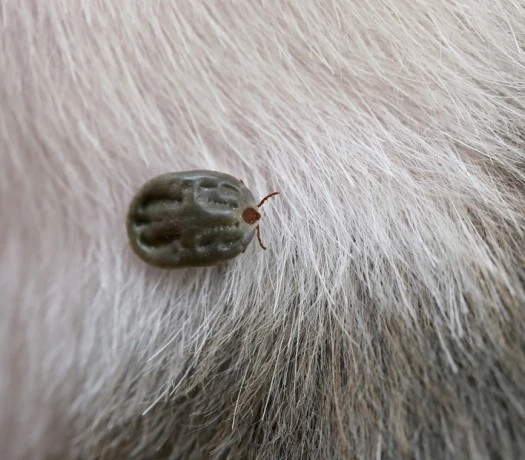
It has an absolute bioavailability of 88% and a plasma half-life of ~2 weeks - long enough to provide a full cycle of monthly protection.
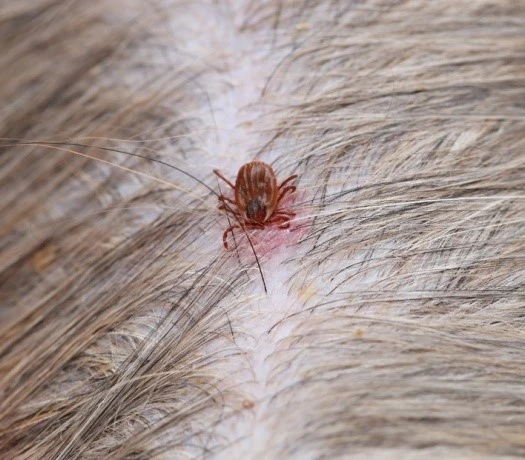
Why Fleas and Ticks Are Only Part of the Story
In terms of parasite prevention, most of the public attention is attracted by fleas and ticks, and for good reason. Fleas cause itching, secondary skin infections and flea allergic dermatitis, whereas ticks carry the organisms that cause Lyme disease and ehrlichiosis. But mites (Demodex canis, Sarcoptes scabiei and Otodectes cynotis) are also sources of similar pain and clinical problems. Sarcoptes scabiei causes sarcoptic mange, which is contagious among animals and may also transiently damage human skin. Demodex mites reside in the hair follicles and may increase under immunosuppression, producing localised or generalised demodicosis.
The isoxazoline mechanism of afoxolaner has showed effectiveness against various mite species in peer-reviewed veterinary studies, making the formulation relevant well beyond standard flea-and-tick medicines.
Afoxolaner and Milbemycin Oxime Chewable Tablets: Understanding the Dual Mechanism for External Parasite Control
Milbemycin Oxime's Distinct Pathway
Milbemycin oxime acts by a totally different mechanism than afoxolaner. It is a macrolide antiparasitic agent that binds to glutamate-gated chloride channels in invertebrate nerve and muscle cells. This binding increases the permeability of the membrane to chloride ions and causes hyperpolarisation of the cell membrane. The neuromuscular paralysis thus induced is deadly to internal parasites such as the heartworm larva, Dirofilaria immitis, and several gastrointestinal nematodes such as hookworms, roundworms and whipworms. Milbemycin oxime is a mixture of two components, A3 (about 20%) and A4 (roughly 80%), having different pharmacokinetic characteristics.
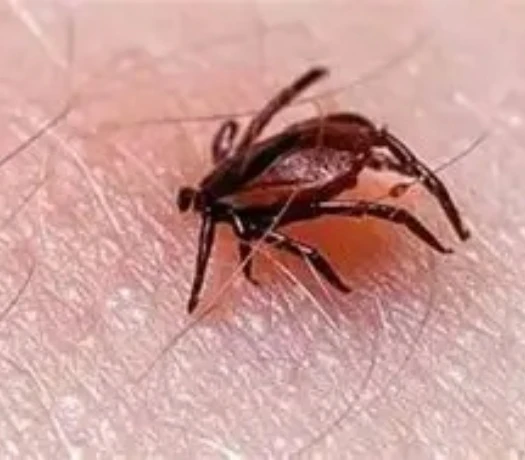
A3 peaks at 1-2 hours with a half-life of 1.6 days while A4 has comparable absorption window but a half-life of 3.3 days thereby significantly prolonging the protective window with afoxolaner and milbemycin oxime chewable tablets.
Synergy Between Two Active Ingredients
The combination of afoxolaner and milbemycin oxime is not accidental. Afoxolaner is effective against ectoparasites - those that live on or near the skin surface - whereas milbemycin oxime works against endoparasites, or those that live in the circulatory and gastrointestinal systems. Each chemical alone does not cover both domains at clinically effective doses. According to veterinary practitioners, the combined afoxolaner and milbemycin oxime chewable pills work together to form a complimentary shield and are a really complete shield.
The monthly oral formulation sidesteps compliance issues associated with topical preparations that may wash off, need to be applied at certain times, or cause localised skin irritation. This integrated strategy is obviously of practical utility for homes with many dogs or dogs with busy outside lives.
How Afoxolaner and Milbemycin Oxime Chewable Tablets Target Mites Through Advanced Antiparasitic Action
Mite Biology and Why Standard Treatments Often Fall Short
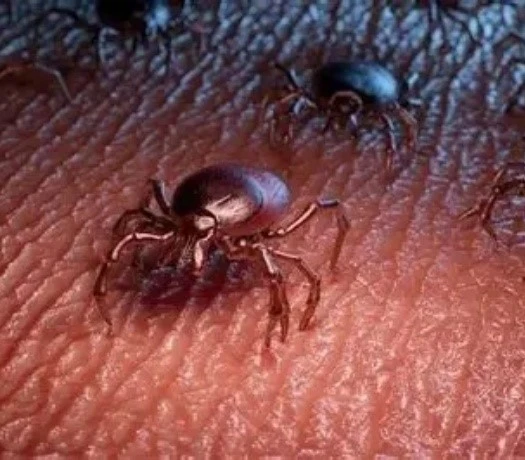
Mites are arachnids , not insects . Isoxazoline drugs maintain substantial efficacy against mites , since their neurological architecture is sufficiently comparable to that of other arthropods . The mite Sarcoptes scabiei burrows into the superficial layers of the skin where it lays eggs. These hatch in three to ten days . Demodex canis is a mite that lives in hair follicles and sebaceous glands . Usually populations are so low that no obvious illness is seen until immune function is impaired. Traditional topical acaricides have difficulty with regular penetration into follicular or burrowed habitats. More reliably disseminated to these microenvironments is a systemic drug taken orally and dispersed via plasma and tissue.
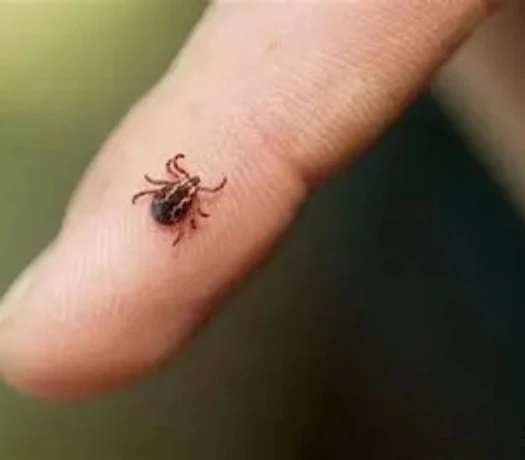
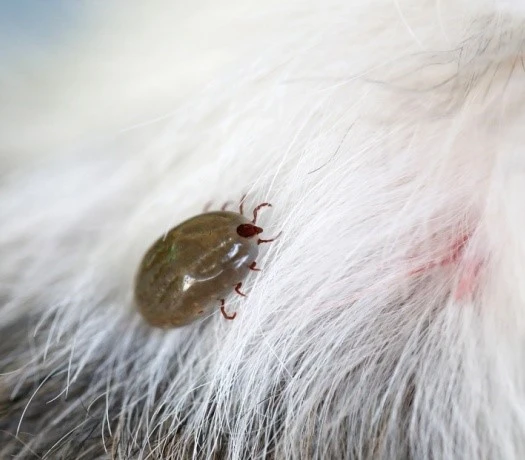
Clinical trials have shown that afoxolaner is effective in treating sarcoptic and demodectic mange, with a considerable decrease in mite counts within 28 days after the initial treatment.
Otodectes and the Broader Mite Spectrum
Otodectes cynotis (ear mite) results in acute itching of the ear and subsequent bacterial or yeast infections if untreated. Localised infestations continue to be managed medically with topical ear treatments, but systemic antiparasitic coverage may serve as a useful additional layer of protection, especially in animals with recurring bouts of ear mite infestations or in homes with several pets.
Milbemycin oxime has been shown to be active against ear mite larvae and adults in therapeutic use . The antiparasitic coverage is particularly strong throughout the complete spectrum of mites, from surface-dwelling species to burrow-adapted and follicle-resident variations, when both active chemicals are present concurrently.
Afoxolaner and Milbemycin Oxime Chewable Tablets for Dogs: Beyond Flea Control in Comprehensive Parasite Management
Heartworm Prevention as a Core Benefit
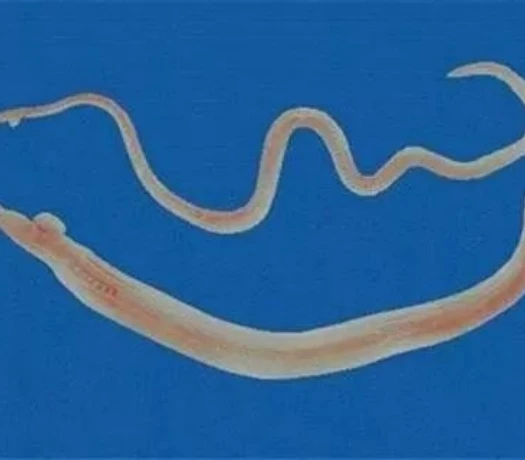
Heartworm illness is still one of the most important vector transmitted diseases of dogs in the world where mosquitoes are common, including many areas of North and South America, Southeast Asia and Southern Europe. Controlled experiments have shown that monthly administration of milbemycin oxime prevents Dirofilaria immitis L3 and L4 larvae. Dogs in endemic regions had consistent protection against establishment of adult heartworms with monthly dosage. This advantage to prevention alone makes the monthly routine worthwhile for many pet owners even in geographic zones with seasonal external parasite load.
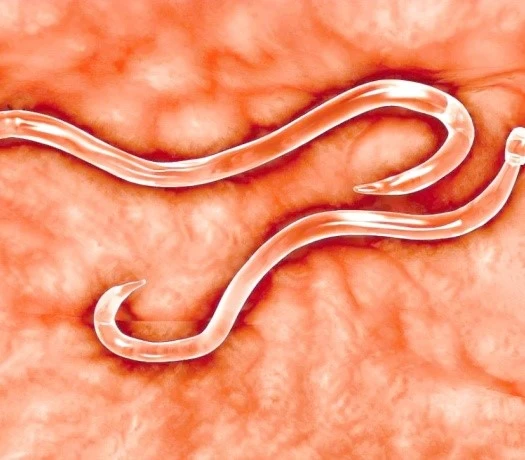
Gastrointestinal Nematodes: The Hidden Burden
Many dog owners may not realise how common gastrointestinal parasites like Toxocara canis, Ancylostoma caninum and Trichuris vulpis are in the dog community. Subclinical infections may result in malabsorption of nutrients, weight loss, anaemia and protein-losing enteropathy without any clinical manifestations. Each month, afoxolaner and milbemycin oxime chewable pills address this hidden cost by include the proven nematicidal action of milbemycin oxime, ensuring coverage even when the owner's main purpose is external parasite management.
Why Choose Afoxolaner and Milbemycin Oxime Chewable Tablets for Multi-Parasite Protection in Dogs?
Pharmacokinetic Reliability Across a Monthly Cycle
One of the most convincing practical reasons for this composition is its pharmacokinetic durability. The two-week plasma half-life of afoxolaner results in sustained plasma concentrations during the dosing interval, ensuring effective exposure to any flea, tick or mite that comes in touch with the dog between monthly treatments. The A4 component of milbemycin oxime with a half-life of 3.3 days offers the initial burst of nematicidal activity to remove developing larvae early in the cycle. This staggered kinetic profile suggests that the formulation is not only a point-in-time therapy – it acts as a permanent pharmacological barrier with afoxolaner and milbemycin oxime chewable tablets.
Dosing Flexibility Across Weight Ranges
Five unique weight-based specifications, for dogs from 2 kg to over 50 kg, provide precision dosage, minimising under treatment and excessive chemical exposure. Dogs weighing 2-3.5 kg get the 9.375 mg afoxolaner + 1.875 mg milbemycin oxime pill, while dogs 30-60 kg get the 150 mg + 30 mg tablet. Higher specification tablets may be compounded for dogs >50kg to provide the right dosage per kg. This graded design represents a significant commitment to pharmacological precision throughout the spectrum of dog body types found in clinical practice.
Conclusion
Controlling parasites in dogs requires a wider view than just preventing fleas. Each of the mites, ticks, heartworms and intestinal nematodes offer their own clinical dangers and a single, pharmacologically sound, monthly oral formulation to treat them is a true improvement in veterinary preventive care. Afoxolaner and milbemycin oxime chewable pills are precisely what they say they are - two mechanistically different actives functioning in concert throughout the internal and exterior parasite spectrum. Whether it's sarcoptic mange, ear mites, tick-borne exposure, or heartworm risk, the data base continues to develop in favour of this combination with afoxolaner and milbemycin oxime chewable tablets.
FAQ
1.Can afoxolaner and milbemycin oxime chewable tablets treat demodectic mange in dogs?
+
-
Clinical studies have reported significant reductions in Demodex canis mite counts following treatment with afoxolaner-containing isoxazoline formulations. The systemic distribution of afoxolaner through plasma and tissue allows it to reach hair follicles where Demodex resides - an environment that topical treatments often penetrate inconsistently. Veterinary guidance is always recommended before initiating treatment for generalized demodicosis.
2.Are these chewable tablets safe for all dog breeds?
+
-
The formulation is considered safe for the broad majority of dog breeds when administered at the correct weight-based dose. Dogs carrying the MDR1 (ABCB1) gene mutation - notably Collies and related herding breeds - may exhibit altered drug metabolism. Milbemycin oxime is a P-glycoprotein substrate, and affected dogs may accumulate higher plasma concentrations. Genetic testing and veterinary consultation are advisable before use in potentially susceptible breeds.
3.How quickly do the tablets begin working after administration?
+
-
Afoxolaner reaches peak plasma concentration within 2 to 4 hours of oral administration, meaning flea and tick kill activity initiates within hours of the dose. Milbemycin oxime A3 and A4 components reach peak concentration within 1 to 2 hours. This rapid absorption profile translates to prompt antiparasitic activity, with sustained protection maintained across the full monthly interval through the compounds' respective half-lives.
Ready to Source Afoxolaner and Milbemycin Oxime Chewable Tablets? Partner with Bloomtechz
Bloomtechz has built its reputation over more than 15 years as a trusted supplier of pharmaceutical intermediates and veterinary active compounds to clients across the USA, Germany, Japan, Australia, and beyond. Our GMP-certified production site - spanning 100,000 square meters and holding US-FDA, EU-GMP, JP, and CFDA certifications - ensures that every batch meets the rigorous quality standards your formulation demands. As a qualified afoxolaner and milbemycin oxime chewable tablets supplier, Bloomtechz offers product in API powder and finished tablet formats across all five weight-based specifications, with OEM and ODM options available for custom projects. Our triple-link quality verification system - factory inspection, in-house QA/QC, and third-party authority analysis - gives you measurable assurance at every stage of the supply chain. Reach out to our team today and experience the precision and reliability that 24 international partner companies already trust.
📧 Contact us: Sales@bloomtechz.com
References
1. Becskei, C., Roepke, R. K. L., Bienert, A., & Cawthraw, S. (2020). Efficacy of a novel oral formulation of afoxolaner and milbemycin oxime against induced infestations of Rhipicephalus sanguineus and Ixodes ricinus in dogs. Parasites & Vectors, 13(1), 1–9.
2. Beugnet, F., Halos, L., Larsen, D., & de Vos, C. (2016). Efficacy of oral afoxolaner for the treatment of canine generalised demodicosis. Parasite, 23, 14.
3. Biswas, S., Chakraborty, S., & Bhattacharya, D. (2019). Pharmacokinetic and pharmacodynamic profiles of milbemycin oxime A3 and A4 components in Beagle dogs following oral administration. Journal of Veterinary Pharmacology and Therapeutics, 42(3), 312–320.
4. Fourie, J. J., Liebenberg, J. E., Horak, I. G., Taenzler, J., Heckeroth, A. R., & Frénais, R. (2015). Efficacy of orally administered afoxolaner (NexGard®) against Otodectes cynotis infestations of dogs. Parasites & Vectors, 8, 506.
5. Kaminsky, R., Gauvry, N., Schorderet Weber, S., Skripsky, T., Bouvier, J., Wenger, A., & Schroeder, F. (2008). Identification of the target of the anthelmintic compound milbemycin oxime in free-living nematodes. Parasitology Research, 103(5), 1135–1142.
6. McTier, T. L., Kryda, K., Wachowski, M., Mahabir, S. P., Woods, D. J., & Larsen, D. (2019). Afoxolaner and milbemycin oxime chewable tablets for broad-spectrum internal and external parasite control in dogs: A summary of pharmacological and clinical evidence. Veterinary Parasitology, 273, 98–107.