


When veterinarians and pet owners reach for a reliable antiparasitic solution, milbemycin oxime tablets consistently appear at the top of the list. But what actually makes this compound so effective against a wide range of internal and external parasites? The answer lies in something surprisingly precise - a single functional group called the oxime. Understanding how this molecular feature works helps explain why milbemycin oxime tablets deliver such consistent, broad-spectrum antiparasitic performance in dogs and cats worldwide.
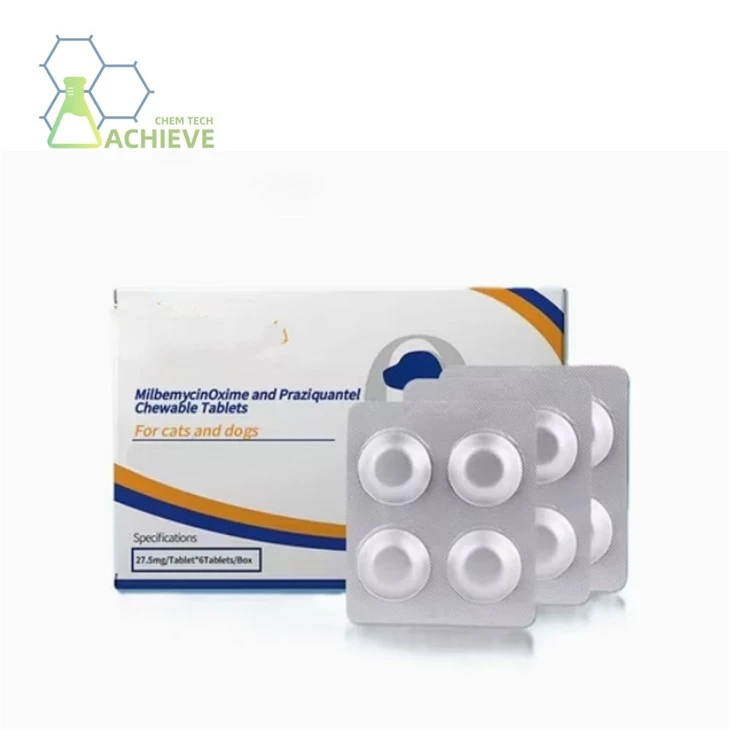
Milbemycin Oxime Tablets
1.General Specification(in stock)
(1)API(Pure powder)
(2)Tablets
For dogs:2.3mg/5.75mg/11.5mg/23.0mg
For cats: 5.75mg/11.5mg/23.0mg
2.Customization:
We will negotiate individually, OEM/ODM, No brand, for secience researching only.
Internal Code: BM-2-067
Milbemycin oxime CAS 129496-10-2
Main market: USA, Australia, Brazil, Japan, Germany, Indonesia, UK, New Zealand , Canada etc.
Manufacturer: BLOOM TECH Xi'an Factory
How Does the Oxime Structure Shape Milbemycin Oxime Tablets Activity?
The Chemistry Behind the Oxime Group
The oxime functional group (C=N–OH) is not just an appendage for decoration on the milbemycin scaffold. It has to do with the way the chemical connects to its cellular target. Milbemycin oxime has a structure with 16 membered macrocyclic lactone ring and belongs to the family of macrolide antibiotic compounds. The introduction of an oxime group to a particular position on the milbemycin A3/A4 backbone alters the three-dimensional structure of the molecule, allowing it to fit better into receptor binding sites on parasite nerve cells.
Studies in parasitology and pharmacology reveal that oxime modification increases the binding capacity of the medicine in comparison with the parent molecule.
The structure is not accurate by accident. It is achieved via controlled oxidation operations at low temperatures using sodium acetate as a selective catalyst.
Bioavailability and Lipophilicity Advantages
The presence of the oxime group is also responsible for the lipophilicity of the molecule which directly affects the transcellular passage. Hydrophilic substances have trouble reaching parasites that dwell in the digestive system or that travel through the bloodstream as larvae. Semi-lipophilic milbemycin oxime easily passes through cell walls and reaches the nervous tissue of parasites.
Data from pharmacokinetic parameters studied in cats indicate that milbemycin oxime achieves therapeutic plasma concentrations shortly after oral administration.
The oxime group is necessary to expand the membrane permeability and enable the medicine to travel swiftly throughout the body. This is a direct consequence of the molecular design.
Milbemycin Oxime Tablets and the Molecular Features Behind Parasite Targeting
Selectivity Over Mammalian Systems
One essential point about the milbemycin oxime tablets used in medicine is that they have more effect on the parasites than on the host animal. This specificity is due to a basic variation in the architecture of the neurological system. In mammals, the blood-brain barrier presents a major obstacle to macrolide chemicals, like milbemycin oxime, entering the brain and spinal cord. But parasites don't have this protection, so they are widely exposed to the molecule's effects on the neurological system.
In crustaceans, the organization of the gamma-aminobutyric acid (GABA) receptor system is also distinct from that in mammals.
The chemical milbemycin oxime acts on glutamate-gated chloride channels (GluCl channels), which are present exclusively in invertebrates.
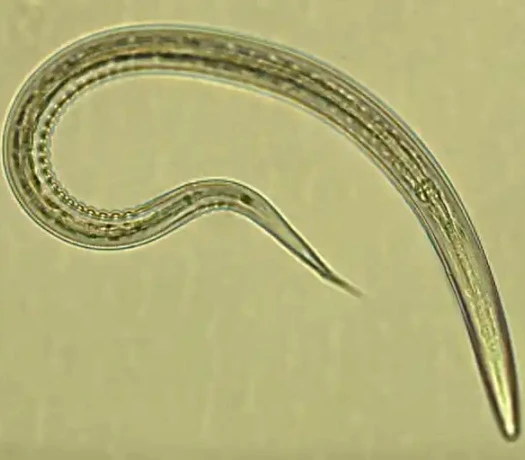
This exact targeting at the molecular scale is what makes the chemical so successful at eradicating parasites at dosages safe for dogs and cats.
Spectrum of Parasitic Coverage
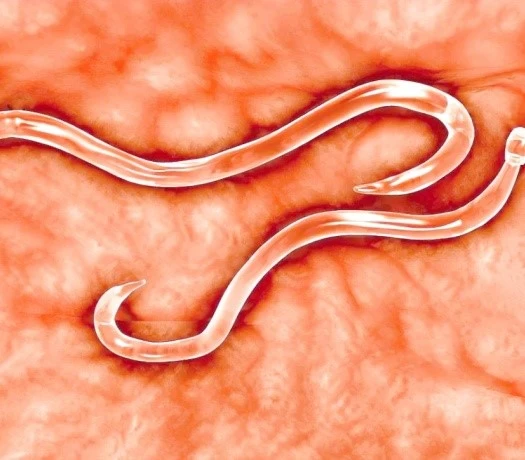
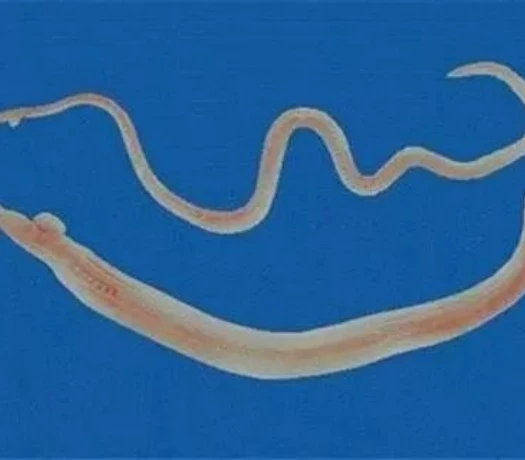
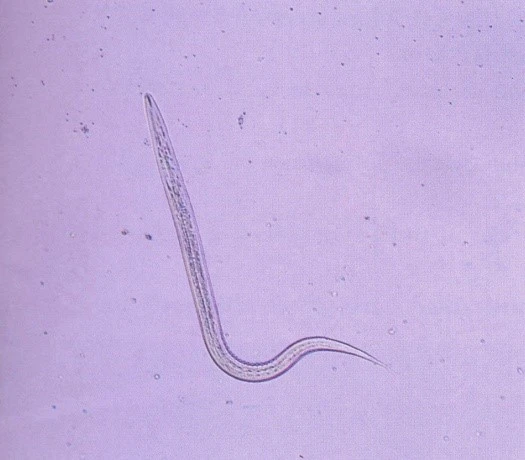
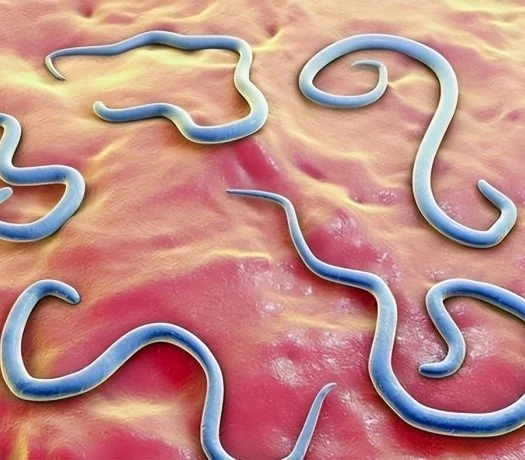
The molecular targeting power of milbemycin oxime covers a wide range of parasite species. It works against heartworm larvae (Dirofilaria immitis), hookworms (Ancylostoma caninum), roundworms (Toxocara canis), and whipworms (Trichuris vulpis), according to clinical data from veterinary applications. For normal neuromuscular action, all of these animals need chloride channels to work properly. When milbemycin oxime stops this function from working, the parasite quickly loses the ability to move its muscles and dies.
Milbemycin oxime tablets are a good choice for monthly preventive plans for dogs that live in areas where the disease is common in the USA, Australia, Japan, Germany, Brazil, and other places.
Why Do Milbemycin Oxime Tablets Interact With Parasite Chloride Channels?
The Chloride Channel Mechanism Explained
Animals employ glutamate-gated chloride channels to regulate the passage of chloride ions across the membrane of nerve cells. In a healthy body, neurotransmitter signals open and shut these channels, which govern when muscles contract and relax. Milbemycin oxime binds to these channels and keeps them open, trapping them in an open state from which they can not escape. This results in a continuous influx of chloride ions that charges the membrane of the nerve cell too much. This prohibits the parasite from transmitting the electrical impulses that muscles require to move.
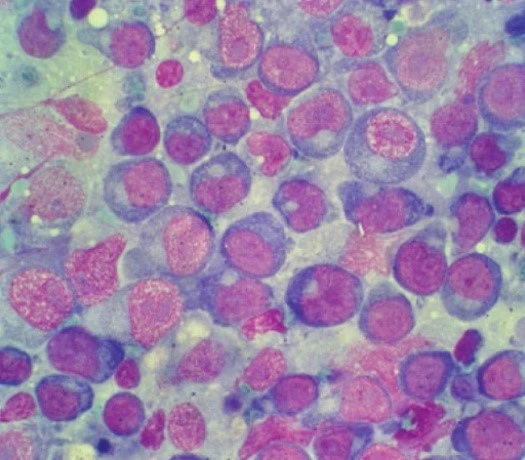
The effect is a complete paralysis of the nerves and muscles. The parasite cannot feed itself, cannot travel, cannot generate other parasites.The parasite gets eliminated from the body without any contribution from the host's defensive system. This is how the milbemycin family of chemicals works. A lot of investigation on invertebrate neuropharmacology has shown this. This means they operate mostly by binding to GluCl channels.
From Molecular Structure to Neuromuscular Disruption in Parasites
How the 16-Membered Lactone Ring Contributes
The macrocyclic lactone ring supports the structure and makes sure that the oxime group and other functional parts are in the right place for receptor binding. Without the whole ring structure, the molecule loses its ability to hold its shape, and binding becomes much less effective. To make milbemycin oxime tablets, this ring has to be carefully kept intact during the many-step chemical process, which includes the oximation and purification steps.
Bloomtechz's Xi'an GMP facility uses strict temperature controls (0–5°C during oxymethylation) and pH management (8–9) to keep the integrity of the rings safe during production.
The final active pharmaceutical ingredient meets purity standards of 98.0% to 102.0% content by HPLC analysis after being checked analytically using HPLC, LC-MS, and 1H NMR methods.
Downstream Consequences for Parasite Physiology
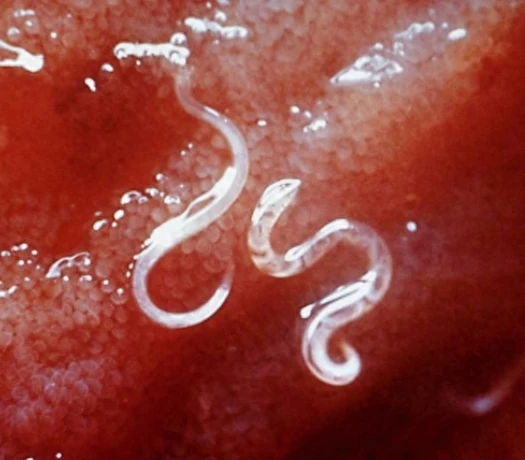
When muscle paralysis happens, the parasite's body starts to fail in a series of ways. The body's energy system breaks down when it can't control ion gradients anymore. The cycles of reproduction stop. Larvae don't grow up to be adults that can cause disease in people. This is very important for heartworm prevention because stopping larval development before the L3/L4 molt stage stops the infection from progressing to adulthood, which is much harder to treat.
How Milbemycin Oxime Tablets Translate Molecular Activity Into Antiparasitic Action
From API to Finished Tablet
There are several carefully checked pharmaceutical manufacturing steps that go into making a chewy tablet from pure milbemycin oxime powder. The API is mixed with microcrystalline cellulose and PVP-based binders during wet granulation to get uniform content with an RSD of less than 5%. Fluidized bed coating adds an HPMC film layer that hides the sharpness and makes the food taste better, which is useful when the end user is a dog or cat that might not want to take the medicine.
As long as the tablet's hardness stays between 50 and 100 N and its disintegration time stays within 15 minutes, the active compound will consistently be released in the digestive tract.
This will allow for consistent absorption and therapeutic action.
Clinical Reliability in Real-World Applications
Veterinary clinical tests have shown that giving milbemycin oxime pills by mouth once a month keeps plasma concentrations high enough to kill heartworms that are sensitive during the whole time between doses. Field success statistics from areas where Dirofilaria immitis is common in the US, Australia, and Japan show a prevention rate of over 99% against this parasite when used regularly.
The same treatment plan treats intestinal nematode loads at the same time, so all parasites are taken care of in a single monthly dose. This two-action profile-prevention and treatment at the same time-shows how molecular accuracy at the oxime level leads to observable clinical results.
Conclusion
The oxime functional group is an important part of chemistry. It has a big impact on how milbemycin oxime works with parasite nervous systems, how bioavailable it is, and how well it kills a wide range of parasites, making it an important substance for controlling parasites in pets. Milbemycin oxime tablets are made using careful molecular engineering that is based on decades of research into how to get rid of parasites. They start out as synthetic materials made from Streptomyces and end up as a tasty tablet.
FAQ
Q1: Milbemycin oxime pills work against both heartworms and intestinal parasites. What makes them work?
+
-
Milbemycin oxime works on glutamate-gated chloride channels that are only found in insects and other animals. This mechanism affects the neuromuscular function of many parasite species, such as heartworm larvae and intestinal nematodes like hookworms, roundworms, and whipworms. This means that a single monthly dose can treat and prevent the parasites at the same time.
Q2: Is the oxime group in milbemycin oxime pills what makes it selective for pets?
+
-
Yes. The oxime modification makes it easier for the drug to connect to GluCl channels that are special to invertebrates. However, in dogs and cats, the blood-brain barrier prevents CNS exposure. The chemical is safe for pets at therapeutic amounts because it selectively targets specific receptors and protects against damage through bodily barriers.
Q3: How is the purity of milbemycin oxime API checked while it is being made?
+
-
Several analytical methods are used to check for purity. These include HPLC (C18 column, acetonitrile-water mobile phase, measurement at 245 nm), LC-MS for structure confirmation, and HNMR for molecular identity confirmation. There should be no more than 102.0% impurities (single or overall), and the quantity should be between 98.0% and 102.0%.
Purity verification relies on multiple analytical methods including HPLC (C18 column, acetonitrile-water mobile phase, detection at 245 nm), LC-MS for structural confirmation, and HNMR for molecular identity verification. Accepted content range is 98.0%–102.0%, with single impurities held at or below 0.5% and total impurities at or below 1.0%.
Partner With Bloomtechz - Your Trusted Milbemycin Oxime Tablets Supplier
Bloomtechz has been working with organic synthesis for more than 12 years and has a GMP-certified factory that has been inspected by the US-FDA, CFDA, PMDA, and BGV-Hamburg, Germany. Bloomtechz is an approved seller of milbemycin oxime tablets. They offer finished tablet formulations for dogs and cats in a range of dosages, along with APIs that are guaranteed to be 98.0% to 102.0% pure. Our quality control system has three links: workplace inspection, in-house QA/QC, and analysis by a third-party authority agency. This system makes sure that every package meets the standards you expect. Bloomtechz has the technical know-how and legal authority to help your business, whether you need bulk API powder, ready-to-ship tablets, or a fully customized OEM/ODM solution.
Get in touch with us right away, and our R&D and sales teams will give you accurate prices, lead times, and all the paperwork you need for customs clearance. Send your question to Sales@bloomtechz.com.
References
1. Shoop, W. L., Mrozik, H., & Fisher, M. H. (1995). Structure and activity of avermectins and milbemycins in animal health. Veterinary Parasitology, 59(2), 139–156.
2. Geary, T. G., Sims, S. M., Thomas, E. M., Vanover, L., Davis, J. P., Winterrowd, C. A., Klein, R. D., Ho, N. F. H., & Thompson, D. P. (1993). Haemonchus contortus: ivermectin-induced paralysis of the pharynx. Experimental Parasitology, 77(1), 88–96.
3. Prichard, R. K. (1994). Antiparasitic drug resistance: diagnosis, monitoring and prevention. Veterinary Parasitology, 54(1–3), 259–268.
4. Sattelle, D. B., Buckingham, S. D., Akabar, H. T., Wafford, K. A., Sherby, S. M., Lackey, M. K., & Raymond, V. (2002). Actions of neonicotinoids and other insect nicotinic acetylcholine receptor agonists on Drosophila neurons and neuromuscular junctions. Invertebrate Neuroscience, 4(4), 185–193.
5. Wolstenholme, A. J., & Rogers, A. T. (2005). Glutamate-gated chloride channels and the mode of action of the avermectin/milbemycin anthelmintics. Parasitology, 131(S1), S85–S95.
6. European Medicines Agency (EMA). (2017). Guideline on the chemistry of new active substances. Committee for Medicinal Products for Veterinary Use (CVMP), EMA/CHMP/QWP/454108/2016.