


Being overweight or obese is still one of the biggest problems in metabolic health today. Instead of using traditional methods to lose weight that don't always work, scientists are now looking into new peptide-based treatments that target the complicated biological processes that cause weight gain. Bioglutide NA-931 peptide has gotten a lot of attention because it has a unique multi-receptor activation profile and looks like it could help control metabolism.
1.General Specification(in stock)
(1)API(Pure powder)
PE/Al foil bag/ paper box for Pure powder
(2)Spot-On
(3)Solution
(4)Drops
2.Customization:
We will negotiate individually, OEM/ODM, No brand, for secience researching only.
Product Code:BM-1-154
NA-931
Analysis: HPLC, LC-MS, HNMR
Technology support: R&D Dept.-3
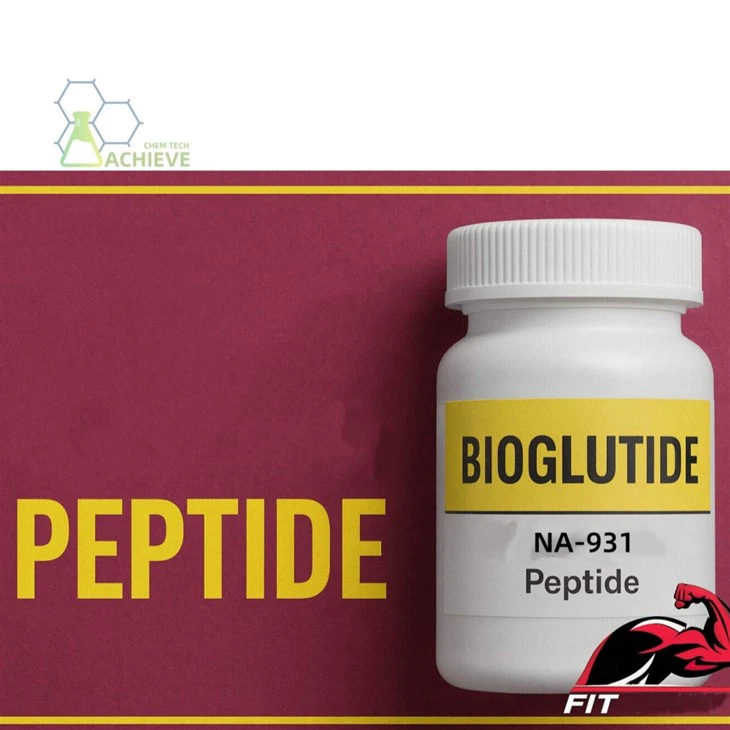
We provide NA-931 peptide, please refer to the following website for detailed specifications and product information.
Product: https://www.bloomtechz.com/synthetic-chemical/peptide/na-931-peptide.html
In contrast to traditional single-target treatments, this new peptide affects appetite control, energy expenditure, and fat metabolism all at the same time through a complex process. In the discovery of Bioglutide NA-931, we have made a big step toward better understanding how coordinated receptor activation can have broader metabolic effects than individual pathway control.

As more pharmaceutical companies, biotechnology companies, and research institutions look for advanced intermediates and high-purity peptide compounds for obesity research and development, it becomes more important to understand Bioglutide NA-931 peptide's scientific background and possible uses. This piece talks about how this multi-agonist peptide works, what it can be used for, and where it might go in the future in current frameworks for treating obesity.
How Bioglutide NA-931 Peptide Targets Multiple Drivers of Obesity

Understanding the Multi-Receptor Approach to Weight Management
Physiological paths that include metabolic processes, hormonal signals, and neural systems all work together to make people fat. Bioglutide NA-931 peptide deals with this complexity by working on several receptor systems at the same time. This quadruple agonist works on GLP-1, GIP, glucagon, and GCG receptors, coordinating a metabolic reaction that is more like the body's natural control systems than single-target treatments.
The idea behind this multi-receptor approach comes from clinical observations that activating a single receptor often only partially improves metabolism. Bioglutide NA-931 causes synergistic effects by working on multiple pathways at the same time. These effects may make metabolic gains last longer and be stronger. Researchers studying incretin-based treatments have shown that combined receptor stimulation can lead to better results than single-therapy methods in a number of metabolic areas.


The Role of Incretin Receptor Activation in Metabolic Regulation
Incretin hormones are very important for keeping glucose levels stable and maintaining the body's energy balance. Bioglutide NA-931 peptide uses these natural systems by turning on both GLP-1 and GIP receptors. These receptors control the release of insulin, stop the release of glucagon when blood sugar levels are too high, and change signals that tell the brain that you are full. The peptide works on these receptors to help fix more natural hormone signaling patterns that get messed up when someone is overweight.
In addition to controlling glucose levels, activating incretin receptors changes how quickly the stomach empties and how the brain processes hunger. These benefits help you eat less and better control your blood sugar levels during meals. Glucagon receptor activation adds another layer by possibly increasing energy expenditure and driving fatty acid oxidation, which makes the energy balance better for weight loss.


Bioglutide NA-931 Peptide for Combined Appetite and Fat Metabolism Support

Mechanisms of Appetite Regulation Through Central Nervous System Effects
Hormonal messages in the body's edges and processing in the brain and spinal cord work together in complicated ways to control appetite. Bioglutide NA-931 changes this system by turning on receptors in parts of the brain that handle feeling full and understanding food rewards. The action of the GLP-1 receptor mainly impacts brain circuits in the hypothalamus and brainstem that combine metabolic cues and determine the right way to eat. Researchers who have studied multi-agonist peptides have found that they significantly reduce feelings of hunger and food cravings.
The objective measures of fewer calories eaten and fewer meals per day match these perceived changes. Bioglutide NA-931's ability to reduce hunger for a long time shows that it has effects beyond just delaying gastric emptying. These effects probably involve changes in how neurons receive rewards and how they send signals to control hunger.
Impact on Adipose Tissue Function and Fat Oxidation
Besides the balance of calories, the quality of metabolic response during weight loss is very important. Bioglutide NA-931 seems to affect not only how much weight is lost, but also what kind of weight is lost.


For example, a study shows that fatty tissue loses weight more than lean mass. This difference is very important for keeping your metabolism healthy and your ability to work while you're losing weight.
The peptide changes the way adipocytes work at the cellular level, which is how it affects fat metabolism. When glucagon receptors are activated, they may speed up the breakdown of fats and the burning of fatty acids. This changes the metabolism of cells so that they use stored fats for energy. When joined with a lower food intake, this change in metabolism makes it easier to lose fat mass and keep metabolically active lean tissue.
Can Bioglutide NA-931 Peptide Improve Long-Term Weight Management Outcomes?
Sustainability Considerations in Peptide-Based Obesity Treatment
Long-term weight control is the best way to tell if an obesity treatment worked or not. Looking back at the past shows that most efforts to lose weight have short-term effects that wear off as the body and mind adjust. Researchers and doctors want to know if Bioglutide NA-931 peptide can keep working well over long treatment times and help people lose weight in a healthy way.
Based on early results from long-term tests of multi-agonist peptides, the all-encompassing metabolic effects may lead to better long-term outcomes compared to earlier-generation treatments.


When you target multiple paths at the same time, you might be able to weaken the processes that normally work against single-target interventions. However, more real-world data collection is still needed to fully describe the long-term effectiveness profile.
Physiological Adaptation and Continued Response
The body's amazing ability to change its metabolism makes it hard for any weight management plan to work. As weight loss happens, energy use usually goes down and hunger cues get stronger.
This makes the body want to gain the weight back. With its ability to activate multiple receptors, Bioglutide NA-931 may be able to fight these changes more effectively than usual.
More and more research is being done on how long receptor sensitivity lasts after being exposed to peptides for a long time. Researchers are still trying to figure out whether receptor downregulation or tolerance limits the drug's long-term usefulness. There is some evidence that the physiological nature of the peptide's process may help keep receptors active longer than synthetic drugs with different pharmacological profiles.

How Bioglutide NA-931 Peptide Uses Quadruple Receptor Activation for Metabolic Control

The Science Behind Simultaneous Multi-Receptor Targeting
The quadruple agonist design of Bioglutide NA-931 is an example of advanced molecular engineering that tries to work like the body's natural systems for controlling multiple hormones. Each receptor target has its own unique metabolic effects that, when added together, have bigger effects than any single route could have had on its own. As we learn more about metabolic regulation, we realize that it includes coordinated signals across many systems, not just a few separate paths.
Activating GLP-1 receptors has strong effects on insulin release, stomach emptying, and controlling hunger.
GIP receptor action adds to the effects of insulin and may change how nutrients are used and how fat is stored. Activating glucagon receptors changes how much glucose is made in the liver, how much energy is used, and how fat is burned. When these effects are coordinated by a single peptide molecule, the medicine works better and may be easier on the body than when different agents are used together.
Pharmacological Advantages of Unified Multi-Agonist Design
Finding a single chemical that works well at a lot of different receptors is hard in the medicinal field, but it also has a lot of benefits. The combined pharmacokinetics is made possible by the unified structure.
All receptor functions follow the same patterns for absorption, distribution, metabolism, and elimination. This coordination makes dose plans easier to understand and may lead to a more consistent therapeutic reaction than using several different agents.
The Bioglutide NA-931 peptide's molecular design includes changes to its structure that make it better at connecting to receptors and choosing which targets to target. These changes have an effect on metabolic stability and half-life, which are important therapeutic factors. Finding the right mix of receptor potencies is very important because too much activity at any one receptor could have bad effects, and not enough activity would limit the treatment benefit.

Why Bioglutide NA-931 Peptide Represents a New Direction in Obesity Treatment
Evolution Beyond Single-Target Therapeutic Approaches
The creation of Bioglutide NA-931 peptide shows a larger change in how obesity is treated. In the past, treatments often focused on single processes, like stopping hunger through one route, stopping fat absorption through another, or speeding up metabolism through a third. Clinical experience showed that these single-target methods had some flaws. They often only produced small benefits and had processes that slowed down their total effectiveness.
Multi-agonist peptides, such as Bioglutide NA-931, show that obesity affects a lot of different systems that work together.
To deal with this level of complexity, we need to take actions that affect several key routes at the same time and work together. This treatment plan is more in line with how the body naturally controls energy balance, which relies on signals from many hormones and neural systems working together.
Potential Implications for Personalized Metabolic Medicine
As our knowledge of metabolic variation in obesity grows, it becomes clear how important it is to tailor treatment methods to each person's metabolic makeup.
It's possible that Bioglutide NA-931 peptide can help people with a wide range of metabolic conditions, making it useful for patients who don't react well to more focused treatments.
Because of the quadruple receptor activation profile, there are several ways that medicinal effects can happen. This variety of mechanisms suggests that even if a person is less sensitive to one signaling pathway, the other pathways may still be able to make metabolic changes that are important. It is important to think about how strong a therapy is when trying to make it work for a wide range of different patient groups.
Conclusion
Through its sophisticated multi-receptor activation mechanism, Bioglutide NA-931 peptide marks a significant development in the scientific method to treating obesity. By hitting GLP-1, GIP, glucagon, and GCG receptors all at the same time, this peptide deals with a number of metabolic problems in an organized way that is similar to how our bodies control our health. This method is different from earlier single-target treatments because it affects controlling hunger, burning calories, breaking down fat, and keeping blood sugar levels steady.
As study into Bioglutide NA-931 peptide continues, it becomes clearer how multi-agonist strategies could be used to treat complex metabolic diseases. As more clinical research is done and more experience is gained in the real world, our knowledge of the best uses, treatment plans, and long-term results will continue to grow. The creation of the peptide is part of a larger shift toward more complex, mechanism-based ways of treating metabolic diseases.
Pharmaceutical companies, science companies, and research institutions working on new treatments for obesity need to be able to get their hands on high-quality peptide compounds and intermediates that meet strict requirements. In this area that is changing quickly, it is important to have reliable supply chains, full analytical characterization, and governmental support in order to move research projects and development timelines forward.
FAQ
1. What's different about Bioglutide NA-931 peptide from other peptides used to treat obesity?
Bioglutide NA-931 peptide stands out because it targets four different receptors at the same time: GLP-1, GIP, glucagon, and GCG. This multi-agonist method targets several metabolic pathways at the same time, which means it might have a bigger impact on hunger, energy use, and fat metabolism than peptides that only target one receptor. The coordinated activation approach is more like how the body naturally controls things than modulating a single route.
2. How long does it usually take for Bioglutide NA-931 to continue to help the metabolism?
The length of treatment depends on how well each person responds, their metabolic goals, and the rules set by the doctors. According to research on multi-agonist peptides, metabolic effects like weight loss and better blood sugar control happen gradually over weeks to months of continued treatment. Long-term success relies on many things, such as how well the treatment is followed, how the person's lifestyle is changed, and their own metabolic traits. Longer tracking helps figure out how well the treatment is working and how long it should last for each patient.
3. What are the most important quality standards to look for when buying Bioglutide NA-931 peptide for research?
Bioglutide NA-931 peptide for research purposes should meet certain requirements for purity (usually ≥98% by HPLC), full structural characterization through mass spectrometry, peptide content measurement, and review of possible impurities. For study purposes, it is important to have full records of analysis, batch-to-batch consistency data, and advice on how to store things properly. As drug research programs move closer to the clinical stages, they need more paperwork, such as regulatory support files, stable data, and GMP compliance certificates.
Partner with BLOOM TECH for Your Bioglutide NA-931 Peptide Supply Needs
BLOOM TECH is an approved Bioglutide NA-931 peptide provider that offers pharmaceutical-grade peptide intermediates backed by a wealth of quality assurance and regulatory knowledge. Our production sites are GMP-certified and have been inspected by the US-FDA, the PMDA, and the EU. This means that they meet all international standards for pharmaceuticals. We sell high-purity peptide compounds to research institutions, pharmaceutical companies, and contract development and manufacturing organizations (CDMOs). These compounds come with full analytical paperwork, such as HPLC and MS profile data and batch consistency data.

Our expert team is here to help you one-on-one with all parts of the research and development process for Bioglutide NA-931 peptide, from the first question to mass production. We help you reach your growth goals quickly by providing clear prices, dependable supply chain management, and knowledge in cold-chain logistics for Bioglutide NA-931 peptide. Our quality systems and flexible production can meet the needs of your program for Bioglutide NA-931 peptide, whether you need small amounts for research or large amounts for advanced development.
Get in touch with our team right away to talk about your Bioglutide NA-931 peptide needs. Email us at Sales@bloomtechz.com to get full product details, certificates of analysis, and quotes that are made just for your project.
References
1. Müller TD, Finan B, Bloom SR, et al. Glucagon-like peptide 1 (GLP-1). Molecular Metabolism. 2019;30:72-130.
2. Nauck MA, Quast DR, Wefers J, Meier JJ. GLP-1 receptor agonists in the treatment of type 2 diabetes – state-of-the-art. Molecular Metabolism. 2021;46:101102.
3. Frias JP, Nauck MA, Van J, et al. Efficacy and safety of dual GIP and GLP-1 receptor agonism in obesity and diabetes: A systematic review. Diabetes Obesity and Metabolism. 2021;23(5):1122-1149.
4. Jastreboff AM, Aronne LJ, Ahmad NN, et al. Tirzepatide once weekly for the treatment of obesity. New England Journal of Medicine. 2022;387(3):205-216.
5. Tschöp MH, DiMarchi RD. Combo peptides for obesity therapy. Nature Medicine. 2022;28(6):1092-1094.
6. Holst JJ, Rosenkilde MM. GIP as a therapeutic target in diabetes and obesity: insight from incretin co-agonists. Journal of Clinical Endocrinology & Metabolism. 2020;105(8):e2710-e2716.