


Parasites are a real hazard to the health of companion animals globally. And these critters may silently threaten a pet's quality of life, from heartworm larvae in the circulation to roundworms interfering with gastrointestinal function. Milbemycin oxime tablets have become a cornerstone solution in veterinary antiparasitic medication, relied upon by pet owners and professionals in the United States, Australia, Japan, Germany, and abroad with milbemycin oxime tablets. But what is it about this molecule that makes it so powerful for targeting parasites while being safe for dogs and cats? The explanation is a very specific neurological process that plays on a key biological distinction between mammals and invertebrate parasites.
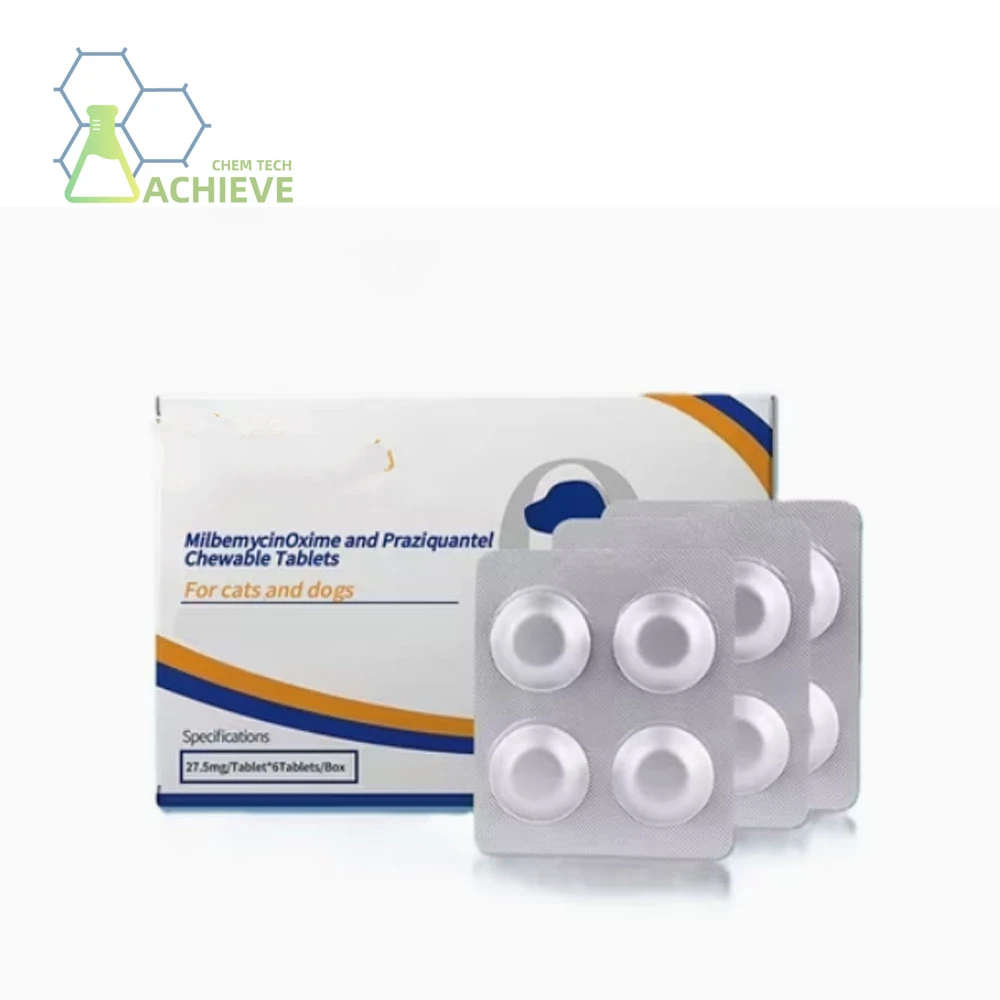
Milbemycin Oxime Tablets
1.General Specification(in stock)
(1)API(Pure powder)
(2)Tablets
For dogs:2.3mg/5.75mg/11.5mg/23.0mg
For cats: 5.75mg/11.5mg/23.0mg
(3)Pill press machine
https://www.achievechem.com/pill-press
2.Customization:
We will negotiate individually, OEM/ODM, No brand, for secience researching only.
Internal Code: BM-2-067
Milbemycin oxime CAS 129496-10-2
Main market: USA, Australia, Brazil, Japan, Germany, Indonesia, UK, New Zealand , Canada etc.
Manufacturer: BLOOM TECH Xi'an Factory
Analysis: HPLC, LC-MS, HNMR
Technology support: R&D Dept.-4
How Does Milbemycin Oxime Target Parasite Nervous Systems Through Chloride Channel Activation?
Milbemycin oxime is a macrolide antibiotic derivative which is obtained via chemical modification of natural chemicals generated by Streptomyces fermentation.
Its antiparasitic effect is based on a highly selective interaction with glutamate-gated chloride channels, ion channels that occur only in invertebrates such as nematodes and arthropods, but not in mammals.
What Are Glutamate-Gated Chloride Channels and Why Do They Matter?
Milbemycin oxime binds to these chloride channels in nerve and muscle cells of the parasite and keeps them open indefinitely. This fills the cell with chloride ions, hyperpolarising it-essentially locking the nerve cell into a condition where it can't fire messages. The parasite then loses muscle control and gets paralysed and dies.
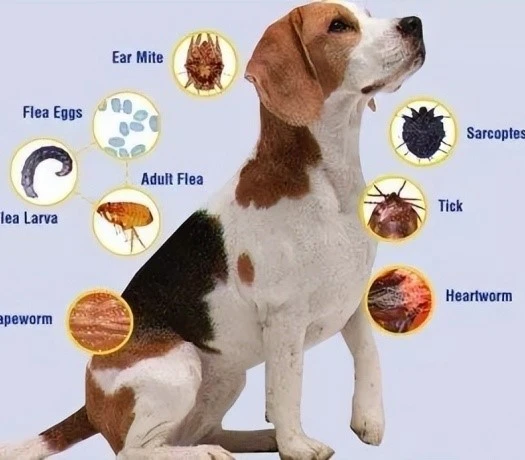

The chemical functions with a high degree of selectivity since animals do not have glutamate-gated chloride channels of this sort. This method of channel binding accounts for the broad-spectrum effectiveness of macrolide-class antiparasitic drugs, according to research in pharmacology literature.
How Selective Toxicity Protects Pets While Eliminating Parasites
The selectivity of milbemycin oxime is not by chance, but is a product of deliberate design of the molecule. The chemical also modulates gamma-aminobutyric acid (GABA)-gated channels, further disrupting inhibitory neurotransmission in the parasites. In animals, the blood-brain barrier provides an additional safety factor by reducing CNS exposure to milbemycin oxime at conventional therapeutic doses.
The dual-action neuro-disruptive nature of milbemycin oxime tablets is the reason they continue to be a common choice for broad-spectrum parasite treatment in veterinary practice.
Milbemycin Oxime Mechanism of Action: Understanding Its Effect on Internal Parasites
On the practical side, knowledge of the process may help pet owners and veterinary professionals appreciate the significance of dose regimens and quality of formulation. The pharmacological effect of milbemycin oxime is reliant on excellent systemic absorption and the optimum drug concentration at the site of parasite activity.
How the Compound Moves Through a Pet's Body
After oral administration (typically as milbemycin oxime tablets) the active ingredient is absorbed from the gastrointestinal tract into the systemic circulation. Peak plasma levels are frequently reached after several hours. Then it reaches peripheral tissues where the parasites reside, such the intestinal lumen, the subcutaneous tissue and the cardiovascular system.
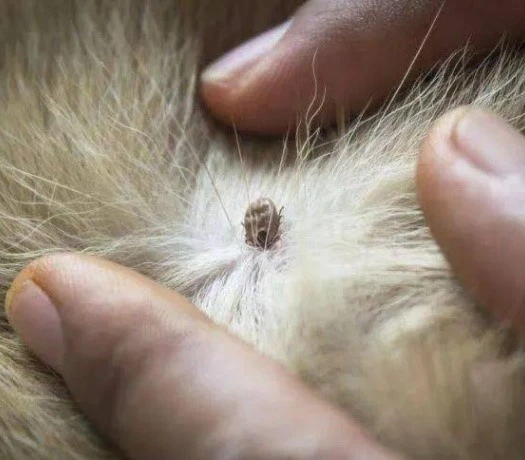
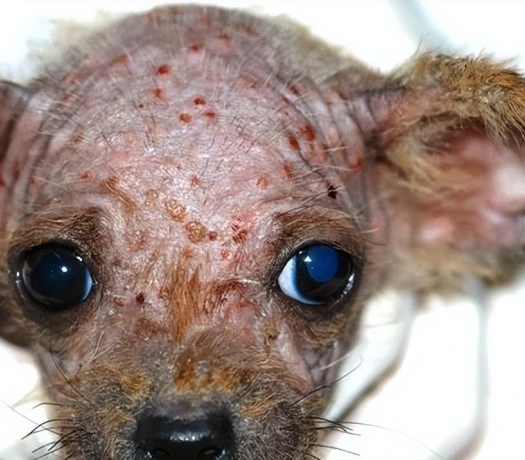
Its lipophilic chemical nature allows it to enter tissues so that it may reach migrating heartworm larvae before they develop into adults.
Why Formulation Quality Directly Influences Efficacy
Clinical results: Purity of active pharmaceutical ingredient is a significant consideration. The content of API in high grade milbemycin oxime tablets was 98.0%-102.0% by HPLC analysis. Single impurities not more than 0.5% Total impurities not more than 1.0% Residual solvents (such as methanol and ethyl acetate) are strictly controlled below 0.3% and 0.5% respectively by gas chromatography testing. If the medicine dissolves at 80% or more in 30 minutes in the paddle approach, then it is guarantyd that the active component will be released after eating, giving the compound every time to complete its parasite eradication work.
How Milbemycin Oxime Disrupts Nerve Signal Transmission in Heartworms and Intestinal Nematodes
Heartworms (Dirofilaria immitis) and intestinal nematodes (including hookworms, roundworms and whipworms) rely on the neuromuscular system for survival, migration and reproduction inside a host animal. Milbemycin oxime interferes with this function via acting on the ion channel.
The Neurological Cascade That Kills Migrating Larvae
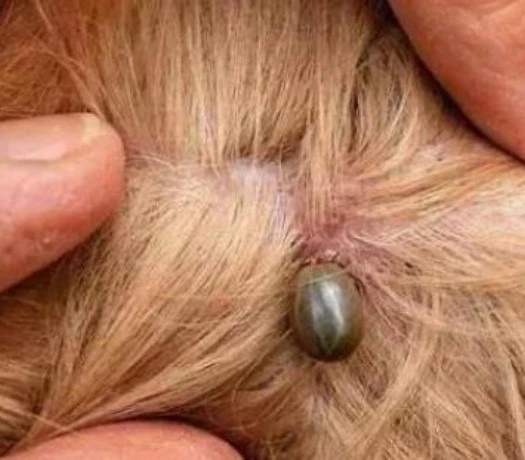
Milbemycin oxime absorption in microfilariae of heartworms and L3/L4 larvae causes hyperactivation of chloride channels resulting in fast neuromuscular paralysis. They cannot coordinate movement, eat or grow further. The monthly oral administration of milbemycin oxime tablets provides a constant pharmacological barrier against larval development, and its efficacy has been proven in field investigations performed in heartworm endemic areas of North America and Southeast Asia.
Intestinal Nematode Clearance Through Sustained Paralysis
The paralytic cascade of hookworms, roundworms and whipworms in the gastrointestinal environment is caused by milbemycin oxime. The molecule remains in gut tissue for a long time, allowing for effective engagement with parasites at different stages of development. In humid, temperate settings where reinfestation pressure with nematodes is considerable, the dependable effectiveness profile of this chemical is especially beneficial to pets.
Milbemycin Oxime Applications in Preventing Heartworm and Controlling Gastrointestinal Parasites
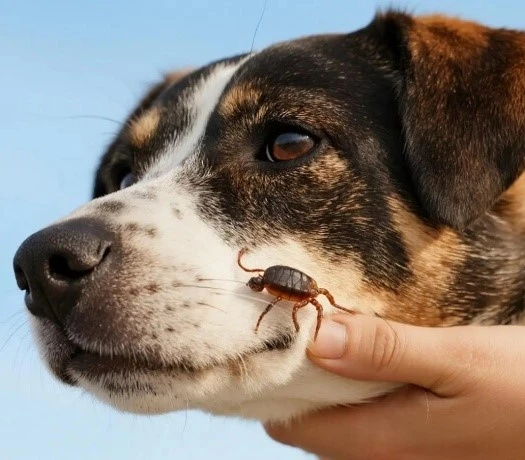
Milbemycin oxime has clinical adaptability in both prophylactic and therapeutic indications, and it is one of the most versatile antiparasitic medicines in companion animal therapy today.
Monthly Prevention Protocol for Heartworm Disease
Monthly use of milbemycin oxime tablets offers persistent protection against heartworm disease in dogs and cats in endemic regions. The active element traps incoming larvae during their most susceptible developmental window, typically within 30 days after infection. Major veterinary health organisations suggest year-round heartworm prevention in high-risk locations, and milbemycin oxime fits well within those recommendations because of its well-characterized safety and effectiveness evidence.
Deworming Protocols for Dogs and Cats of Various Weight Groups
The tablets come in different strengths depending on the weight of the animal – 2.3 mg, 5.75 mg, 11.5 mg and 23.0 mg for dogs and 5.75 mg, 11.5 mg and 23.0 mg for cats – so the veterinarian can prescribe the right amount and not underdose or overdose the pet. Precise dosage is important since under- or over-medication may prevent the therapeutic success.
Why Pet Owners Choose Milbemycin Oxime for Comprehensive Parasite Management in Dogs and Cats
The number of pet owners in North America, Europe and the Asia-Pacific regions has seen a large increase. With more pets comes increasing knowledge of parasite-related health dangers. Pet owners have been faithful to Milbemycin oxime, not by accident, but because of its track record of outcomes that can be measured.
Broad-Spectrum Coverage Reduces the Need for Multiple Products
Pet owners may use milbemycin oxime tablets to kill all of these parasites with one monthly dosage, instead of treating heartworm, hookworm, roundworm and whipworm separately. That simplicity minimises compliance problems - one of the most typical reasons preventative measures fail in the real world.
Palatability Innovations Improve Pet Compliance
Modern formulations include chewable tablet forms with meat-flavored coating obtained by use of fluidised bed coating technique with HPMC aqueous solution. Pets are more likely to take these tablets, lowering stress at medication time and increasing owner compliance with treatment regimens. A pet who takes its monthly preventative therapy happily is a protected pet.
Conclusion
Milbemycin oxime has a highly selective and well known antiparasitic action. It works by activating chloride channels in the nerve cells of parasites, causing paralysis and death, but does not affect mammalian hosts. Indications include heartworm disease prevention and removal of intestinal nematodes. Dosage flexibility accommodates various animal sizes. Formulation science is evolving with improved palatability and stability. Milbemycin oxime is a widely known and approved anti-parasitic for the veterinarian and distributor who needs a reliable, scientifically based medication to provide to pet owners with milbemycin oxime tablets.
Frequently Asked Questions
Q1: How often should milbemycin oxime tablets be administered to dogs and cats?
+
-
It is given once a month. When dosed once a month, the medication levels remain high enough to kill heartworm larvae as they pass through the susceptible stages of development, and also to control intestinal nematodes.
Q2: Are milbemycin oxime tablets safe for all breeds of dogs?
+
-
Milbemycin oxime is well tolerated at prescribed levels in most breeds. However, some herding breeds with the MDR1 gene mutation can be more sensitive to macrolide chemicals. Always discuss breed-specific risk concerns with a professional veterinarian before starting medication.
Q3: What is the difference between milbemycin oxime API powder and finished tablets?
+
-
The API is the pure active pharmaceutical ingredient that the manufacturers employ to make the final dosage forms. The API is combined with excipients, including diluents, binders, lubricants, and coatings, to create finished milbemycin oxime tablets. These tablets provide a correct dose of API, are stable, palatable, and dissolve properly in the gastrointestinal system.
Partner with Bloomtechz - Your Trusted Milbemycin Oxime Tablets Supplier
We provide pharmaceutical quality milbemycin oxime tablets and API with over 12 years of organic synthesising experience and GMP-certified production in our Xi'an plant. Our manufacturing plant is certified by US-FDA, EU-GMP, PMDA, CFDA and BGV-Hamburg Germany, assuring the highest international quality standards for every batch. We have completed tablets in various weight-adjusted strengths, pure API powder, and bespoke OEM formulations. Our R&D and QA staff ensure perfection at every step of the process. We have customers all across the USA, Australia, Japan, Germany, Brazil and the UK. As a recognised supplier of milbemycin oxime tablets, Bloomtechz offers low prices, clear lead times and full quality documentation for smooth customs clearance.
Ready to place an inquiry? Reach out to our sales team directly at Sales@bloomtechz.com and get accurate pricing, lead time, and full technical documentation within one business day.
References
1. Shoop, W. L., & Soll, M. (1990). Chemistry, pharmacology, and safety of the milbemycin class of macrolide antiparasitic agents. Veterinary Parasitology, 35(1–2), 83–107.
2. Geary, T. G., Sims, S. M., Thomas, E. M., Vanover, L., Davis, J. P., Winterrowd, C. A., & Thompson, D. P. (1993). Haemonchus contortus: Ivermectin-induced paralysis of the pharynx. Experimental Parasitology, 77(1), 88–96.
3. Cully, D. F., Vassilatis, D. K., Liu, K. K., Paress, P. S., Van der Ploeg, L. H. T., Schaeffer, J. M., & Arena, J. P. (1994). Cloning of an avermectin-sensitive glutamate-gated chloride channel from Caenorhabditis elegans. Nature, 371(6499), 707–711.
4. Sasaki, T., Itoh, N., Shimizu, T., Fukushima, U., Ando, S., & Taira, T. (2000). Efficacy of milbemycin oxime against Dirofilaria immitis microfilariae in dogs: A controlled field study. Journal of Veterinary Medical Science, 62(3), 285–289.
5. Bowman, D. D., Atkins, C. E., & Georgi, J. R. (2009). Georgis' Parasitology for Veterinarians (9th ed.). Saunders Elsevier.
6. United States Pharmacopeia and National Formulary (USP–NF). Milbemycin Oxime Monograph. United States Pharmacopeial Convention.