


There are always new antiviral chemicals that make veterinary medicine better. These chemicals get around the problems that older methods had. People who own pets and vets are always looking for new ways to treat viral diseases that used to seem hard to treat. There is a lot of interest in the gs-441524 injection among these new treatments for animal health, especially after it showed great effects against feline viral peritonitis. Of course, this makes me wonder if this antiviral drug could also help dogs who have canine coronavirus illnesses.Dog owners and doctors worry about canine coronavirus. Most dogs recover on their own, but puppies, elderly dogs, and those with weak immune systems are more likely to develop life-threatening gastrointestinal issues. The gs-441524 injection kills viruses, notably coronavirus RNA viruses; it may be used to treat dogs with coronavirus. To comprehend the science, current research, and practical issues related to veterinary antivirals, we must examine several stages of their development.More than health benefits are discussed here. Cat medication can now improve dog treatment in veterinary science. Studies on viruses that affect diverse animals suggest a novel treatment for dogs with coronaviruses. This in-depth study examines the science underlying gs-441524 injection to treat canine coronavirus, current research, and prospective applications.
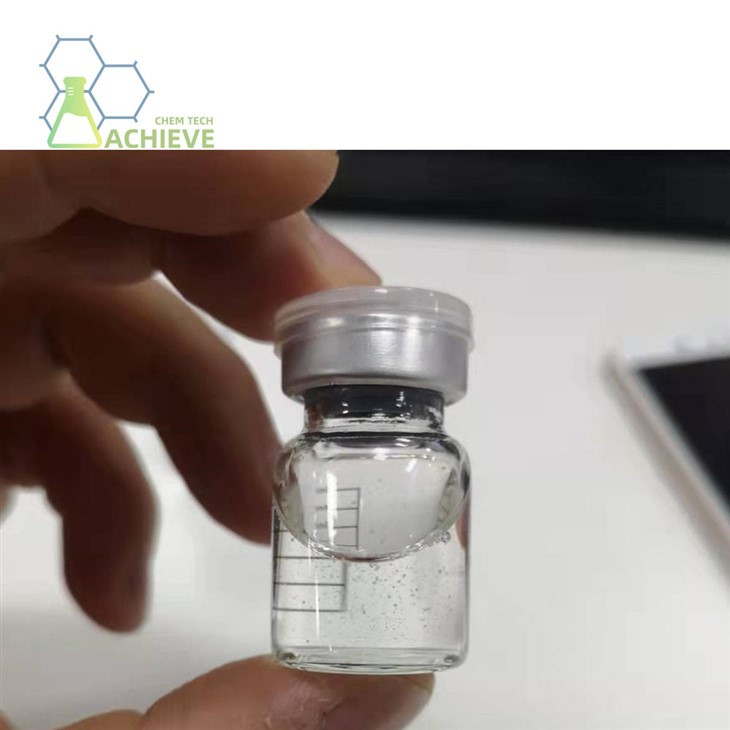
GS-441524
1.General Specification(in stock)
(1)Injection
20mg, 6ml; 30mg,8ml; 40mg,10ml
(2)Tablet
25/45/60/70mg
(3)API(Pure powder)
(4)Pill press machine
2.Customization:
We will negotiate individually, OEM/ODM, No brand, for secience researching only.
Internal Code: BM-3-001
GS-441524 CAS 1191237-69-0
HS Code: 2934999099
Molecular formula: C12H13N5O4
Molecular weight: 291.26
EINECS: 200-001-8
MDL No .: MFCD32666994
We provide gs-441524, please refer to the following website for detailed specifications and product information.
Product:https://www.bloomtechz.com/oem-odm/injection/gs-441524-injection.html

What Canine Coronavirus Findings Relate to gs-441524 Injection?
Canine coronavirus causes gastroenteritis in dogs, predominantly in the stomach epithelial cells, at variable levels. Diarrhoea, vomiting, fatigue, and appetite loss might result. Despite being species-specific, the Coronaviridae virus resembles the feline coronavirus. Due to this taxonomic relationship, we can test whether coronavirus treatments function against similar varieties.How coronaviruses duplicate themselves reveals therapy options. RNA polymerase enzymes help RNA viruses replicate and process their genetic material in infected cells.


It prevents replication by binding to viral RNA chains and interrupting transcription early.GS-441524 injection works this way. Molecular-level viral fighting should function on all coronavirus species, regardless of host.Initial reports from veterinary clinics suggest physicians have given severe coronavirus-infected dogs gs-441524 injections.These studies aren't as rigorous as controlled clinical trials, but they suggest therapeutic advantages include reduced symptoms, shorter illness duration, and a greater survival rate for critically sick animals.
Based on these first findings, well-designed veterinary studies are needed to establish dog-specific safety profiles, dosage methodologies, and efficiency criteria.Coronavirus infections in dogs and cats affect their immune systems similarly.Both disorders generate inflammation, which worsens symptoms and slows disease progression. Since gs-441524 injection destroys viruses, the body has fewer viruses. This may reduce the immune system's tissue-damaging reaction. This therapy is better than treating symptoms since it directly stops the virus and indirectly affects the immune system.


gs-441524 Injection Research Across Different Animal Species

There is an interesting story behind how the gs-441524 injection was made that shows how new medicines for animals are made. The first time this molecule was made, it was used to study broad-spectrum antivirals that attack RNA viruses. It worked amazingly well against feline infectious peritonitis, a condition that used to be very dangerous. Now we know how to treat cats with this disease differently, and we can also look into how to treat other viral illnesses in pets.Researchers and animal medication makers have thoroughly tested gs-441524 injection on many animal species to determine its efficacy, safety, and virus-fighting potential.
Several lab investigations indicated that all mammalian species can absorb, disseminate, break down, and flush out the toxin. We need the findings of these fundamental pharmacology investigations before we can apply cat medication treatments to dogs.The ability to target particular molecules makes the gs-441524 injection more beneficial for species crossover. RNA-dependent RNA polymerase enzymes from coronaviruses that infect various hosts have many similarities. Since biochemicals are usually the same, drugs that inhibit these enzymes in one virus may work against comparable infections.


Both computer simulations and in vitro testing reveal that gs-441524 injection stops distinct coronavirus RNA polymerases.This suggests it may treat dog coronavirus.Species-based animal medicine is gaining popularity. Cat infectious peritonitis was effectively treated with gs-441524 injection. This model may be used to create dog coronavirus treatments. Dose-response relationships, treatment duration, and monitoring methods improved by clinical experience with cats may be applied in dogs. Remember that dogs and cats have different bodies, so make adjustments accordingly.

Comparing Feline and Canine Virus Responses to gs-441524 Injection
Although cat and dog coronaviruses infect distinct species, they share core biological features that affect medication efficacy. Both viruses enter cells, replicate, and infect hosts via these methods. Due to these similarities, antiviral medications that act against one coronavirus may also function against another. However, species-specific characteristics constantly add variables to consider.Cat and dog coronaviruses have varied cellular tropism, affecting their treatment. Cats' infectious peritonitis virus prefers macrophages and serous membrane cells. This renders the illness effusive or non-effusive. Dogs experience stomach troubles when canine coronavirus infects gut cells.


Although tissue changes affect viruses, RNA remains the key item they require. gs-441524 injection may treat any injured organ system.Biochemical considerations affect how various animals break down drugs. The body's medication pharmacokinetics are studied. Liver enzyme profiles, renal clearance rates, and protein binding vary between dogs and cats. Cats and dogs have excellent patterns for gs-441524 injectable breakdown in various breeds. To feed these animals the proper quantity, know their weight, metabolic rate, and illness. Based on early pharmacokinetic models, dogs may require somewhat different dosage intervals than cats to maintain effective blood levels throughout therapy.
Kitty's clinical response patterns may assist us in determining the drug's usage in dogs. gs-441524 injections for feline infectious peritonitis frequently improve cats' symptoms between days to weeks. Molecular indicators normalise with lengthier therapy. Veterinary professionals interested in treating canine coronavirus with this substance report comparable improvements. The clinical parameters monitored depend on how the condition manifests. These identical reaction routes suggest that gs-441524 injection works against all coronavirus-infected species.


Potential Expansion of gs-441524 Injection in Canine Care Research

Before the gs-441524 injection is used as standard therapy for dogs with coronavirus, animal researchers recognise there are large information gaps that must be addressed. Research on controlled clinical studies that compare treated and untreated dogs is crucial. Long-term safety assessments and dose-finding studies for optimal therapy levels are also. Some veterinary colleges and drug research organisations have begun basic investigations to address these problems, but the results will be published later.Experimental methods are being used to develop canine coronavirus treatment recommendations.
These studies employ several kinds, sizes, and disease degrees of dogs to be valid for all dogs. Researchers track hospital stays, mortality rates, viral load reductions, and other negative events. Therapy theories should be backed by science, not personal experience.The multidimensional review process ensures that.The methods to acquire regulatory clearance for animal medications include extra considerations that influence research direction. Before new medical uses for recognised substances, regulatory organisations require a lot of evidence regarding their safety and efficacy. gs-441524 injection is safe for cats, but we need to test it on various breeds of dogs before using it.


Research teams must engage with regulatory bodies to ensure studies fulfil approval standards and address clinical topics vital to animal veterinarians.Researchers now want to cure more than short-term coronavirus outbreaks. They aim to prevent and understand their progression. A gs-441524 injection may prevent infections in high-risk areas, including dog kennels, breeding facilities, and coronavirus-prone areas. Studying persistent coronavirus instances, like chronic coronavirus carriers in cats, may lead to long-term solutions to enhance the health of afflicted canines.

Why Veterinarians Consider gs-441524 Injection for Viral Infections
Veterinarians have few coronavirus-prevention medications for cats. Traditional treatments concentrate on providing fluids, meals, and secondary illness management rather than attacking the infection. Making the gs-441524 injection a personalised antiviral medication is a huge shift. Instead of treating symptoms, physicians can prevent viruses from multiplying.When making clinical decisions, veterinarians must assess the treatment's efficacy against its safety and ease of use.


Because it proved safe for cats, vets may give dogs with severe coronavirus infections the gs-441524 injectable, notwithstanding the label. Antiviral medicine's advantages may outweigh its risks in dog dosages.This is crucial for neonates, animals with weak immune systems, and those with deadly illnesses.For gs-441524 injection to work better on animals, they should be given under the skin. When animals are unwell or vomiting, oral medication might be difficult. This administration method eliminates such issues while ensuring regular drug absorption and bioavailability.
If they know how, veterinarians may readily add subcutaneous injections to their treatment regimens. They don't require specific tools or technological expertise.Money issues might limit veterinary adoptions and care. Pet owners may have to pay extra for the gs-441524 injection, but it may be worth it if it prevents the condition from worsening, reduces hospital stays, and boosts pet survival. Veterinarians are more transparent about treatment alternatives, results, and costs. This aids individuals in making their own decisions.

Quality Standards Matter When Sourcing Veterinary Compounds

Drug treatment value and safety rely on how properly it was created, cleaned, and handled along the supply chain. Vets and cat owners who wish to acquire gs-441524 injection must deal with suppliers without manufacturing credentials and uneven product quality and formulae. This is particularly crucial for animal-treatment chemicals, which may have different restrictions than human medications.Reliable organisations have stringent quality control systems that examine raw materials, test the product in production, analyse the finished product, and ensure stability.
Tests like high-performance liquid chromatography and mass spectrometry confirm the gs-441524 injection product's identity, purity, and lack of defects.Certificates of analysis that identify these quality parameters ensure that pharmaceutical items satisfy requirements and work as intended.A manufacturer with the necessary accreditation is a reliable vendor with decent products. A Good Manufacturing Practice licence implies you follow medicine-making quality control requirements. A facility with licenses from the FDA, EU, and other regulatory bodies indicates its commitment to quality.


These licensees must undergo frequent inspections, documentation reviews, and checks to ensure compliance.This maintains excellent manufacturing standards.How pharmaceutical compounds are kept and supplied affects their safety and efficacy. The transport networks for gs-441524 injection must maintain the correct temperature to maintain molecular structure and therapy efficacy. Validated cold-chain activities, the correct packaging materials, and provider stability data maintain products effective when created and provided to patients. Veterinarians should ensure that sellers transfer animals safely.

Conclusion
Coronavirus-infected dogs may benefit from gs-441524. This issue fascinates animal health professionals. The field remains active for veterinarians. The canine clinical studies are still underway, but the compound's capacity to combat a broad spectrum of coronaviruses, safety in cats, and viral replication-stopping mechanism warrant further investigation. Early clinical data show this therapy may assist, but dog owners and veterinarians should recognise that evidence-based treatments require more organised research.Comparative medicine uses what we learn from studying other animals to heal illnesses that were previously incurable. Animal antivirals are an example. Vets may make better-informed decisions regarding the gs-441524 injection for canine coronaviruses as they investigate it. Dog owners with severe coronavirus illnesses should discuss treatment options with their veterinarians. They should assess the potential advantages against the lack of proof and consider each patient's requirements.Quality is still the most critical factor when choosing animal medication ingredients. Therapeutic treatments reduce hazards by following stringent quality standards, having the proper permits, and running their operations transparently. Together, veterinarians, research centres, and quality-focused providers like BLOOM TECH are trying to make things better for pets that have viral problems.
FAQ
1. Can gs-441524 injection be used safely in dogs with coronavirus infections?
For cats, the gs-441524 injection has been shown to be very safe. But we don't know much about how safe it is for dogs yet. In the early stages, vets say that the chemical doesn't seem to bother the dogs. Still, more safety tests need to be done to find the best dose amounts, any possible side effects, and reasons why the chemical shouldn't be used on dogs. Any vets who want to use gs-441524 injection on dogs that have the canine coronavirus should carefully look at each patient's unique situation, keep an eye out for any strange reactions, and change the treatment plans based on how the dogs react. Pet owners should talk to their vet in depth about the risks and benefits of this medicine before giving it to their pet.
2. How does gs-441524 injection work against canine coronavirus?
gs-441524 injection is a nucleoside analog that stops the coronavirus from making RNA, which is needed for the virus to grow. When given to sick cells, the substance changes into molecules that the cells can use. It looks like these leftovers are the same as the natural nucleosides that coronaviruses add to their RNA chains as they copy themselves. gs-441524 injection molecules are added instead of natural nucleosides by the viral RNA polymerase enzyme, but the process stops too soon. This stops the full replication of the viral DNA. This process drops the amount of virus in animals that have it, which may help them feel better and help their immune systems get rid of the sickness.
3. What research supports using gs-441524 injection for canine coronavirus?
The current research that backs up gs-441524 injection for canine coronavirus mostly comes from in vitro studies that show it can fight different types of coronavirus, good treatment results for infectious peritonitis in cats, and early case reports from veterinarians that involve dogs. These results are good, but large-scale controlled clinical trials that test how to treat dogs with coronavirus are still in their early stages. Researchers in veterinary medicine are aware of this knowledge gap and are working hard to find treatment methods that are backed up by proof by doing thorough studies. People who own pets and vets should be careful with how they use the information we already have, and they should keep their hopes up for future studies.
Partner With BLOOM TECH for Premium gs-441524 Injection Supply
Groups and people who work with animals and need reliable gs-441524 injection supplier partnerships should look for companies that can show they have high-quality standards, follow all the rules, and know a lot about technology. Bloom TECH has been around since 2008, when it was first called Shaanxi BLOOM TECH Co., Ltd. It has a lot of experience making organic chemicals and medicinal products. They also have chemicals for pets. You can be sure that the quality of our goods meets foreign standards because our 100,000-square-meter GMP-certified factories follow strict rules set by the US, EU, Japan, and the CFDA.Our company has strict quality systems that are checked at three different levels: testing at the plant level, analysis by a QA/QC department, and approval by a third-party authority. This all-around method makes sure that every batch of gs-441524 injection meets certain quality standards, stays clean, and always heals as it's supposed to. We guarantee the quality of our goods by returning in full any goods that don't meet the terms of the contract. This shows that we believe in the quality of what we've made.24 well-known drug companies, study groups, and material makers from around the world have accepted BLOOM TECH as a seller. This proves that we live up to our honest and reliable image. Our professional team can help you with all of your needs, from giving you expert advice to managing the supply chain and taking care of all the paperwork needed for customs clearance and regulatory reports. We make our prices and profit rates clear so that we can build long-term relationships based on trust and growth for both sides.You can talk to our sales team about your gs-441524 injection needs by emailing Sales@bloomtechz.com. If you need detailed product specs, scientific data, legal paperwork, or solutions that are made just for you, give them a call. If you need research-grade materials for studies that are still being looked into or large amounts for practical use, BLOOM TECH has what you need. Their high-quality compounds help make progress in antiviral medicines for animals
References
1. Addie DD, Toth S, Murray GD, et al. Risk of feline infectious peritonitis in cats naturally infected with feline coronavirus. American Journal of Veterinary Research. 1995;56(4):429-434.
2. Dickinson PJ, Bannasch M, Thomasy SM, et al. Antiviral treatment using the adenosine nucleoside analogue gs-441524 in cats with clinically diagnosed neurological feline infectious peritonitis. Journal of Veterinary Internal Medicine. 2020;34(4):1587-1593.
3. Evermann JF, Baumgartener L, Ott RL, et al. Characterization of a feline infectious peritonitis virus isolate. Veterinary Pathology. 1981;18(2):256-265.
4. Pedersen NC, Perron M, Bannasch M, et al. Efficacy and safety of the nucleoside analog gs-441524 for treatment of cats with naturally occurring feline infectious peritonitis. Journal of Feline Medicine and Surgery. 2019;21(4):271-281.
5. Pratelli A, Tinelli A, Decaro N, et al. Efficacy of an inactivated canine coronavirus vaccine in pups. New Microbiologica. 2003;26(2):151-155.
6. Saif LJ. Coronavirus immunogens. Veterinary Microbiology. 1993;37(3-4):285-297.