


Since new coronavirus strains have been found, scientists around the world have stepped up their search for effective antiviral chemicals. GS-441524 powder has gotten a lot of interest from pharmaceutical researchers and biotechnology groups around the world as one of the potential options being looked into. The nucleoside version that was first made as a parent chemical of remdesivir has interesting effects against a number of RNA viruses, especially those in the coronavirus family. Figuring out how this substance works with the machinery that copies viruses is important for coming up with new ways to treat diseases.
Companies that make medicines and research institutions are still looking into how GS-441524 powder works inside cells. The compound's ability to stop the production of viral RNA is an interesting area to study, especially since new coronavirus types and other pathogens are always a danger. Even though remdesivir was given emergency approval for clinical use, GS-441524, its parent molecule, is still a useful study tool that helps scientists learn about the basic ideas behind fighting viruses.
This piece talks about the science behind GS-441524 powder's ability to stop the spread of the coronavirus, how it could be used in future studies on broad-spectrum viruses, and how it could help with future plans for being ready. This page has information for people who work in research, make medicines, and groups that need to find trusted sources of high-quality research compounds for their investigational projects.
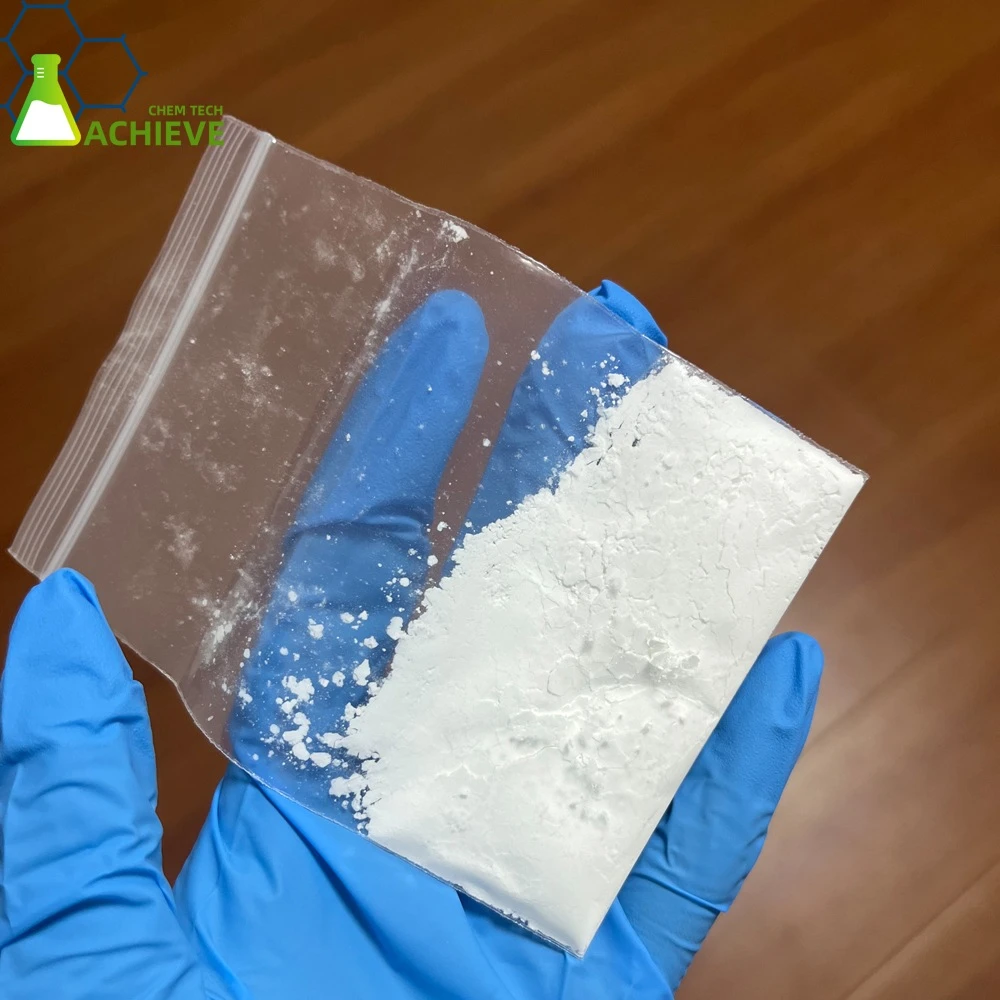
GS-441524 powder
1.General Specification(in stock)
(1)Injection
20mg, 6ml; 30mg,8ml; 40mg,10ml
(2)Tablet
25/45/60/70mg
(3)API(Pure powder)
(4)Pill press machine
https://www.achievechem.com/pill-press
2.Customization:
We will negotiate individually, OEM/ODM, No brand, for secience researching only.
Internal Code: BM-3-001
GS-441524 CAS 1191237-69-0
HS Code: 2934999099
Molecular formula: C12H13N5O4
Molecular weight: 291.26
EINECS: 200-001-8
MDL No .: MFCD32666994
Analysis: HPLC, LC-MS, HNMR
Technology support: R&D Dept.-4
We provide GS-441524 powder, please refer to the following website for detailed specifications and product information.

How GS-441524 Powder Demonstrates Activity Against Coronavirus Replication
Mechanism of Viral RNA-Dependent RNA Polymerase Inhibition
The main way that GS-441524 powder works is by changing into an active triphosphate molecule inside affected cells. The molecule works like an adenosine nucleotide and joins with new virus RNA chains while they are copying themselves. Once it is added, the changed nucleotide stops the chain from terminating early, which stops the virus DNA from being made. Studies on the feline infectious peritonitis virus, a coronavirus that affects cats, showed that GS-441524 powder can stop the virus from replicating at very low amounts.


One very important benefit is that this substance only targets virus polymerases and not human cellular polymerases. Coronavirus RNA-dependent RNA polymerases have special molecular traits that make it easier for the GS-441524 metabolite to be incorporated. Researchers who have their work published in reputable journals say that the viral enzyme's active site can handle the changed nucleotide more easily than host cell enzymes. This may help explain why the chemical works so well in lab tests.
Cellular Uptake and Metabolic Conversion Pathways
For antivirals to work, they need to be able to get into cells and be phosphorylated to the active form. The GS-441524 powder has good physical and chemical qualities that make it easier for drugs to pass through membranes without complicated prodrug tactics. Once inside cells, kinase enzymes catalyze the addition of phosphate groups one after the other, creating the triphosphate species that stops polymerase.

The general effectiveness of the compound is affected by how quickly this metabolic activation route works. Researchers have found that within hours of being exposed to the substance, the active metabolite levels inside cells reach high enough levels to stop the growth of viruses. Because it changes so quickly, GS-441524 powder is very useful for treatments that need to be done quickly, and the viral load needs to be managed.

GS-441524 Powder for Exploring Broad Coronavirus Antiviral Strategies
Cross-Reactivity Against Multiple Coronavirus Species
One interesting thing about GS-441524 powder is that it might be able to fight different types of coronaviruses.
Because there is a lot of conservation within the active sites of coronavirus RNA polymerase, chemicals that target this enzyme might work well in a wide range of situations.
Comparative studies that looked at how the substance affected different types of coronaviruses found that it consistently blocked their activity, though the strength of the effect varied slightly between species.
This cross-reactivity trend has big effects on how ready people are for an outbreak. Instead of making treatments that only work against one type, researchers can look into chemicals that can fight a wide range of linked pathogens.
Because coronavirus polymerases are structurally similar, nucleoside analogs like GS-441524 powder can use this weakness to their advantage.
Figuring out which parts of molecules give broad-spectrum action helps scientists make better analogs that work better against pan-coronaviruses.
Combination Approaches with Other Antiviral Mechanisms
Combination treatments that attack different parts of the viral lifecycle are used more and more in modern antiviral tactics. Because it targets polymerase specifically, GS-441524 powder is a great choice for these kinds of methods.
When mixed with chemicals that stop viruses from entering, proteases from working, or the host's defense system, they may have effects that are stronger than those of the single chemicals.
In the lab, research teams have started to look into these possible combinations. Early research shows that mixing GS-441524 powder with protease inhibitors may help stop viruses in cell culture models, either by themselves or by working together.
The processes that don't overlap make it less likely that they will work against each other, but they still attack the virus through separate paths at the same time.
These multi-targeted methods may also lower the chance of resistance building up, which is a problem with antiviral therapies that only use one drug.

Can GS-441524 Powder Support Research on Emerging RNA Virus Threats?
Applicability Beyond Coronavirus Family Members
The main way that GS-441524 powder stops the replication of viruses might also work against other RNA viruses that use the same polymerase machinery. RNA-dependent RNA polymerases with structural patterns that may recognize nucleoside analogs are used by flaviviruses, alphaviruses, and some other virus groups. Researchers have started to look into whether GS-441524 powder or similar chemicals can work against these other viral targets.

Initial screening studies revealed variable results depending on the specific virus examined. Some RNA viruses were sensitive to GS-441524 powder metabolites, but others didn't seem to be. This could be because they had different polymerase active site architectures or metabolic conversion needs. These results show how important it is to do full analysis to find out which virus families are good targets for this class of compounds. The compound is more useful as a study tool and a possible treatment lead if it has a wide range of activities.
Resistance Profiling and Evolutionary Pressures
Both study methods and clinical tactics are affected by how well we understand how viruses become resistant to nucleoside analogs. Viruses are regularly exposed to low levels of GS-441524 powder in laboratory passage tests. This lets researchers find resistance mutations in viral polymerases. By sequencing the DNA of resistant versions, scientists can find changes to certain amino acids that make it harder for compounds to bind or incorporate.
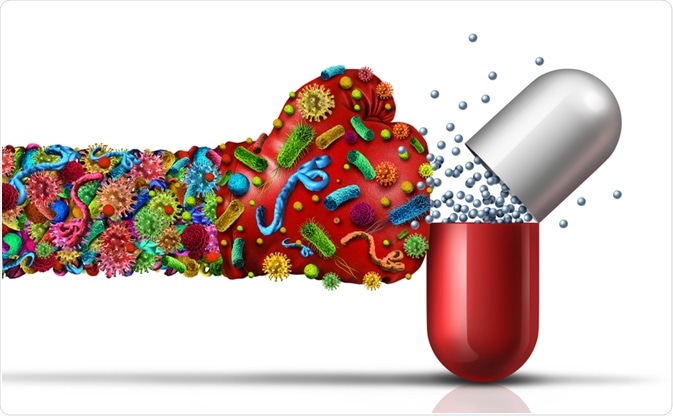
These studies on resistance tell us a lot about how the chemical interacts with its biological target. By placing resistance mutations on polymerase crystal structures, it becomes clear which residues interact directly with the inhibitor and which ones change the shape of the enzyme in a roundabout way. Knowing how resistance works also helps scientists make second-generation molecules that are less likely to be broken by these escape routes. The problem of keeping compounds successful against changing viral populations is still there, and structure-guided drug design helps solve it.

How GS-441524 Powder Targets Key Coronavirus Replication Mechanisms
Interference with Viral Genome Copying Fidelity
A basic condition for efficient viral transmission is accurate genome replication. To make child genomes that can live, coronavirus polymerases have to carefully copy thousands of nucleotides.
Adding GS-441524 powder metabolites breaks this integrity by adding chain-terminating lesions or misaligned bases that change genetic information.
Even very low amounts of inclusion can make a virus less fit by adding mutations that make it impossible to reproduce.
Researchers who looked at mutation rates with nucleoside analogs found that replication errors happened more often. This high rate of mutation pushes viral populations past a point where genetic information can't be safely passed on to children.
This is known as "error catastrophe." Some mutant viruses may still be able to do some things, but the general population is much less likely to infect others.
This changing process works with the compound's chain-terminating effects to stop virus replication in more than one way at the same time.
Impact on Viral Protein Expression Dynamics
For infection to work, virus proteins must be expressed at specific times and in the right amounts. GS-441524 powder indirectly changes the production of virus mRNAs that are used as building blocks for proteins by stopping genome replication.
When RNA levels drop, protein production drops across all virus genes, including those that make structural parts, enzymes, and helper proteins.
Looking at how viral proteins built up over time in treated cells showed that late-phase protein translation was slowed or not happening at all.
Early viral proteins, which are made before the full effects of the drug are seen, may show up at amounts close to normal. However, proteins that need long-term RNA production to be expressed show big drops.
This different effect on different types of viral proteins helps explain how the chemical can stop active infections even after the virus has already entered the cell.

GS-441524 Powder and Its Potential Role in Future Coronavirus Research
Integration into Antiviral Drug Development Pipelines
GS-441524 powder is used by pharmaceutical development teams in early-stage research as both a tool compound and a structure starting point. The fact that it has been shown to work against coronavirus targets supports the polymerase inhibition method, making it seem like a safer way to spend money. Medicinal scientists use the GS-441524 powder scaffold as a guide to make new analogs with better qualities that are ready for clinical testing.
The compound plays a part in all steps of experimental research.


To figure out how much to give, pharmacokinetic studies look at how drugs are absorbed, distributed, broken down, and flushed out of the body. Toxicology studies look at the safety gaps and find possible bad effects that need to be monitored. Formulation scientists make steady mixtures that can be given in a number of different ways. For all of these tasks, it helps to have a well-defined reference combination that helps with making choices and figuring things out.
Contribution to Pandemic Preparedness Strategies
Global health groups know how important it is to keep strong antiviral research skills that can quickly respond to new threats. Keeping information about groups of compounds that can work on a wide range of pathogens, such as nucleoside analogs like GS-441524 powder, on hand makes it easier to act quickly when new pathogens appear. The tools, knowledge, and tried-and-true methods that have been built up through ongoing study can be quickly applied to new problems.


More and more, preparedness programs focus on platform technologies that can be used against multiple viruses instead of solutions that are only effective against one disease. One such platform is the nucleoside analog method shown by GS-441524 powder. By studying how this substance reacts with different coronaviruses, we can directly apply what we've learned to studying new strains. This body of knowledge cuts down on the time needed to figure out whether current chemical tools can be used to solve new problems or if completely new methods need to be found.
Conclusion
The study of GS-441524 powder by scientists is still giving us useful information about the biology of coronaviruses and effective ways to fight them. This molecule has been shown to work against viral RNA polymerases and has good selectivity profiles, making it an important study tool for both drug development and basic virology studies. The mechanistic knowledge gained from studying GS-441524 powder helps with larger attempts to create effective defenses against current and future virus risks.
To move their research projects forward, research groups, biotechnology businesses, and drug makers need to be able to get their hands on high-quality reference compounds. The fact that GS-441524 powder has been thoroughly described makes it possible to do tests that can be repeated and add to the body of scientific knowledge. It is compounds like GS-441524 powder that help to test new methods and set standards for new findings as the field continues to change.
Nucleoside analog processes are still being studied, which adds to the growing number of antiviral tactics. There is still a lot of work to be done before these research results can be used in clinical settings, but the basic information gained from studying GS-441524 powder speeds up the process. Antiviral science keeps moving forward thanks to the work of experts all over the world working together and having steady access to important chemical tools.
FAQ
What makes GS-441524 powder effective against coronavirus replication?
Inside sick cells, GS-441524 powder changes into an active triphosphate molecule that does its job. This molecule works like adenosine and is added to growing RNA chains by viral RNA polymerases during genome replication. Once added, the changed nucleotide ends the chain or introduces mistakes in replication, which stops the virus from making its genome. The chemical works well in lab tests because it targets viral polymerases instead of human biological enzymes. This makes it an important tool for studying coronaviruses.
Can GS-441524 powder be used to study viruses other than coronaviruses?
The GS-441524 powder was first studied for its ability to neutralize coronaviruses. Now, scientists are looking into how it works with other RNA viruses that use the same polymerase machinery. In early tests, different flaviviruses and alphaviruses have shown different levels of resistance to the drug. However, the level of activity is different for each virus because it depends on the structure of its polymerase and the metabolic changes that host cells need to make. In-depth profile studies help figure out which virus families are good targets for this nucleoside analog method.
What quality standards should researchers expect when sourcing GS-441524 powder?
High-performance liquid chromatography should show that research-grade GS-441524 powder is at least 98% pure, meeting the required standards. For each batch, suppliers should give full analytical characterizations, such as HPLC chromatograms, mass spectrometry data, nuclear magnetic resonance spectra, and certificates of analysis. There should be proof that the product is what it says it is, that it is pure, and that it doesn't have any major flaws. Suppliers with a good reputation keep their sites GMP-certified, follow strict quality control procedures, and offer expert help to make sure researchers get consistent, reliable materials for their studies.
Partner with BLOOM TECH for Your GS-441524 Powder Research Needs
Should your study need the best GS-441524 powder provider, BLOOM TECH is ready to help your investigational projects with unmatched knowledge and service. Our 100,000 square meter GMP-certified production facilities are cleared by the US-FDA, the EU, Japan's Food and Drug Administration (FDA), and the Chinese Food and Drug Administration (CFDA). This means that the quality is pharmaceutical-grade and meets the strict standards of the world's top research institutions. We have been doing organic synthesis and custom manufacturing for more than 12 years, and we can provide full analytical data, batch consistency, and variable supply solutions that are made to fit your study methods. Our quality assurance method uses three checks: testing in the plant, analysis by an independent QA/QC department, and certification by a third party. This makes sure that every shipment meets your exact requirements. Our experienced team offers clear pricing, accurate wait times, and dependable cold-chain operations, whether you need milligram amounts for initial screening or kilogram amounts for advanced studies. Email our committed experts at Sales@bloomtechz.com to talk about how BLOOM TECH can speed up your antiviral research projects by providing you with high-quality GS-441524 powder and full technical support.
References
1. Murphy BG, Perron M, Murakami E, et al. The nucleoside analog GS-441524 strongly inhibits feline infectious peritonitis virus in tissue culture and experimental cat infection studies. Veterinary Microbiology, 2018, 219: 226-233.
2. Warren TK, Jordan R, Lo MK, et al. Therapeutic efficacy of the small molecule GS-5734 against Ebola virus in rhesus monkeys. Nature, 2016, 531(7594): 381-385.
3. Siegel D, Hui HC, Doerffler E, et al. Discovery and synthesis of a phosphoramidate prodrug of a pyrrolo[2,1-f][triazin-4-amino] adenine C-nucleoside (GS-5734) for the treatment of Ebola and emerging viruses. Journal of Medicinal Chemistry, 2017, 60(5): 1648-1661.
4. Tchesnokov EP, Feng JY, Porter DP, et al. Mechanism of inhibition of Ebola virus RNA-dependent RNA polymerase by remdesivir. Viruses, 2019, 11(4): 326.
5. Gordon CJ, Tchesnokov EP, Woolner E, et al. Remdesivir is a direct-acting antiviral that inhibits RNA-dependent RNA polymerase from severe acute respiratory syndrome coronavirus 2 with high potency. Journal of Biological Chemistry, 2020, 295(20): 6785-6797.
6. Pedersen NC, Perron M, Bannasch M, et al. Efficacy and safety of the nucleoside analog GS-441524 for treatment of cats with naturally occurring feline infectious peritonitis. Journal of Feline Medicine and Surgery, 2019, 21(4): 271-281.