


Pet owners worldwide seek reliable protection against fleas, ticks, and other external parasites that threaten their companions' health. Understanding how fipronil spot-on works at a scientific level helps veterinarians and pet caregivers make informed decisions about ectoparasite management. This article explores the neurophysiological mechanisms that make this topical treatment a cornerstone of modern veterinary parasitology.
The active ingredient in these formulations targets specific neural pathways in arthropod pests while maintaining safety margins for mammalian hosts. By examining the molecular interactions between the compound and parasite nervous systems, we can appreciate why this intervention remains effective after decades of clinical use.

Fipronil Spot-On
1.General Specification(in stock)
(1)API(Pure powder)
PE/Al foil bag/ paper box for Pure powder
(2)Spot-On
cat:0.5ml
dog:0.67ml:2-10kg/1.34ml:10-20kg/2.68ml:20-40kg/4.02ml:40-60kg
(3)Solution
(4)Drops
2.Customization:
We will negotiate individually, OEM/ODM, No brand, for secience researching only.
Product Code:BM-9-018
Fipronil CAS 120068-37-3
Analysis: HPLC, LC-MS, HNMR
Technology support: R&D Dept.-3
How Does Fipronil Spot-On Work Against Fleas and Ticks?
When placed between a pet's shoulder blades, fipronil spot-on begins a convoluted cutaneous journey. Sebaceous glands release oils that create a weeks-long shield on the body. The drug goes into all body areas without washing or being absorbed into the bloodstream using this method.
The lipophilic active substance sticks to hair follicles and sebum. This produces reservoirs that release ingredients repeatedly. Veterinary research institutions found that this localized storage mechanism preserves therapeutic concentrations on the skin for 30–60 days after a single treatment. The sebaceous network refills the protective layer when pets shed skin cells and hair.
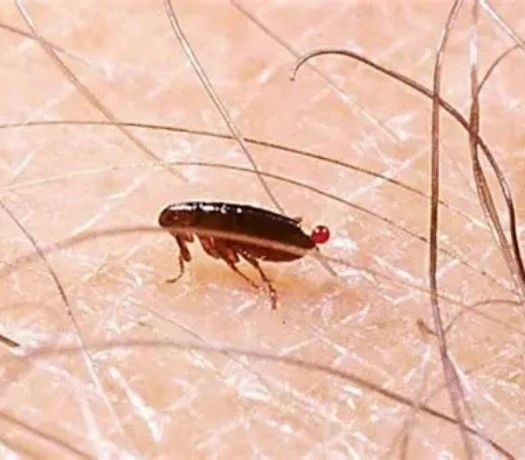
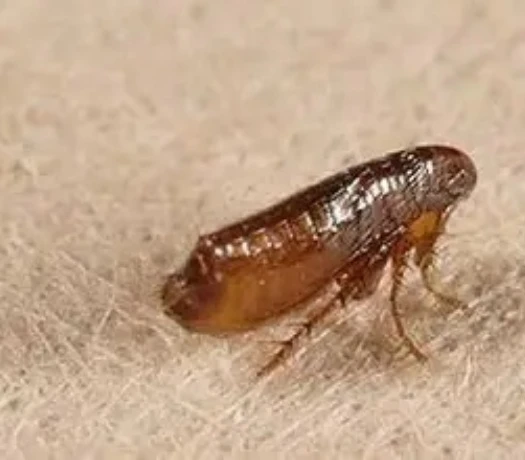
Touching treated skin kills feeding parasites. Adult fleas lose nervous system control within hours after exposure, and ticks become paralyzed before they can disseminate illness. This fast action protects cats against flea-borne Lyme disease, ehrlichiosis, and typhus. Touch killing kills parasites before they consume the poisons, unlike systemic therapies.

Environment affects product lifespan. Swimming or bathing your pet often may reduce surface concentrations, causing protection to wear off quicker. Indoor pets who seldom go outdoors remain safe for lengthy periods of time. To continue effective during heavy parasite seasons, vets recommend reapplying it monthly.
Fipronil Spot-On and Its Action on Parasite Chloride Channels
The chemical target of fipronil spot-on is in the chloride channel design of the arthropod nervous system. These channels control the flow of electrical messages between neurons, which controls how we move, eat, and do other important things. The chemical only attaches to gamma-aminobutyric acid (GABA) receptors and glutamate-gated chloride channels, which are structures that are very different in mammals and invertebrates.

The molecule blocks the usual flow of chloride ions across nerve cell membranes when it binds to these receptors. When this blockade happens, it throws off the delicate balance of signals that control parasite behavior. Fleas and ticks that are affected have neurons firing out of control, which causes them to become overly excited and then paralyzed. Multiple physiological systems are affected at the same time, which makes resistance development harder than with compounds that only target one pathway.
The nervous systems of mammals have various chloride channel subtypes that are structured in different ways. The blood-brain barrier keeps the central nervous system of dogs and cats even safer.
Veterinary pharmacology journals have published research that confirms the compound has selectivity ratios greater than 100-fold between receptors in insects and mammals. This choice is what accounts for the good safety profile seen in clinical studies with millions of pets that were treated.
The way parasites work makes them more vulnerable to chloride channel disruption. Arthropods depend on exact nerve control to move across the fur and skin of their hosts. Even small problems with signal transfer make it harder for them to find their way, eat, and breed. Because the substance stays on the skin's surface for a long time, parasites have to deal with lethal amounts before they can find a place to feed. This stops both short-term pain and the spread of disease over time.
What Makes Fipronil Spot-On Effective for Ectoparasite Control?
Multi-Life Stage Activity
The chemical affects parasites at different stages of development, getting rid of current infestations and stopping the population from growing again. Flea adults die when they come into contact with humans, but flea larvae in a pet's surroundings get small amounts of poison from skin scales and other debris that they shed. This pollution stops the flea life cycle between the egg and larval stages, so you don't have to treat each area separately. Ticks in both their nymphal and adult stages are vulnerable, which increases the range of protection.
Flea eggs that are laid on pets that have been treated don't hatch properly because of leftover compound transfer.


Lab tests that measure the effects of ovicidal agents show that they significantly lower the survival of eggs compared to control groups that were not treated. This stops reproduction in addition to killing adults, which speeds up the removal of the problem. Within two weeks of starting treatment, pet owners often see a big drop in the number of fleas. This is because the treatment breaks the fleas' life cycle.
Resistance Management Profile
Compared to other types of insecticides, its effectiveness has stayed pretty stable over decades of use. The multi-target mechanism that uses both GABA and glutamate channels makes it harder for resistance to develop genetically.
To survive contact, parasites would need to have mutations that affect multiple types of receptors at the same time, which doesn't happen very often in field groups. Veterinary entomologists who study resistance trends only find a few cases of treatment failures, not common ones.
Because each compound has its own binding site, cross-resistance with other compound classes is still limited. It is common for populations that are resistant to pyrethroids, organophosphates, or carbamates to still be fully susceptible to phenylpyrazole chemicals. Because of this, fipronil spot-on formulations are good rotation partners in programs that manage parasites as a whole. When veterinarians are trying to get rid of tough infestations,
having a variety of chemicals that work in different ways is helpful.
Environmental Persistence Characteristics
The compound's moderate persistence in animals that have been treated strikes a balance between how long it works and how long it stays in the environment. Photodegradation breaks down leftovers that are exposed to sunshine, which keeps them from building up outside. Because of worries about aquatic toxicity, cats that have been treated should not swim in sensitive water bodies right after the treatment. Labels on products give clear instructions on how long to wait before letting water touch them.
While the compound stays on pet hair and skin and doesn't spread to furniture, it does cause some contamination in indoor environments.When you vacuum, you get rid of the leftovers that shed hair leaves behind, which makes normal housekeeping easier. The low volatility keeps the compound from spreading out in the air, keeping it concentrated where it can do its therapeutic work. Regulatory agencies do environmental risk studies that support approval when used as directed on the label.
Understanding the Neurophysiological Mechanism of Fipronil Spot-On
Receptor Binding Kinetics
Certain amino acid residues in the receptor's binding site allow the molecule and chloride channel proteins to connect. X-ray crystallography studies show how the structure of the chemical fits with these receptor regions, making stable connections that last even when the body's normal processes occur. The binding preference is higher than that of natural neurotransmitters, which means that the substance beats out natural signaling molecules.
When the molecule binds, it changes the shape of the channel protein in a way that keeps it closed. On one side of the nerve cell membrane, chloride ions build up, while on the other side, they decrease.


This causes an electrical imbalance. These imbalances stop signals from traveling normally along neural pathways, which stops the coordinated function of the nervous system. The process can't be undone during the parasite's lifetime, so it kills it instead of just temporarily immobilizing it.
Signal Transduction Disruption
In addition to blocking channels directly, the compound also affects signaling chains that are controlled by chloride flux. Chloride channels must work properly for calcium signals, cyclic nucleotide pathways, and protein phosphorylation events to happen.
When these connected systems are harmed, it sets off a chain of failures that affect parasites' metabolism, reproduction, and immune responses. The effect on multiple systems explains why the arthropods that are harmed can't find other ways to make up for it.
Insect nerve systems don't have the redundant parts that human neural networks do. A lot of the time, single receptor populations handle important tasks without any backups. Targeting these weak points with the compound increases its effect while reducing the dose needed to be effective. This effectiveness helps explain why target animal species have good safety margins.
Metabolic Transformation Differences
In mammals, liver enzymes quickly break down absorbed compounds into inactive metabolites that are then flushed out of the body through normal clearance routes.


Cytochrome P450 systems, which work especially well in dogs and cats, break down the molecule within hours of it being absorbed by the body. Because parasites don't have these complex detoxifying systems, they are exposed to high levels of active compounds for long periods of time.
The skin application method further reduces the amount of contact that pets get to their whole bodies. Because transdermal absorption is very low, blood levels stay very low even when the right dose is used. What little absorption does happen is quickly broken down by the liver, so it doesn't build up.This pharmacokinetic profile helps make it possible to use higher surface concentrations without getting sick, which increases the number of parasites that are killed.
From GABA-Gated Channels to Parasite Control With Fipronil Spot-On
Comparative Receptor Pharmacology
The structure of crustacean and human GABA receptors is different because they evolved in different ways over hundreds of millions of years. Different types of invertebrate receptors have different subunit compositions and binding pocket geometries. These differences make it possible to target specific bug species with compounds that don't hurt useful insects or animals that are being treated. Scientists can guess how selective a compound will be before they actually make it using molecular modeling.
Another place where things start to differ is with glutamate-gated chloride channels. Mammals don't have any of these receptor types in their nervous systems.

Instead, they use a different family of receptors to send excitatory signals. Arthropods use glutamate to block processes through chloride-permeable channels, making a target that vertebrates don't have. Compounds that bind to these receptors are naturally selective, which isn't possible with targets that are found in all animal worlds.
Clinical Translation of Mechanism
Veterinarians can predict how a treatment will work and figure out why something isn't working by understanding these molecular details. Pets that don't respond well even after the right treatment may have parasite populations that are immune and need different chemicals.
On the other hand, what seems to be biological resistance is often just application mistakes or reinfestation from outdoor sources that haven't been treated.
Combination tactics using fipronil spot-on and chemicals that target different life stages are also informed by this information. These combinations use mechanisms that work together to get rid of infestations faster and keep them from happening again. Veterinarian dermatologists who treat severe flea allergy dermatitis especially value strong adult-killing activity that kills parasites quickly.
Research Frontiers in Selective Toxicology

Researchers are still looking into the next generation of compounds, which may have even better selectivity ratios and environmental profiles.

Structure-activity relationship studies find molecular changes that make insect receptors more sensitive while decreasing mammalian binding. This process of optimization is sped up by computational chemistry, which tests thousands of virtual candidates before they are made in the lab.
Resistance tracking programs keep track of how well treatments work in the field across different areas and parasite species. When lessened susceptibility is found early on, effective management suggestions can be made before clinical failures happen to a lot of people. These attempts to keep an eye on things protect the usefulness of current compounds and help set goals for developing new mechanisms.
Conclusion
The science behind fipronil spot-on shows how to cleverly take advantage of basic differences in how bugs and pets' brains work. These formulas effectively control ectoparasites while maintaining safe levels by targeting chloride channels that are only found in arthropod nerve systems. The substance has a long history of use in veterinary parasitology because it works on multiple targets, has good bioavailability, and has been shown to work well in the field.
Pet owners should know that this therapeutic treatment works by interacting with molecules in a very specific way, rather than being harmful to all living things. The structure of the substance is the result of many years of studying selective toxicology and comparative neuroscience. In the future, as parasite populations change and environmental concerns become more important, this mechanical basis will help guide responsible use and new ideas for protecting the health of companion animals.
FAQ
1. What makes fipronil spot-on safer for pets than for parasites?
+
-
The chemical goes after chloride channel types that are present in insect nervous systems but not in mammals' nervous systems, or are missing or built differently. In dogs and cats, the blood-brain barrier limits exposure to the central nervous system, and liver enzymes quickly break down any material that is absorbed. There are large differences between beneficial and harmful doses because of these many safety factors.
2. How long does fipronil spot-on remain effective after application?
+
-
Protection usually lasts between 30 and 60 days, but this depends on the pet's lifestyle and the environment it is in. The chemical builds up in hair follicles and sebaceous glands, making reservoirs that keep bringing more to the surface. Reapplication once a month makes sure that coverage stays the same during parasite seasons.
3. Can parasites develop resistance to fipronil spot-on treatments?
+
-
The multi-target method works on both GABA and glutamate receptors, which makes it hard for resistance to form genetically. Isolated cases of resistance happen less often than with drugs that only target one receptor. Rotation with different methods and the right way to use them will keep their long-term effectiveness.
Partner With a Trusted Fipronil Spot-On Supplier: Bloomtechz
Over 12 years of experience in organic synthesis and pharmaceutical intermediate manufacturing make Bloomtechz a reliable fipronil spot-on supplier. Our 100,000-square-meter production facilities are GMP-certified and meet US, EU, JP, and CFDA standards. This makes sure that every batch is of the same high quality. We offer customized formulas from lab scale to bulk production for 24 of the world's largest pharmaceutical and research companies. Our three-tier quality control system-factory testing, internal QA/QC verification, and third-party certification-ensures that the goods we sell will meet all of your exact requirements. Our competitive prices and clear profit structures help your business grow, whether you need API powder, ready-to-use spot-on solutions, or custom OEM/ODM formulations. Our technology team can give your veterinary product line the knowledge and reliable supply chain it needs.
Get in touch with us right away at Sales@bloomtechz.com to talk about your fipronil spot-on needs and find out how our manufacturing skills can help you stand out in the market.
References
1. Hinkle, N.C., Koehler, P.G., and Patterson, R.S. (1997). "Residential Arthropod Management: A Paradigm Shift in Pest Control." Annual Review of Entomology, 42:485-502.
2. Narahashi, T., Zhao, X., Ikeda, T., Nagata, K., and Yeh, J.Z. (2007). "Differential Actions of Insecticides on Target Sites: Basis for Selective Toxicity." Human and Experimental Toxicology, 26(4):361-366.
3. Dryden, M.W. and Rust, M.K. (1994). "The Cat Flea: Biology, Ecology and Control." Veterinary Parasitology, 52(1-2):1-19.
4. Jacobs, D.E., Hutchinson, M.J., and Krieger, K.J. (2001). "Duration of Activity of Topically Applied Fipronil Against Ixodes ricinus Ticks on Dogs." Veterinary Record, 149(26):699-701.
5. Blagburn, B.L. and Dryden, M.W. (2009). "Biology, Treatment and Control of Flea and Tick Infestations." Veterinary Clinics of North America: Small Animal Practice, 39(6):1173-1200.
6. Cole, L.M., Nicholson, R.A., and Casida, J.E. (1993). "Action of Phenylpyrazole Insecticides at the GABA-Gated Chloride Channel." Pesticide Biochemistry and Physiology, 46(1): 47-54.