


Feline Infectious Peritonitis (FIP) has been known for a long time to be one of the worst diseases cats can get. A change in the feline enteric coronavirus causes this condition, which can get very bad and cause problems like GS-441524 fip-responsive granulomatous vasculitis. When GS-441524 fip was first introduced as a treatment, it changed the field of veterinary medicine and gave people hope where other treatments had failed. To fully understand this nucleoside analog's therapeutic potential, it is important to understand how it affects the underlying mechanisms of vascular inflammation.
Granulomatous vasculitis is a major disease trait of FIP. It is marked by inflammatory sores that affect the walls of blood vessels all over the body. When cats get FIP, their immune systems make inflammatory granulomas in response to the virus replicating in monocytes and macrophages. These structures weaken the health of the blood vessels and play a part in the symptoms seen in both wet and dry forms of the disease. The use of GS-441524 fip treatment has been shown to be very effective at treating these abnormal changes where they start.
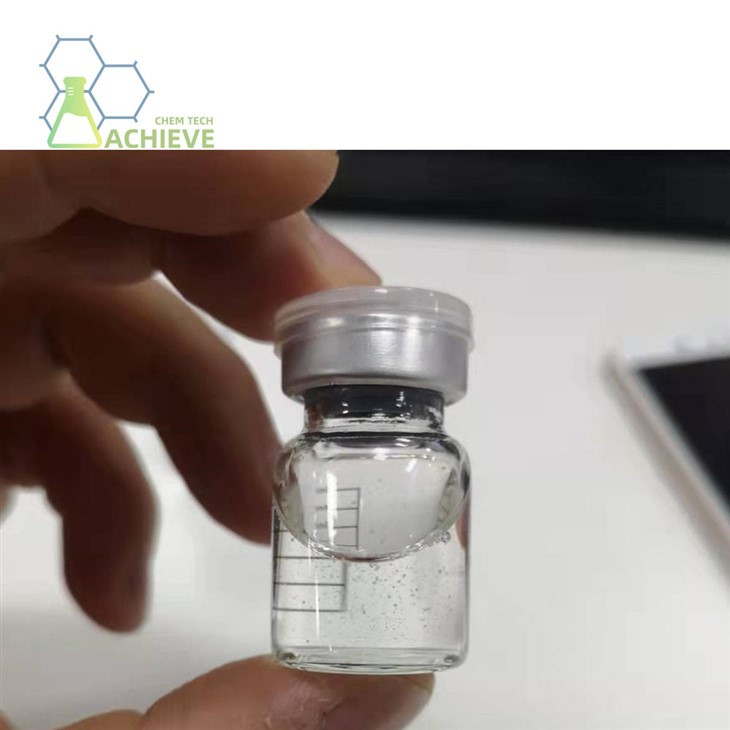
GS-441524 Fip
1.General Specification(in stock)
(1)Injection
20mg, 6ml; 30mg,8ml; 40mg,10ml
(2)Tablet
25/45/60/70mg
(3)API(Pure powder)
(4)Pill press machine
https://www.achievechem.com/pill-press
2.Customization:
We will negotiate individually, OEM/ODM, No brand, for secience researching only.
Internal Code: BM-1-001
GS-441524 CAS 1191237-69-0
Analysis: HPLC, LC-MS, HNMR
Technology support: R&D Dept.-4
We provide GS-441524 fip, please refer to the following website for detailed specifications and product information.
Product:https://www.bloomtechz.com/synthetic-chemical/api-researching-only/gs-441524-fip.html

How Does GS-441524 FIP Affect Granulomatous Vasculitis in Cats?
The main way that GS-441524 fip affects granulomatous vasculitis is through its ability to fight viruses. This is an adenosine nucleoside analogue that gets into sick cells and is phosphorylated to make its active triphosphate molecule. The substance goes after the viral RNA-dependent RNA polymerase once it is turned on. This is necessary for the coronavirus to replicate. By joining the growing viral RNA chain, GS-441524 fip stops the chain from growing. This stops the production of viruses in monocytes and macrophages that are affected.


Researchers have shown that lowering the number of viruses directly affects the level of inflammation in arterial tissues. When virus replication slows down, the amount of antigens in the body goes down, which makes the immune system less active. Monocytes and macrophages, which are where the altered coronavirus copies itself most often, have less virus activity. This lower level stops the ongoing activation of inflammatory pathways that cause granulomas to form around blood vessels.
GS-441524 fip treatment does more than just kill viruses; it also changes how a cat's immune system reacts to infections. The compound's ability to stop the replication of viruses creates an environment where the immune system stops being overly active. In studies that looked at cats that were treated, the amounts of pro-inflammatory peptides linked to granulomatous inflammation went down. As viral antigens become less common in the bloodstream, levels of interleukin-1, tumour necrosis factor-alpha, and interferon-gamma go down.


Changing how the immune system reacts is especially important for stopping the long-lasting inflammation that is a feature of granulomatous vasculitis. When the viral load stays high, infected macrophages keep showing T-lymphocytes viral proteins, which keeps the inflammation going. This cycle is broken by GS-441524 fip therapy, which gets rid of the source of antigenic stimulation. Because of this, fewer new granulomatous lesions form, and existing lesions may heal as inflammatory signals weaken.
Endothelial cells that line blood vessels are directly hurt by granulomatous vasculitis in FIP. When inflammation cells and granulomas form inside blood vessels, they weaken them. This makes them more permeable, which lets more fluid into the body spaces. Endothelial function is protected by GS-441524 fip treatment, which lowers the amount of virus and inflammatory damage to arterial tissues.


There is evidence from clinical cases that cats that are treated with GS-441524 fip no longer have the effusions that come with wet FIP. This clinical change shows that the vascular integrity has been recovered as the granulomatous inflammation goes away. The compound protects endothelial cells in a way that goes beyond just relieving symptoms right away. It may also stop long-term vascular damage that could make organs less functional even after the virus is gone.

GS-441524 FIP and Vascular Inflammation Control Mechanism
One important part in the development of FIP-related vascular inflammation is the NLRP3 inflammasome. When a virus infects the body, this group of proteins comes into action, causing inflammatory cytokines to be released that help form granulomas. Researchers have found that when macrophages get infected with the coronavirus, the NLRP3 inflammasome gets activated. This then triggers caspase-1, which processes and releases interleukin-1β.


The GS-441524 fip treatment indirectly stops the activation of the inflammasome by stopping the replication of viruses. Pattern recognition receptors that find viral parts get fewer stimulating messages when the amount of viral RNA drops. This lower level of virus recognition means that the inflammasome doesn't get put together or start working as much. As a result, the production of inflammatory mediators that cause granulomatous vasculitis decreases. This lets vascular tissues heal from damage caused by inflammation.
Macrophages can be in different functional forms. M1 macrophages cause inflammation, while M2 macrophages help fix tissue and get rid of inflammation. When there is a FIP infection, macrophages mostly change into an M1 phenotype and release inflammatory mediators that help make granulomas and damage blood vessels. The healing effect of GS-441524 fip makes it easier for macrophages to change into an M2 state.


When GS-441524 fip is used to treat viruses, the number of inflammatory signals that keep M1 polarisation going goes down. The environment around sick tissues changes from being pro-inflammatory to being healing. M2 macrophages make molecules that reduce inflammation, like interleukin-10 and transforming growth factor-beta. These help tissues heal, and granulomatous sores go away. GS-441524 fip treatment helps people heal from vascular inflammation in a very important way through this phenotypic shift.
As part of the body's natural defences, the complement system goes out of whack during a FIP infection and makes the blood vessels more inflamed. Immune complexes with viral antigens and antibodies stick to the walls of blood vessels. This sets off complement cascades that make substances that cause inflammation. This activation of complement brings more inflammatory cells to the walls of blood vessels, which keeps the granulomatous inflammation going.


By making viral antigens less available, GS-441524 fip therapy lowers the formation of immune complexes. Antigen-antibody complexes are less likely to form when there are fewer viral particles in the blood and fewer viral proteins expressed in affected cells. This lower level of immune complex formation lowers complement activation on capillary endothelium. This stops an important loop in the inflammatory process from amplifying. Vascular tissues can heal without being constantly hurt by inflammation because complement activity has gone down.

What Reduces Tissue Lesions in FIP With GS-441524 FIP?
A big part of how GS-441524 fip lowers tissue damage is by stopping the growth of viruses in many different organ systems. Malignant macrophages and monocytes spread the infection to different parts of the body, infecting organs like the liver, kidneys, central nervous system, and skin. As the immune system tries to keep the infection under control, granulomatous inflammation forms at each site where the virus copies itself.


Clinical observations show that organ function got a lot better after GS-441524 fip treatment started. When hepatic granulomas go away in cats with liver involvement, liver enzyme levels return to normal. People who have renal symptoms have better kidney function measurements. As inflammation sores go away, neurological symptoms linked to granulomas in the central nervous system may get better.
In addition to stopping the replication of viruses, GS-441524 fip treatment may also help cells that are still infected die. When viral replication stops, macrophages that contain viral RNA go through programmed cell death because the virus can't stop the host cell death pathways anymore. When diseased cells are killed by apoptosis instead of necrosis, they cause less inflammation and allow phagocytes in the area to clear the area in a controlled way.


This process is especially helpful for getting rid of established granulomas, which are made up of sick macrophages that cause inflammation. As a result of GS-441524 fip therapy, these cells die, which breaks down the structure of granulomas. Inflammatory cells get messages that help them spread, and fibroblasts may start to rebuild damaged tissues. The end result is that granulomatous tumours slowly go away and normal tissue organization is restored.

Granuloma Formation Suppression via GS-441524 FIP
For granulomas to form, inflammatory cells must constantly be drawn to places where viruses are replicating. When macrophages get infected, they release chemokines like CCL2, CCL5, and CXCL10. These chemokines bring more monocytes, lymphocytes, and neutrophils to the area. This influx of cells makes the granulomatous structure, which is made up of layers of inflammatory cells around infected macrophages in the middle.


GS-441524 fip therapy stops the production of chemokines by stopping the replication of viruses in macrophages. When the amount of viral RNA goes down, so does the activity of transcription factors that control the expression of chemokine genes. Chemokine levels are much lower in cats that have been treated than in cats that have not been treated. This lower chemokine gradient stops more inflammatory cells from coming to existing wounds and stops the growth of new granulomas at infection-scarred areas.
Matrix metalloproteinases (MMPs) play a big role in the extracellular matrix remodelling that happens during granulomatous inflammation. These enzymes break down structural proteins like collagen, which makes it easier for inflammatory cells to move around and destroys tissue. When FIP infects a cell, MMP activity goes up, especially MMP-2 and MMP-9. These enzymes break down basement membranes and let inflammatory cells enter tissues.


When you treat MMP activity with GS-441524 fip, the inflammatory signals that make these enzymes work more are lowered. The transcriptional stimulation of MMP genes reduces as cytokine levels drop. Tissue inhibitors of metalloproteinases may rise, tipping the balance even more in favour of keeping the matrix together instead of breaking it down. This normalised MMP activity keeps tissues' structural integrity and stops granulomatous lesions from getting bigger.

GS-441524 FIP and Feline Vascular Immune Response Regulation
The adaptable immune response is involved in many ways in the development of FIP. Although T-lymphocytes are supposed to protect against viruses, some T-cell responses make the disease worse in FIP. Helper T-cells make chemicals that cause granulomatous inflammation, and cytotoxic T-cells may hurt sick tissues. The result of a disease depends on the balance between T-cell reactions that protect and those that harm.


GS-441524 fip therapy changes the antigen environment, which in turn changes how T cells respond. T-cell activation gets weaker as the amount of viral antigen presented drops. Getting rid of chronic antigenic stimulation might keep T-cells from getting tired, which could help keep populations that can get rid of any remaining infection. There is some evidence that when a treatment works, regulatory T-cells become more active. These cells actively stop inflammatory responses and support immune homeostasis.
In FIP, antibody reactions are strange because antibodies can make the disease worse by making the virus more likely to spread. Antibodies that bind to viral particles may make it easier for viruses to enter macrophages through Fc receptors, which raises the number of infections. This event is one reason why some FIP cases move forward so quickly.


This loop is broken by GS-441524 fip treatment, which lowers the virus load to a point where antibody-dependent enhancement is no longer important. The boosting effect weakens as fewer virus particles are available for antibodies to bind to. The length of the treatment gives neutralising antibodies time to form, which may help get rid of the virus for good. An important part of effective treatment is the change in antibody dynamics from making the disease worse to possibly protecting against it.
The final goal of successful GS-441524 fip treatment is to get the defence system working normally again. When you have FIP, your immune system is constantly activated, and inflammatory reactions take over control processes. The immune system can't get back to homeostasis because viruses and antigens keep replicating and being presented. This keeps the destructive inflammatory cycle going.


Longer rounds of GS-441524 fip treatment give the immune system time to adjust. When viral proteins leave tissues, inflammatory signals go away, and control is regained by regulatory systems. This return to immunity balance is shown by the disappearance of granulomatous tumours. After finishing treatment, cats' immune systems show normalised amounts of lymphocytes, globulins, and acute-phase proteins, which means their immune balance has been restored.
Conclusion
GS-441524 fip treats granulomatous vasculitis in cats with infectious peritonitis at various biological levels. Stopping viral RNA polymerase immediately reduces viral replication, eliminating inflammation. Changes in cytokines, immune cells, and inflammatory pathways help tissues repair after that. The substance prevents granulomas and heals lesions, resulting in astonishing clinical improvements in treated cats.
Understanding these pathways helps veterinarians and researchers treat animals. Because GS-441524 fip operates in numerous ways, the therapy must persist long enough to eliminate the virus and repair the immune system. The chemical targets vascular inflammation and tissue lesions; hence, advanced illness cats may react effectively to therapy. Early therapy typically yields better benefits.
The discovery of GS-441524 fip treats FIP-associated granulomatous vasculitis, advancing veterinary medicine. This therapy makes a lethal condition manageable for many cats. We're studying how this molecule modifies FIP's complex pathophysiology, which might lead to further therapeutic applications.
FAQ
1. How long does GS-441524 fip treatment take to reduce granulomatous vasculitis?
+
-
Within the first few weeks of GS-441524 fip treatment, cats usually start to show clinical benefits, such as increased appetite, lower fever, and more movement. Granulomatous vasculitis, on the other hand, needs long-term treatment, which can last up to 12 weeks or longer, depending on how bad the disease is. Imaging studies and lab parameters show that the patient gets better over the course of treatment. If you stop treatment too soon, you might have a return because the virus can start replicating again and cause inflammation again. Having a vet watch over the treatment helps figure out the right length of time based on how each animal responds.
2. Can GS-441524 fip reverse existing vascular damage from granulomatous inflammation?
+
-
GS-441524 fip therapy has an amazing ability to speed up the healing process in circulatory tissues that have been damaged by granulomatous inflammation. Endothelial cells can grow back, and vascular integrity gets better as the viral load goes down and inflammatory signals stop. As vessel permeability returns to normal in cats with wet FIP, effusions go away. Even though serious fibrotic changes may last, functional healing often goes beyond what was expected based on how bad the disease was to begin with. How much reversibility there is depends on when treatment starts; in general, earlier intervention leads to better results. When treatment starts after a lot of tissue damage, organ damage that can't be fixed may happen.
3. Does GS-441524 fip work for both wet and dry forms of FIP with granulomatous vasculitis?
+
-
GS-441524 fip shows effectiveness against both wet and dry symptoms of FIP, as both forms involve granulomatous vasculitis driven by the same underlying viral replication. Wet FIP, which is marked by effusions, usually reacts quickly with a clear decrease in the amount of fluid that builds up. People with dry FIP who have organ granulomas may get better more slowly, but they do well with longer treatment courses. Neurological and eye forms, which are thought to be variations of dry FIP, can also be treated, though higher doses may be needed to reach the central nervous system. There may be differences in how to treat FIP depending on the symptoms, but the basic way it works is the same for all of its types.

Partner With BLOOM TECH as Your Trusted GS-441524 fip Supplier
BLOOM TECH is an approved GS-441524 fip source that has been making pharmaceutical intermediates and organic compounds for more than 12 years. Our 100,000-square-meter GMP-certified facilities, which have been approved by the US-FDA, the EU, Japan, and the CFDA, make sure that the quality is pharmaceutical-grade and meets the strict requirements of veterinary applications. When treating life-threatening conditions like FIP, we know how important purity, consistency, and dependability are. That's why our triple-quality analysis system guarantees products that are better than industry standards.
For your formulation development and regulatory needs, our professional team offers full technical support, detailed analytical documentation (HPLC, MS), and full CMC files. Our scalable supply chain gives you competitive prices without sacrificing quality, whether you need small amounts for research or a lot of products to be made. Twenty-four foreign pharmaceutical companies and study groups trust us as suppliers. This shows that we are dedicated to quality and dependability.
Get in touch with our team right away at Sales@bloomtechz.com to talk about your GS-441524 fip needs. We have clear prices, accurate lead times, and one-on-one service that makes the buying process easier for you. Our goal is to build long-term relationships with our customers by providing steady quality, fair prices, and quick customer service. Let BLOOM TECH become your go-to company for this important animal medicine intermediate, ensuring you are partnered with a qualified GS-441524 fip supplier.
References
1. Pedersen NC, Perron M, Bannasch M, Montgomery E, Murakami E, Liepnieks M, Liu H. Efficacy and safety of the nucleoside analog GS-441524 for treatment of cats with naturally occurring feline infectious peritonitis. Journal of Feline Medicine and Surgery. 2019;21(4):271-281.
2. Murphy BG, Perron M, Murakami E, Bauer K, Park Y, Eckstrand C, Liepnieks M, Pedersen NC. The nucleoside analog GS-441524 strongly inhibits feline infectious peritonitis (FIP) virus in tissue culture and experimental cat infection studies. Veterinary Microbiology. 2018;219:226-233.
3. Dickinson PJ, Bannasch M, Thomasy SM, Murthy VD, Vernau KM, Liepnieks M, Montgomery E, Knickelbein KE, Murphy B, Pedersen NC. Antiviral treatment using the adenosine nucleoside analogue GS-441524 in cats with clinically diagnosed neurological feline infectious peritonitis. Journal of Veterinary Internal Medicine. 2020;34(4):1587-1593.
4. Kipar A, Meli ML. Feline infectious peritonitis: still an enigma? Veterinary Pathology. 2014;51(2):505-526.
5. Hartmann K, Binder C, Hirschberger J, Cole D, Reinacher M, Schroo S, Frost J, Egberink H, Lutz H, Hermanns W. Comparison of different tests to diagnose feline infectious peritonitis. Journal of Veterinary Internal Medicine. 2003;17(6):781-790.
6. Takano T, Kawakami C, Yamada S, Satoh R, Hohdatsu T. Antibody-dependent enhancement occurs upon re-infection with the identical serotype virus in feline infectious peritonitis virus infection. Journal of Veterinary Medical Science. 2008;70(12):1315-1321.