


Many cat owners feel useless when their beloved cat starts to show signs of eye problems along with other troubling symptoms. Cats can get infectious peritonitis in their eyes, which is one of the most difficult signs of this terrible disease. Knowing how the GS-441524 injection works to treat these specific problems can give you hope and direction when you have a tough diagnosis.
Feline infectious peritonitis is still a problem for cats all over the world, and the eyes are involved in about 10–15 percent of cases. The worsening of eye complaints is often a sign of a more complicated disease that needs different treatment methods. Recently made therapeutic breakthroughs have opened up new ways to deal with these serious cases.
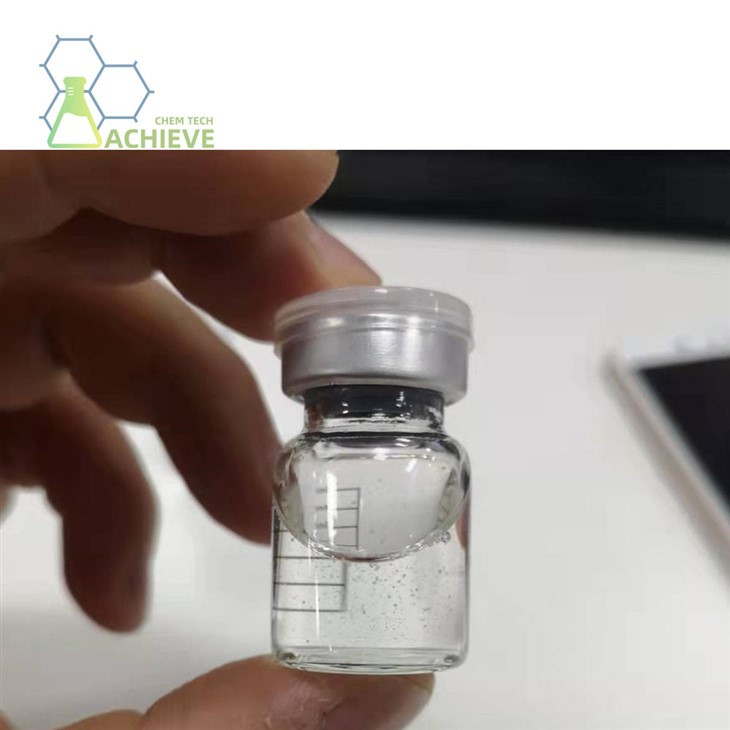
GS-441524 Injection
1.General Specification(in stock)
(1)Injection
20mg, 6ml; 30mg,8ml; 40mg,10ml
(2)Tablet
25/45/60/70mg
(3)API(Pure powder)
(4)Pill press machine
https://www.achievechem.com/pill-press
2.Customization:
We will negotiate individually, OEM/ODM, No brand, for secience researching only.
Internal Code: BM-3-001
GS-441524 CAS 1191237-69-0
Analysis: HPLC, LC-MS, HNMR
Technology support: R&D Dept.-4
We provide GS-441524 injection, please refer to the following website for detailed specifications and product information.
Product:https://www.bloomtechz.com/oem-odm/injection/gs-441524-injection.html
Due to its antiviral qualities, GS-441524 injection has changed the way cats with both overall and localized FIP symptoms are treated. It is amazing how well this nucleoside analog can get into different tissues, even the delicate structures in the eye. Cats with the disease get better in both their general health and their ability to see after the virus is targeted and stopped.

How Does GS-441524 Injection Support Ocular FIP Recovery in Cats?
GS-441524 injection helps the eyes heal in a way that involves more than one molecular process. This virus-killing substance works at the cellular level to stop the growth of viruses in affected tissues all over the body, even in specific areas like the uvea, retina, and aqueous humor.
Ocular FIP usually shows up as uveitis, which is marked by swelling, cloudiness, changes in the color of the eye, and problems with the pupil. Chorioretinitis affects some cats and can make them lose their sight if it is not handled. The coronavirus that causes FIP changes inside the cat's body, which lets it grow in macrophages and spread throughout the body, even to the eyes.


If you give GS-441524 through a subcutaneous shot, it goes through your system and to different parts of your body. Inside cells, the molecule changes into its active triphosphate form, which works like natural nucleotides. This version is accidentally added by viral RNA polymerase during replication, which stops the chain from terminating too soon and stops viral reproduction.
Clinical observations show that cats that get the right amount of GS-441524 injection often see a change in their eye problems within the first few weeks of treatment. As the virus load goes down, inflammation slowly goes away, pupil sensitivity returns to normal, and cloudiness goes away.
When vision is restored, it often comes with other body overall changes, like a lower fever, a bigger appetite, and more energy.
The success of treatment rests on a number of factors, such as how bad the eye problems were at the time of diagnosis, the stage of the disease generally, and how well the treatment is followed. When there are problems with the nervous system or eyes, veterinarians usually suggest longer treatment courses. This is because the tissues in these areas need constant antiviral pressure to get rid of all viruses.


Early Recognition and Treatment Timing
Finding eye FIP signs quickly has a big effect on how well treatment works. Cats with eye discharge, squinting, changes in their vision, or obvious redness need to see a vet right away. If you wait too long to get help, the delicate structures in your eyes could get worse over time, which could mean you lose your sight permanently even after antiviral treatment.
Confirming the diagnosis with the right tests lets treatment begin quickly.
Using the animal's symptoms and lab results to back them up, vets can come up with treatment plans that take care of both general disease and specific eye problems. Starting the GS-441524 injection earlier in the disease process is usually linked to better eye results.
Response Monitoring and Adjustment
To keep track of therapeutic response, patients must go through regular clinical tests during treatment. During follow-up visits, veterinarians check the eye's redness, intraocular pressure, retinal health, and ability to see.


These tests help doctors change the dose when they need to and also help them guess the long-term outlook for vision.
Some cats see improvements in their eyesight right away, while others need longer periods of treatment to fully recover. During the healing process, you must still be patient because tissue healing takes time, even after the virus is gone.

Eye-Related Viral Control Mechanisms of GS-441524 Injection
Understanding the specific antiviral processes at work in eye tissues can help you figure out how well a drug is working. The GS-441524 injection stops virus RNA-dependent RNA polymerase, which works in all infected organs. However, because the eye is so different, there are some things that need to be kept in mind.The blood-ocular barrier controls the flow of substances between the bloodstream and the areas inside the eye, just like the blood-brain barrier does. Many medicines have trouble getting to the right amounts in the eye because of this protective process.Because of how its molecules are made, GS-441524 can get deep enough into these areas to start working against viruses.


Infected eye cells change GS-441524 into its active form through a process called enzyme phosphorylation. The triphosphate form that is made fights with natural adenosine triphosphate to join virus-RNA chains that are just starting to form. When the viral polymerase adds this nucleoside mimic to the growing chain, it can't keep going, so the viral genomes are unfinished and don't work.
Inflammatory Cascade Interruption
In addition to directly fighting viruses, stopping them from replicating in eye cells also lowers the inflammatory reaction that causes a lot of the damage that can be seen.
A big part of FIP disease is immune-mediated inflammation, which happens when sick cells release chemicals that hurt nearby tissues.The GS-441524 injection lowers the antigenic trigger that causes inflammation by stopping the growth of viruses. By doing this, the inflammation processes can slowly go away, which makes the eyes look and work better. Less inflammation in the aqueous humor returns clarity, and less inflammation in the blood vessels makes the blood flow to the eye better.


Cellular Protection and Repair
Stopping the virus from doing more damage protects the healthy cells that are still there and lets the body's natural repair systems work. Once retinal cells are damaged, they can't grow back as quickly. This is why stopping viruses early is so important for protecting eyesight. The antiviral defense that long-term GS-441524 injection treatment provides makes conditions good for any kind of healing that might be possible.

Can GS-441524 Injection Improve Vision-Related FIP Symptoms?
Vision loss in people with FIP is caused by a number of unhealthy processes, such as inflammation, bleeding, retinal separation, and direct viral cytopathic effects. How much these changes can be undone by GS-441524 injection depends on how much lasting damage was already there when the treatment started.
Cats whose eye problems started recently usually get better more quickly than cats whose problems have been going on for a long time and are getting worse. Most of the time, treatment is enough to clear up the inflammatory cloudiness in the anterior chamber, making it clear and comfortable again. Even after the virus is gone, changes in the color of the iris may not go away. This is because of lasting changes in the way tissues are colored, not because of an ongoing disease.


When the retina is involved, the prognosis is more complicated. When treated, mild to moderate chorioretinitis often gets a lot better, allowing people to see normally again. If the retina tears or bleeds in a large area, the person may lose their sight permanently, even if the disease is controlled at the general level. Getting an eye test helps you set realistic goals for your potential for vision recovery.
Clinical studies show that many cats with ocular FIP show significant improvements in behaviors connected to their eyesight while they are being treated. Owners say their dogs are better able to find their way around, follow moving items, and react to visual cues. The objective results of a veterinary ophthalmologic examination match these practical gains.
Measuring Visual Recovery
To judge vision change, you need to do both a clinical test and watch how people use their new vision. Veterinary ophthalmologists use special tools to check the structure of the retina, the pressure inside the eye, and the brightness of the anterior chamber. Glare reaction, watching behavior, and the ability to find your way around are all useful ways to tell if your vision is working.
Keeping track of the results at the start of treatment lets you compare them later on, which can show small changes that might not have been seen otherwise. Over time, changes in inflammation, bleeding, and structural problems can be seen in photographs of the eyes.

Ocular Tissue Penetration and Treatment Response of GS-441524 Injection

The pharmacokinetic features of GS-441524 injection show how well it can reach therapeutic amounts in different parts of the eye. Nucleoside analog diffusion research shows that these substances reach detectable levels in eye tissues after being given throughout the body.
Passive diffusion across obstacles and active transport processes are used to get the drug into the eye. Different concentrations of the chemical in plasma and eye fluids cause it to move into target tissues. Regular dosing keeps the concentration gradient that is needed for ongoing eye penetration at a steady level in the plasma.The aqueous humor, which fills the anterior chamber, gets the chemical from the ciliary body vessels through diffusion.
The back part of the eye's vitreous humor hits the right level by spreading out from the retinal and choroidal veins.These patterns make it possible for antivirals to work all over the eye, fighting infections in both the front and back parts.
Dosage Considerations for Ocular Disease
Most of the time, bigger doses are used in standard treatment plans for neurological or eye FIP than for simple cases. It is usually suggested that people with eye or brain problems take 6 to 8 mg per kilogram of body weight every day, while people with simple cases should only take 4-5 mg per kilogram.


The reason for increasing the amount is to make sure that enough of the drug gets into tissue in areas with special barriers. Higher amounts in the blood create stronger gradients for moving into safe areas, which maximizes the healing benefit where it matters most.
Treatment Duration Requirements
People with ocular FIP usually need longer treatment courses, often longer than the standard 12-week minimum.
Many vets keep treating animals for 16 to 20 weeks or longer if they have problems with their eyes or brain, because the virus takes longer to leave these areas.
Stopping treatment too soon can lead to a return, especially in cases involving the eyes or the central nervous system. Following all of the protocol's instructions increases the chances of long-lasting recovery and lowers the chance of having to go back to treatment.


Veterinary Insights Into GS-441524 Injection for Eye-Associated FIP Cases

Veterinarians who have treated a lot of cases of eye FIP with GS-441524 injection report that the treatment works and the cases get better in predictable ways. When general practitioners and animal ophthalmologists work together, they can better handle these complicated situations.
The first evaluation finds out how bad the disease is at this point and writes down any specific eye problems that are seen. A thorough study of the fundus shows retinal involvement that might not be seen on a regular test. When intraocular pressure is measured, it shows that someone has glaucoma at the same time, which needs more care.
Treatment protocols incorporate GS-441524 injection with supportive measures addressing specific ocular complications. Topical anti-inflammatory drugs may help with systemic treatment by reducing pain and speeding up the healing process. Managing pain is still important because eye inflammation is very painful.
Case Management Strategies
Managing ocular FIP well involves coordinated efforts that deal with many parts of the disease. Regular tracking visits keep track of how the treatment is working and look for problems that need to be fixed.


Pet owners and medical teams should be able to talk to each other so that rules are followed, and problems are reported quickly.Based on how each cat reacts, some cats need normal procedures to be changed. Because dosing, treatment length, and supportive care measures are all flexible, they can be tailored to each patient's wants and situation.
Long-Term Prognosis
Cats that get rid of all signs of FIP, including those that show up in the eyes, usually have great long-term results.
If your vision gets better during treatment, it usually stays fixed after you finish therapy. Regular checkups with a doctor can help find any late problems, but they don't happen very often after treatment is finished.
Permanent vision loss caused by structural damage that was present before treatment began does not mean that a person cannot have a good quality of life. Cats get used to losing their sight very quickly, especially if it happens slowly and their other abilities stay the same. Supportive changes to the home help cats that are blind or vision impaired get around easily and with confidence.


Conclusion
The treatment of eye FIP is one of the best ways that GS-441524 injection technology can be used. Cats that are losing their sight and also have other health problems can now realistically expect to get better and go back to their normal lives. Veterinary professionals and pet owners can make better decisions about care when they know how this antiviral agent gets to and saves eye tissues.
To effectively treat eye-related FIP symptoms, it is necessary to quickly diagnose the condition, administer the correct dose, continue treatment for a longer time, and closely watch the patient throughout therapy. Many cats can see and feel better while they are recovering thanks to effective antiviral drugs and supporting care.
As more clinical experience with the GS-441524 injection is gained, treatment methods are being improved to get the best results in difficult cases. Cats with this dangerous disease must still be committed to finishing their full treatment sessions and following their vet's advice in order to get the best results.
FAQ
1. How quickly do ocular symptoms improve after starting GS-441524 injection treatment?
+
-
Within two to four weeks of starting treatment, most cats' eyes start to look better. Inflammation usually goes down slowly, and during this time, the cloudiness goes away, and the pain gets better. Eye problems usually go away on their own after six to eight weeks, or longer if they are very bad. As the tissues heal and the inflammation goes away completely, vision healing may continue for the whole course of treatment.
2. Can cats with severe retinal detachment recover vision with GS-441524 injection?
+
-
The chance of vision return relies on how bad the retinal detachment is and how long it has been there. Complete, long-term separations are less likely to help healing than recent, partial detachments. The GS-441524 injection treats the virus and inflammation that caused the problem, making it easier for reattachment to happen when it's possible. Some cats can see again even after having a lot of damage to their retinas, but others may have lasting problems even if the disease is controlled.
3. Do cats with ocular FIP require different treatment protocols than those with other disease presentations?
+
-
When it comes to ocular FIP, cases that aren't too difficult usually need higher doses and longer treatment times. Instead of the usual amount of 4-5 mg per kilogram, veterinarians often suggest 6-8 mg per kilogram per day. Treatment rounds usually last between 16 and 20 weeks, or even longer, to make sure that all of the virus is gone from the eye cells. For these tough cases, the best results come from close tracking and possibly changing the plan based on how each person responds.

Partner with BLOOM TECH for Premium GS-441524 Injection Supply
BLOOM TECH stands as a reliable source for GS-441524 injection supply, and they have been working with pharmaceutical intermediates and chemical synthesis for more than 15 years. Our production sites are GMP-certified and meet standards set by the US-FDA, the EU, and the CFDA. This means that the antiviral compounds we make for animals are of the best quality. Our advanced ERP system backs up our exact lead times and triple-layer testing methods, which give you full peace of mind about the quality of our products.
As qualified providers to 24 of the world's largest pharmaceutical companies, we know how important it is for life-saving treatments like GS-441524 injection to have stable quality and on-time delivery. Because we want to build long-term relationships with you, we put your success first by providing quick technical help and solutions that are tailored to your needs.
Contact our team at Sales@bloomtechz.com right away to talk about your GS-441524 injection needs and find out how BLOOM TECH can help your pet pharmacy supply chain with top-notch quality and service.
References
1. Pedersen NC, Perron M, Bannasch M, Montgomery E, Murakami E, et al. Efficacy and safety of the nucleoside analog GS-441524 for treatment of cats with naturally occurring feline infectious peritonitis. Journal of Feline Medicine and Surgery. 2019;21(4):271-281.
2. Dickinson PJ, Bannasch M, Thomasy SM, Murthy VD, Vernau KM, et al. Antiviral treatment using the adenosine nucleoside analogue GS-441524 in cats with clinically diagnosed neurological feline infectious peritonitis. Journal of Veterinary Internal Medicine. 2020;34(4):1587-1593.
3. Murphy BG, Perron M, Murakami E, Bauer K, Park Y, et al. The nucleoside analog GS-441524 strongly inhibits feline infectious peritonitis virus in tissue culture and experimental cat infection studies. Veterinary Microbiology. 2018;219:226-233.
4. Krentz D, Zenger K, Alberer M, Felten S, Bergmann M, et al. Curing cats with feline infectious peritonitis with an oral multi-component drug containing GS-441524. Viruses. 2021;13(11):2228.
5. Tasker S. Diagnosis of feline infectious peritonitis: update on evidence supporting available tests. Journal of Feline Medicine and Surgery. 2018;20(3):228-243.
6. Addie D, Belák S, Boucraut-Baralon C, Egberink H, Frymus T, et al. Feline infectious peritonitis: ABCD guidelines on prevention and management. Journal of Feline Medicine and Surgery. 2009;11(7):594-604.