


Scientists around the world are still looking for new and interesting ways to study viruses, especially after SARS-CoV-2 caused problems that had never been seen before. One of the substances that is getting a lot of attention is the GS-441524 injection, which is a nucleotide analogue that was first made for use in animals but is now showing amazing promise in coronavirus studies in general. Researchers have found that this new chemical has helped them learn more about how viruses replicate and come up with better ways to treat RNA viruses.
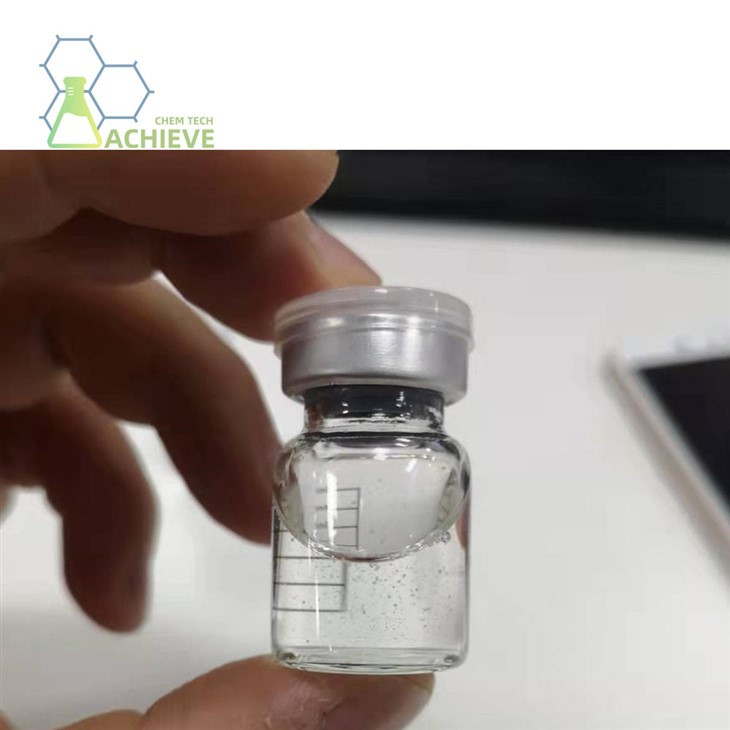
GS-441524 Injection
1.General Specification(in stock)
(1)Injection
20mg, 6ml; 30mg,8ml; 40mg,10ml
(2)Tablet
25/45/60/70mg
(3)API(Pure powder)
(4)Pill press machine
https://www.achievechem.com/pill-press
2.Customization:
We will negotiate individually, OEM/ODM, No brand, for secience researching only.
Internal Code: BM-3-001
GS-441524 CAS 1191237-69-0
Analysis: HPLC, LC-MS, HNMR
Technology support: R&D Dept.-4
We provide GS-441524 Injection, please refer to the following website for detailed specifications and product information.
Product:https://www.bloomtechz.com/oem-odm/injection/gs-441524-injection.html
Understanding how antiviral chemicals stop viruses from copying themselves is still an important part of being ready for a pandemic. Scientists from all over the world are looking into how nucleotide substitutes, such as GS-441524 injection, affect viral enzymes, especially the RNA-dependent RNA polymerase that coronaviruses need to replicate. The results of these studies gave us important information that helped us make the next generation of antiviral medicines.
Compounds like GS-441524 injection are useful for research because pharmaceutical research organizations and university institutions work together to study the coronavirus. These studies shed light on the structural weaknesses of coronaviruses and help us come up with ways to fight new and existing viral risks.

How Does GS-441524 Injection Contribute to SARS-CoV-2 Studies?
Understanding Viral RNA Polymerase Inhibition
Researchers are able to see how vulnerable the coronavirus is by looking at how GS-441524 injection works. This chemical works as a ribonucleoside analogue and is changed into its active triphosphate product by enzymes once it gets inside cells. The product then gets in the way of the viral RNA-dependent RNA polymerase, which is the enzyme that copies the viral RNA.Researchers in the lab have shown that GS-441524 injection can stop SARS-CoV-2 from infecting different types of cells, but only at certain doses.


Researchers using Vero E6 cells, which are a common model in virology studies, saw a big drop in viral replication when this substance was added to the cells.Scientists can learn more about the conditions and amounts needed for antiviral action by looking at patterns of inhibition like these.
The most important thing about these results is that they help us understand how coronavirus polymerases have stayed the same over time. Because SARS-CoV-2 is structurally similar to other coronaviruses, like SARS-CoV and MERS-CoV, substances that work against one coronavirus should usually be looked into against others as well. Researchers use this cross-reactivity concept to help them come up with broad-spectrum antiviral tactics.
Cell Culture Studies Revealing Antiviral Potential
We now know more about how the GS-441524 injection works in different types of tissues thanks to studies using different cell lines. Researchers have looked at how this chemical works in human lung epithelial cells and intestinal cell lines in addition to normal Vero E6 cells. These different cellular models help figure out how antiviral drugs might work in real human tissue.Researchers have shown that the substance can lower the amount of viruses in a number of different infection models.


When cells are pre-treated or co-treated with GS-441524 injection during viral exposure, tests show that the number of viral RNA copies and the number of active viral particles produced go down. These measurable results give us the information we need to figure out how useful a therapy might be.
The pharmacological profile that comes out of these cell studies can help with dose and time of treatment. Understanding how cells take in substances, change their metabolism, and keep their antiviral effect for a long time helps researchers make better testing plans and guides practical research efforts.

GS-441524 Injection and Coronavirus Replication Research
Decoding the Replication Cycle Interruption
Coronavirus replication is a complicated process with many steps that starts with entry of the virus and ends with release of new viral particles. The GS-441524 injection goes after a very important part of this cycle: making new virus RNA. This compound makes it harder for viruses to copy their DNA correctly by fighting with natural nucleotides for space in growing RNA chains.Studies that looked at the exact point of involvement found that the substance stops the chain too early during the synthesis of RNA.


When the viral polymerase adds the GS-441524 injection's product instead of a natural nucleotide, the RNA chain that forms can't keep growing properly. This chemical sabotage stops the virus from spreading.
Comparative studies of different coronavirus types have shown that the polymerase active site stays the same. The fact that the GS-441524 injection works against different types of coronavirus says that the binding pocket and catalytic process are very similar across the coronavirus family. Because of this, the polymerase is a good target for developing broad-spectrum antivirals.
Animal Models Demonstrating Protective Effects
A very important step in antiviral studies is applying what we learn from cell cultures to real live things. Scientists have used transgenic mouse models that have been modified to produce human ACE2 receptors. This makes the mice susceptible to SARS-CoV-2 infection. With these models, antiviral substances can be tested carefully in a full biological system.Experiments with giving GS-441524 injections as a preventative measure have shown promising results.


Researchers saw a lot less virus in the lungs of mice that were given the substance before they were challenged with a virus compared to controls that were not treated. A histopathological study showed that the treated animals had fewer inflammatory infiltrates and less serious tissue damage.
In these animal studies, the time of the action seems to be very important. Treatment that started soon after the infection contact worked better than treatment that was given later. These time connections tell us a lot about healing windows and how important it is to act quickly when someone has a virus.

Exploring Antiviral Pathways Through GS-441524 Injection Science
Metabolic Conversion and Cellular Activation
Several enzymes are needed for the GS-441524 injection to go from being a substance that is injected to an active antiviral drug. Researchers can improve compound design and identify differences in reaction between individuals by understanding this bioactivation process. Certain cellular kinases are needed to change phosphate to monophosphate, diphosphate, and finally triphosphate.Scientists who study these metabolic changes have found that different types of cells convert energy in different ways.


The active triphosphate molecule is more likely to be made by cells that have a lot of nucleotide salvage pathway enzymes. This cellular metabolism changes the quantity that is needed to stop the growth of viruses.
How long the antiviral effect lasts is also affected by how stable the active chemical is inside cells. Studies that looked at the intracellular half-life showed that the triphosphate form keeps concentrations at a good level for a long time. This means that lower doses might be needed to get long-lasting antiviral effects. When designing dosing plans for experiments, these physiological factors are taken into account.
Selectivity and Host Cell Safety Profiles
Differentiating between effects on virus replication and possible effects on host cell function is an important part of any antiviral study. A lot of research has been done on the GS-441524 injection to see why it works better with virus polymerases than with human DNA and RNA polymerases. The therapeutic index, or the range between amounts that work and those that are harmful, is based on this sensitivity.Researchers who compared how well the substance binds to viral and human polymerases found that it binds more strongly to the viral enzyme.


The selectivity comes from small molecular changes in the active sites of human and viral polymerases. The structure of the virus enzyme makes it easier for the changed nucleotide to fit than human polymerases do.
Cellular toxicity tests were done on different types of human cells to see if GS-441524 injection affects regular cell functions at levels that stop the replication of viruses. Most of the time, these tests check how many cells are alive, how fast they divide, and how active their metabolism is. The results mostly show a good safety margin, with cytotoxic effects only happening at doses much higher than those needed for antiviral action.

Broad RNA Virus Investigations Involving GS-441524 Injection
Cross-Family Viral Susceptibility Studies
The structure of GS-441524 injection, which is a nucleotide derivative, shows that it might work on viruses other than coronaviruses. Scientists have looked into whether this chemical can stop other RNA viruses that use the same replication machinery from replicating. These comparison virology studies help us learn more about the compound's range of effects.The results of studies looking into linked viral groups have been mixed, but they are still useful.


Others are still not affected by GS-441524 injection, even though some RNA viruses with structurally similar polymerases are. These patterns help scientists figure out the exact molecular features that make a molecule susceptible and help them make better copies.
When it comes to fighting new infectious diseases, the idea of broad-spectrum antiviral medicines is very appealing. Compounds that work against multiple virus families could give us quick ways to fight new diseases. The study of GS-441524 injection helps with this approach for being ready by making clear the molecular needs for blocking polymerase in different types of viruses.
Resistance Development and Genetic Barrier Studies
An important part of developing new medicines is figuring out how viruses might become resistant to antiviral chemicals. In serial passage studies, viruses are frequently exposed to suboptimal concentrations of GS-441524 injection, and any mutations that develop that give resistance are then looked for.These evolutionary studies have found certain amino acid sites in the virus polymerase that lose their ability to bind compounds when they are changed.By drawing these resistance spots, we can learn more about how the drug and its target interact at the molecular level.


It's interesting that many changes that cause resistance also make it harder for viruses to replicate, which suggests that the chemical is going after a part of the enzyme that can't do its job.
Long-term treatment success depends on the genetic barrier to resistance, which is the number and type of changes that are needed for resistance to show up. Compounds that need more than one mutation at the same time to become resistant are more difficult to work with than compounds that only need one mutation to become resistant. Studies that describe the resistance profile of the GS-441524 injection help doctors come up with combination treatment plans that might stop resistance from happening.
Future Coronavirus Discoveries Connected to GS-441524 Injection
Combination Therapy Research Directions
Combination approaches that attack multiple places in the viral lifecycle are becoming more and more important in modern antiviral tactics. Scientists are looking into how GS-441524 injection might work better with other antiviral drugs that work in different ways. The goal of these combination studies is to find pairs that work together to make impacts stronger or more powerful.Combinations with protease inhibitors, which stop virus polyproteins from being cut into useful parts, have been looked at in preliminary studies.


In some tests, treating cells with both GS-441524 injection and protease inhibitors at the same time stops viruses more effectively than either substance does on its own. Because these compounds work together, smaller amounts of each one might be possible, which could lower side effects.
Immunomodulatory drugs that help control the overactive inflammatory reactions that can happen with severe coronavirus infections are another potential way to put these two together. By combining the direct antiviral action of the GS-441524 injection with immune system support, researchers hope to deal with both the virus's ability to replicate and the human immune system's lack of control, which makes the disease worse.
Structural Optimization and Next-Generation Analogues
What we learn from studying GS-441524 injection helps us make better nucleotide analogs that have better features. To find out which molecular properties are most important for antiviral action, cellular uptake, metabolic stability, and safety, medicinal chemists look at the links between structure and activity.Pharmacological qualities can be changed by changing the ribose sugar molecule, the nucleobase, or the phosphate group. Some changes are being made to improve oral bioavailability, since the present study substance has to be injected.


Others try to improve the process of changing the form inside cells to the active triphosphate form or make it easier for virus polymerases to do their job.
These efforts to improve things use computer models to guess how changes in the structure will affect how it binds to the viral polymerase. Molecular dynamics models show how possible molecules fit into the active site of an enzyme and find changes that are likely to make these interactions stronger. This method to rational design speeds up the search for better antiviral options.
Preparedness for Emerging Coronavirus Threats
There are still risks of future pandemics within the coronavirus family. Bats and other animal sources hold different types of coronaviruses that can sometimes spread to people. Research tools like the GS-441524 injection help people get ready for pandemics by showing that polymerase blocking methods work.
Having tested study compounds on hand speeds up the review of possible therapeutic methods when new coronaviruses appear. Scientists can quickly check to see if known polymerase inhibitors work against the new virus. This buys time that can be used to develop more specific treatments. This ability to act quickly rests on keeping strong antiviral research projects going during times when there aren't any pandemics.
International teams of researchers are putting together libraries of well-studied antiviral chemicals that work in a known way. As part of this system for preparation, GS-441524 injection and similar nucleotide analogues are used. Scientists can make plans for dealing with future threats by figuring out how these chemicals work against current coronaviruses.

Conclusion
The current study of the GS-441524 injection in SARS-CoV-2 research shows how important basic antiviral science is for solving health problems around the world. Scientists have shown through careful studies in cell cultures, tests with animals, and molecular mechanism research how nucleotide substitutes can stop the coronavirus from replicating. These results add to the body of information that supports the development of antiviral therapies.
Academic schools, pharmaceutical research organizations, and specialty suppliers that provide high-quality research compounds must continue to work together for research to move forward. Compounds like GS-441524 injection are studied to help make smarter drugs, come up with better ways to treat multiple conditions at once, and get ready for pandemics. As scientists learn more about how the coronavirus works, these study tools will still be very useful for finding new ways to fight viruses.
From a finding in the lab to a use in the clinic, there are many steps that need to be carefully studied and proven. Studies that look at GS-441524 injection are important additions to this range because they provide molecular insights and proof-of-concept data that will help guide the development of new therapies in the future. The information we're getting from these studies makes it easier for everyone to deal with virus threats.
FAQ
Q1: What is GS-441524 injection used for in research?
+
-
A1: GS-441524 is primarily studied as a nucleoside analog in antiviral research, including its role as a metabolite related to remdesivir and its potential activity against RNA viruses in preclinical studies.
Q2: Does BLOOM TECH provide GMP-grade manufacturing support?
+
-
A2: Yes. BLOOM TECH operates GMP-certified production sites and follows US, EU, JP, and CFDA standards with full QA/QC and third-party analytical verification.
Q3: Can BLOOM TECH support large-scale or CDMO supply needs?
+
-
A3: Yes. The company specializes in scalable supply chains, technical documentation, and customized manufacturing support for pharmaceutical companies and CDMOs.

Partner with BLOOM TECH as Your Trusted GS-441524 Injection Supplier
Shaanxi BLOOM TECH Co., Ltd. provides high-quality GS-441524 injection intermediates and related organic synthesis products designed to support advanced antiviral research, including studies related to SARS-CoV-2 nucleoside analog development. With over 12 years of expertise in fine chemicals and pharmaceutical intermediates, BLOOM TECH operates GMP-certified production sites (US, EU, JP, CFDA standards) and ensures strict multi-layer quality control through in-factory QA, internal QC, and third-party authority verification.
Our GS-441524 injection-related materials are produced under consistent batch traceability, supporting pharmaceutical companies, CDMOs, biotech labs, and research institutions with scalable supply and complete CMC documentation. We emphasize long-term cooperation with competitive pricing, stable lead times, and regulatory-ready documentation packages. For inquiries or bulk orders, please contact: Sales@bloomtechz.com to accelerate your research and sourcing needs with a trusted global supplier.
References
1. PubChem Database – GS-441524 Compound Summary (NIH/NLM)
2. Nature – Studies on Remdesivir metabolism and nucleoside analogs
3. Journal of Medicinal Chemistry – Antiviral nucleoside analog research articles
4. National Institutes of Health (NIH) – Antiviral drug development resources
5. World Health Organization (WHO) – COVID-19 therapeutic research landscape reports
6. U.S. Food and Drug Administration (FDA) – Guidance on antiviral drug development and evaluation