


If you own a dog, then you are familiar with how stubborn fleas and ticks can be. These small parasites are more than a nuisance. They are capable of transmitting severe illnesses and affecting your dog's quality of life greatly. That's why veterinary experts have devised a dual-action oral medication to treat both exterior and interior parasites in one monthly dosage.Afoxolaner and milbemycin oxime chewable tablets are among the most technically sophisticated parasite control products available for dogs today. Knowing how they function may help you make wiser choices for your pet's health - and assist veterinary distributors and procurement pros in choosing the ideal supplier for their requirements.
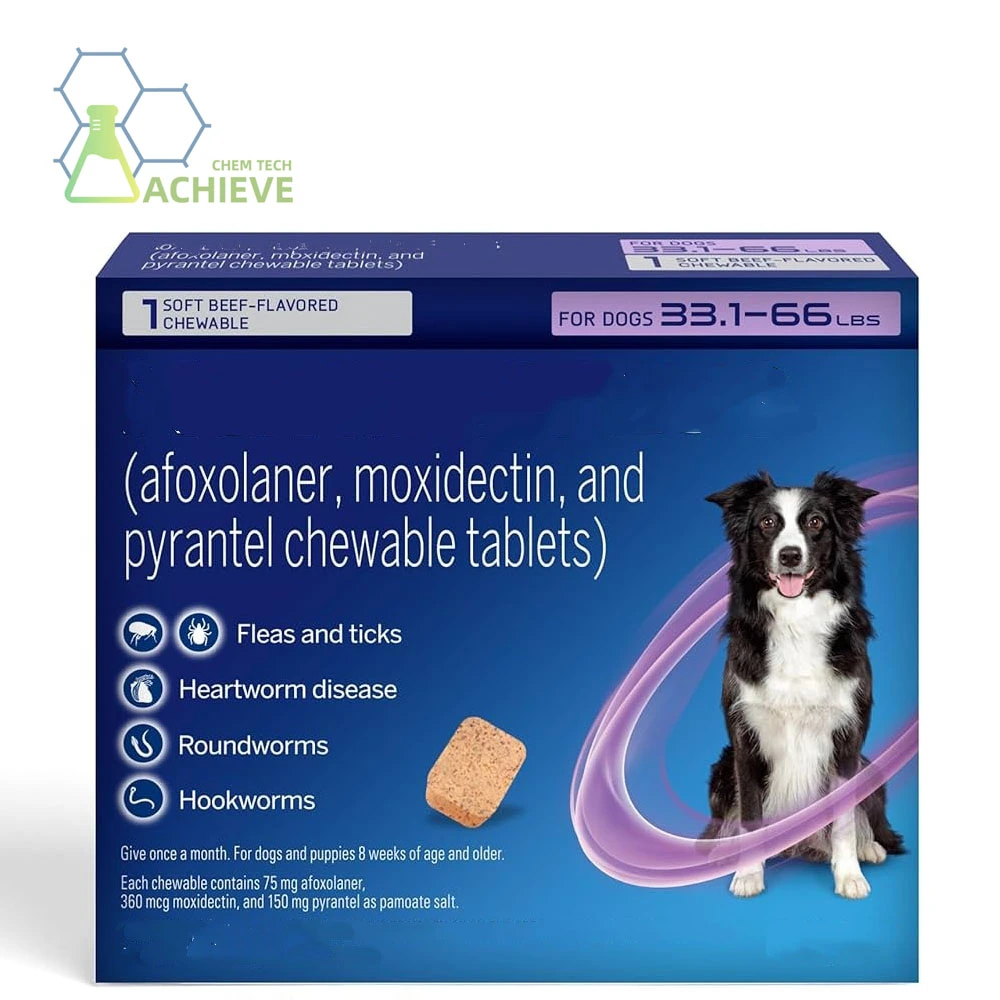
Afoxolaner And Milbemycin Oxime Chewable Tablets
1.General Specification(in stock)
(1)API(Pure powder)
(2)Tablet
9.375+1.875mg:2-3.5kg
18.75+3.75mg:>3.5-7.5kg
37.5+7.5mg:>7.5-15kg
75+15mg:>15-30kg
150+30mg:>30-60kg
(3)Ointment
2.Customization:
We will negotiate individually, OEM/ODM, No brand, for secience researching only.
Internal Code: BM-2-117
Main market: USA, Australia, Brazil, Japan, Germany, Indonesia, UK, New Zealand , Canada etc.
Manufacturer: BLOOM TECH Xi'an Factory
How Do Afoxolaner and Milbemycin Oxime Chewable Tablets Kill Fleas and Ticks in Dogs?
The Science Behind the Kill
When a dog takes an afoxolaner and milbemycin oxime chewable pill, two active ingredients start circulating in the bloodstream practically immediately. The isoxazoline moiety, afoxolaner, achieves peak plasma levels within 2 to 4 hours after dosing with an absolute bioavailability of around 88%. The macrolide anthelmintic component, milbemycin oxime, is absorbed much more quickly, reaching peak levels in 1 to 2 hours.
Fleas and ticks feeding on the dog's blood ingest afoxolaner during the feeding process. Afoxolaner acts via selective inhibition of gamma-aminobutyric acid (GABA)-gated chloride channels in the parasite.This barrier limits the passage of chloride ions across nerve cell membranes,
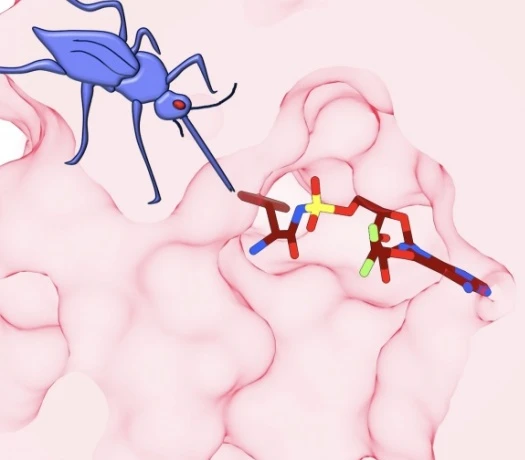
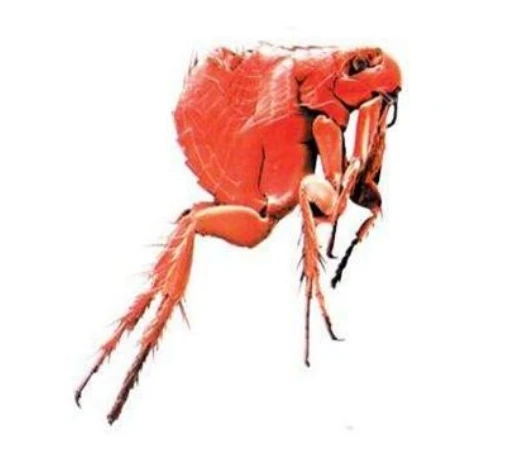
leading to uncontrolled neuronal firing, hyperexcitation, paralysis, and death of the parasite.Importantly, afoxolaner has a far greater binding affinity to arthropod GABA receptors than to mammalian GABA receptors, explaining why the molecule is fatal to fleas and ticks, although well tolerated by dogs.
Why Oral Delivery Matters
Topical spot-on treatments may wash off, have reduced effectiveness in moist environments, or not provide whole-body surface coverage. The active substance in the chewable oral tablet is distributed systemically via the bloodstream to every flea or tick that bites the dog, regardless of where it feeds. This systemic diffusion mechanism makes afoxolaner and milbemycin oxime chewable tablets especially dependable to use in high-exposure conditions such as kennels, shelters, and outdoor working-dog scenarios.
Afoxolaner and Milbemycin Oxime Chewable Tablets for Dual Parasite Control
Targeting External and Internal Parasites Simultaneously
Most traditional parasite treatments require pet owners to pick between flea and tick therapy or worm treatment. Afoxolaner and milbemycin oxime chewable pills remove such compromise. The milbemycin's oxime moiety stimulates the glutamate-gated chloride channels in the neuromuscular cells of invertebrate parasites. This activation causes hyperpolarization – an electrical "shutdown" of the muscular action of the parasite – leading to paralysis and death of internal parasites including heartworm larvae and gastrointestinal worms.
Milbemycin oxime consists of two sub-components, the A3 fraction (about 20% of the composition) and the A4 fraction (almost 80%). Each has different pharmacokinetic characteristics.
The plasma half-life of the A3 fraction is around 1.6 days, and that of the A4 fraction is about 3.3 days. Together, they provide therapeutic blood concentrations during the one-month treatment period, giving ongoing internal parasite protection between doses.
A Formulation Built for Real-World Use
The palatability of the chewable tablet form is not a mere element; it is a therapeutic benefit. Dogs that don't like the medications interrupt treatment regimens - creating gaps in protection. The bright red to reddish-brown tablet form with an attractive taste profile promotes owner compliance and helps ensure the dog gets the complete dosage.
The pill comes in five different strengths, depending on the dog's weight, from 9.375 mg + 1.875 mg for dogs weighing between 2 and 3.5 kg, up to 150 mg + 30 mg for dogs weighing between 30 and 60 kg; therefore, it may be used for almost all dog breeds.
Which Fleas, Ticks, and Other Parasites Can Afoxolaner and Milbemycin Oxime Chewable Tablets Target?
External Parasite Coverage
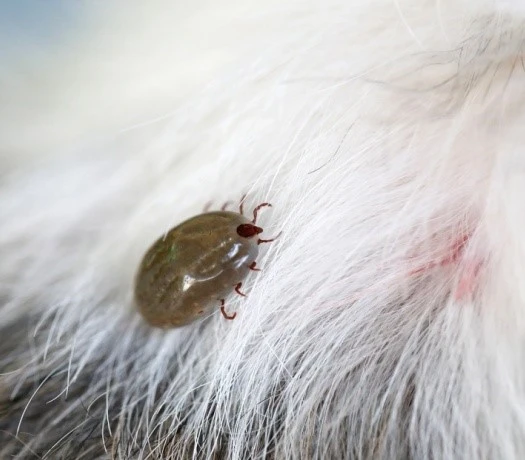
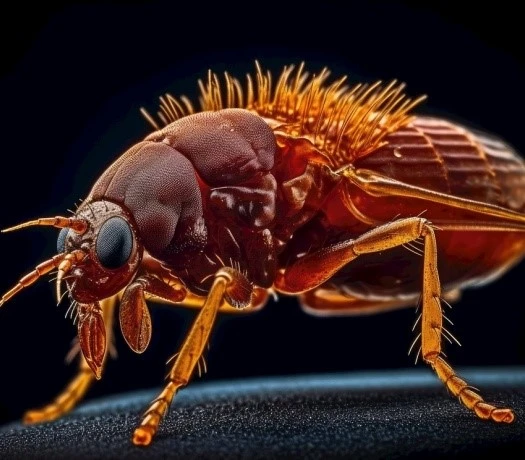
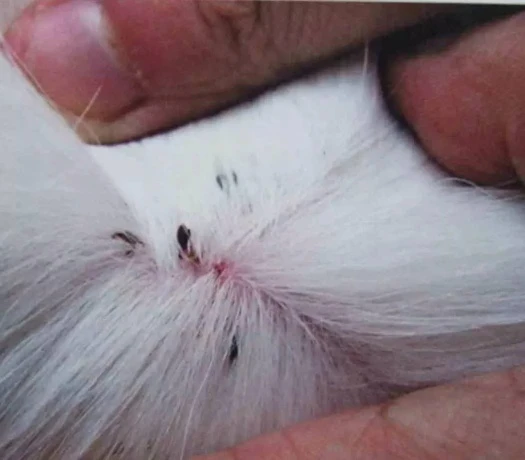
Afoxolaner and Milbemycin Oxime chewable pills provide a wide range of activity against ectoparasites. Afoxolaner is effective against the most common flea species in domestic dogs and against many species of tick, including Ixodes scapularis, Rhipicephalus sanguineus, Amblyomma americanum, and Dermacentor variabilis. Clinically, flea removal is seen within hours of the first dosage, and studies show >99% flea kill effectiveness within 24 hours after first treatment. Within 48 hours of pill therapy, tick removal effectiveness was similar.

In addition to fleas and ticks, the efficacy of afoxolaner has been shown against mites such as Sarcoptes scabiei and Demodex canis, which is significant for dogs with mange-related dermatological problems.
Internal Parasite Coverage
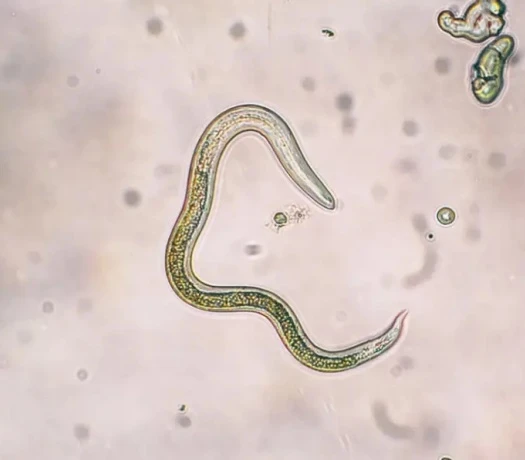
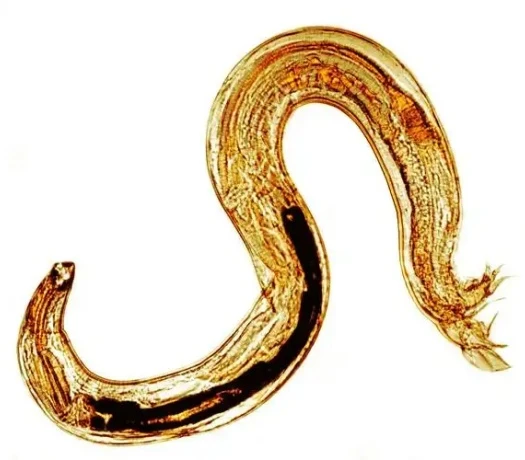
Internally, milbemycin oxime kills heartworm larvae (Dirofilaria immitis), various gastrointestinal roundworms (Toxocara canis, Toxascaris leonina), hookworms (Ancylostoma caninum, Uncinaria stenocephala), and whipworms (Trichuris vulpis). One of the most therapeutically relevant indications is for heartworm prevention in areas where exposure to mosquitoes is seasonal or year-round. Monthly treatment with afoxolaner and milbemycin oxime chewable tablets prevents the development of L3 and L4 heartworm larvae to the adult stage.
How Does Afoxolaner in Chewable Tablets Disrupt Flea and Tick Nervous Systems?
The GABA Receptor Mechanism Explained
Afoxolaner is an isoxazoline insecticide, a relatively new family of chemicals introduced into veterinary medicine in the 2010s. Its principal molecular target is the GABA-gated chloride channel, a ligand-gated ion channel in the neural systems of insects and arachnids. Under normal settings GABA binds to this receptor and opens the channel, enabling chloride ions to enter and stabilize nerve cell activity. Afoxolaner competitively inhibits this channel, preventing the ingress of chloride ions. This leads to persistent neuronal depolarization, involuntary muscle contractions, and finally lethal hyperexcitation of the neurological system of the parasite.
Selectivity and Safety in Canine Patients
Receptor specificity renders afoxolaner therapeutically attractive. Afoxolaner binds to arthropod GABA receptors with far greater affinity than to mammalian receptors. In dogs, the blood-brain barrier is also intact, limiting exposure of the chemical to the CNS. This pharmacologic selectivity underpins the high safety margin of afoxolaner and milbemycin oxime chewable tablets in dogs of all breeds and sizes, apart from Collie-type dogs with the MDR1 gene mutation in which veterinary evaluation is recommended before administration.
Monthly Parasite Protection with Afoxolaner and Milbemycin Oxime Chewable Tablets
Why Monthly Dosing Is Effective
This formulation has a pharmacokinetic profile that allows for a monthly oral dosing schedule that is consistent with the life cycle dynamics of the target parasites. Afoxolaner has a plasma half-life of around 2 weeks in dogs; therefore, therapeutic amounts are present throughout the 30-day dosing interval. The A4 fraction of milbemycin oxime has a half-life of 3.3 days, and while it is cleared more rapidly, it still provides significant coverage against developing parasite larvae in the early portion of each dosing interval.
Monthly administration helps prevent reinfestation cycles when treatment regimens lapse. If you miss a single prescription,
flea populations might return, or heartworm larvae can mature beyond the early larval stages, which are susceptible to therapy, drastically reducing the efficacy of the treatment.
Practical Dosing Guidance for Dog Owners and Veterinary Professionals
Weight-based dosage; 5 various strengths of pills for dogs from 2 kg to over 50kg. For dogs in excess of 50kg, high specification tablets may be given, calibrated to produce the required dose of 2.5 to 6.9 mg/kg of afoxolaner. May be given with or without meals. In certain pharmacokinetic investigations, bioavailability may be modestly increased by dosing after a meal. Store the tablets in the original packaging at room temperature and out of reach of children. Wash hands after handling product to avoid accidental consumption.
Conclusion
Afoxolaner and milbemycin oxime chewable tablets give a scientifically proven, dual mode of action for parasite control in dogs. This formulation combines the particular interference of afoxolaner with arthropod neurological function with the neuromuscular shutdown of milbemycin oxime inside parasites to offer a single monthly dose for treatment of the whole parasite burden. It is a versatile and reliable option for veterinary and commercial usage on oral administration, due to its systemic transport, excellent PK properties, and availability of a weight-based dose.
Frequently Asked Questions
Q1: How quickly do afoxolaner and milbemycin oxime chewable tablets start killing fleas after administration?
+
-
Afoxolaner reaches peak plasma concentration within 2 to 4 hours after oral administration. Clinical studies show flea kill rates exceeding 99% within 24 hours of the first dose, with activity beginning even faster in many cases.
Q2: Are afoxolaner and milbemycin oxime chewable tablets safe for all dog breeds?
+
-
The product is well-tolerated across most dog breeds. Dogs with the MDR1 gene mutation, common in Collie-type breeds, may experience altered drug metabolism. Veterinary assessment is recommended before use in these breeds, as well as in puppies under 8 weeks of age or weighing less than 2 kg.
Q3: Can afoxolaner and milbemycin oxime chewable tablets replace separate flea, tick, and heartworm treatments?
+
-
Yes, in most cases. The dual active ingredients address the major external parasites - fleas, ticks, and certain mites - as well as key internal parasites including heartworm larvae and gastrointestinal nematodes. A single monthly tablet can replace multiple separate parasite control products, simplifying treatment protocols.
Partner with Bloomtechz - Your Trusted Afoxolaner and Milbemycin Oxime Chewable Tablets Supplier
At Bloomtechz, we bring over 12 years of experience in pharmaceutical synthesis and veterinary active ingredient manufacturing. Our GMP-certified production facility spans 100,000 square meters and holds certifications from the US FDA, EU GMP, JP, and CFDA - giving you the regulatory assurance your markets demand. As a qualified afoxolaner and milbemycin oxime chewable tablets supplier, we offer API-grade powder, finished tablet forms, and full OEM/ODM customization across all five dosage specifications. Whether you are a veterinary distributor, wholesaler, or formulation company, Bloomtechz delivers verified quality, competitive pricing, and precise lead times backed by our ERP tracking system. Reach out today to discuss your requirements with our team.
Contact us: Sales@bloomtechz.com
References
1. Beugnet, F., & Franc, M. (2012). Insecticide and acaricide molecules and/or combinations to prevent pet infestation by ectoparasites. Trends in Parasitology, 28(7), 267–279.
2. Bowman, D. D., & Atkins, C. E. (2009). Heartworm biology, treatment, and control. Veterinary Clinics of North America: Small Animal Practice, 39(6), 1127–1158.
3. Gassel, M., Wolf, C., Noack, S., Williams, H., & Ilg, T. (2014). The novel isoxazoline ectoparasiticide afoxolaner: Synthesis, SAR and in vitro action. Veterinary Parasitology, 201(1–2), 33–47.
4. Prichard, R. K., & Geary, T. G. (2019). Perspectives on the utility of moxidectin and milbemycin oxime for the control of parasitic nematodes in the face of developing anthelmintic resistance. International Journal for Parasitology: Drugs and Drug Resistance, 10, 69–83.
5. Taenzler, J., de Vos, C., Roepke, R. K. A., Frénais, R., & Heckeroth, A. R. (2014). Efficacy of afoxolaner against Ixodes ricinus ticks on dogs. Parasites & Vectors, 7, 245.
6. Toutain, P. L., Ferran, A. A., Bousquet-Mélou, A., Lefebvre, H. P., & Concordet, D. (2017). Pharmacokinetic/pharmacodynamic modeling in veterinary medicine: Application to milbemycin oxime in dogs. Journal of Veterinary Pharmacology and Therapeutics, 40(4), 325–338.