


If you have ever seen a pet scratching and asked yourself why the issue always seems to come back, it's probably because of the flea life cycle. Compound fipronil drops are one of the most-used veterinary parasiticides in the world. Understanding how this chemistry works on both adult fleas and their eggs will help you understand why it is important, and why sourcing quality active ingredients is as important as the correct application.
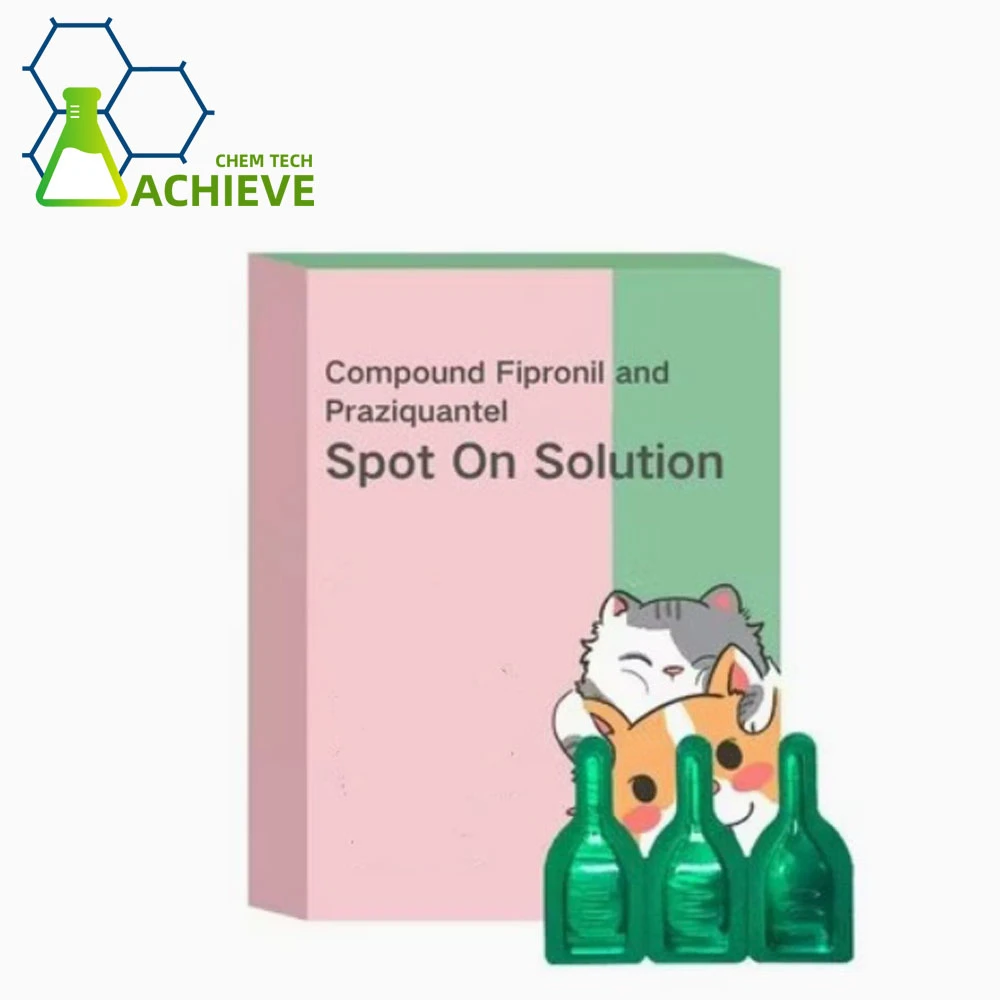
Compound Fipronil And Praziquantel Spot On Solution
1.General Specification(in stock)
(1)Solution
2.Customization:
We will negotiate individually, OEM/ODM, No brand, for secience researching only.
Internal Code: BM-9-022
Compound Fipronil and Praziquantel Spot On Solution
Main market: USA, Australia, Brazil, Japan, Germany, Indonesia, UK, New Zealand , Canada etc.
Manufacturer: BLOOM TECH Xi'an Factory
Analysis: HPLC, LC-MS, HNMR
Technology support: R&D Dept.-4
Can Compound Fipronil Drops Kill Flea Eggs and Adult Fleas?
How Fipronil Works at the Molecular Level
Fipronil is one of a class of chemicals known as phenylpyrazoles. It blocks gamma-aminobutyric acid (GABA) gated chloride channels in the central nervous system of insects, resulting in hyperexcitation of the neurons and muscles of the insect. This process is widely described in the peer-reviewed literature of parasitology and is extremely selective for the GABA receptors of invertebrates, which are physically different from those of mammals.
When compound fipronil drops are administered topically to a pet, the active material is distributed throughout the surface of the skin via the sebaceous glands.


Adult fleas that come into contact with treated skin absorb fipronil via the skin. Death and paralysis often occur within 24 to 48 hours of exposure – no bite necessary.
What Happens to Flea Eggs?
Adult female fleas exposed to fipronil prior to reproduction may transfer residual levels of the substance to their eggs. Studies published in veterinary entomology publications have shown that this may lower egg viability. However, eggs that were already in the environment prior to treatment are not directly exposed to fipronil by topical administration alone, which is why environmental management is still a concern in parallel.
How Compound Fipronil Drops Affect Different Stages of the Flea Life Cycle
Adults, Larvae, and the Pre-Adult Stages
The four stages of the flea life cycle are egg, larva, pupa, and adult. At any one moment, only around 5% of the overall flea population in a particular area will be adult fleas. The other 95% live in carpets, bedding and soil – eggs, larvae and pupae. The most significant action of compound fipronil drops is on the adult fleas, which are in direct contact with treated hosts.
Flea larvae feed on organic detritus like dried blood excrement that adult fleas leave behind. If those individuals have been exposed to fipronil, their feces may contain residual quantities of the drug, providing an indirect route that might impair larval survival.
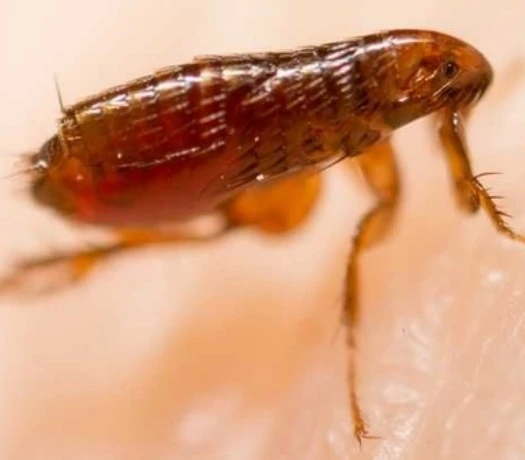
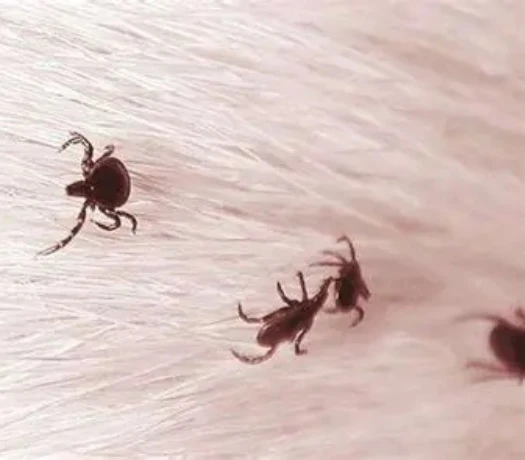
This is an important facet of the broader population-reduction plan, but not its principal mechanism of action, a secondary impact.
The Role of Combination Formulations
Many of the current compound fipronil drops on the market combine fipronil with a second active ingredient, often (S)-methoprene or pyriproxyfen, to more directly target the immature stages. (S)-methoprene is a mimic of the juvenile hormone, which inhibits the development of larvae into reproductive adults. This two-pronged attack, aimed at both the adult and developmental phases, is based on the scientific agreement that single-agent therapies are of low long-term effectiveness against established flea populations.
Compound Fipronil Drops for Flea Reproduction and Population Control
Interrupting the Reproductive Chain
A mature female flea may lay up to 50 eggs a day. Compound fipronil drops kill the reproductive adults immediately, and fresh egg production declines significantly within days after administration. Research published in the Journal of Medical Entomology found that regular monthly use of fipronil-based treatments may lower home flea loads by more than 90% over a 90-day period when re-infestation from external sources is dealt with simultaneously.
The population-level effect relies on the time and coverage of therapy. A common strategy is to treat all pets in the home concurrently, since untreated pets will act as continuous hosts for egg-laying adults.

Residual Activity and Reapplication Schedules
Fipronil has an exceptional preference to bind to lipid layers in the skin and hair follicles, and this residual action often persists for 30 days for flea control. This substantivity is a significant pharmacokinetic benefit. A regular reapplication schedule guarantees that freshly emerging adults – which may emerge from shielded pupae weeks after first treatment – meet deadly amounts before they reproduce.
Why Can Fleas Reappear After Using Compound Fipronil Drops?
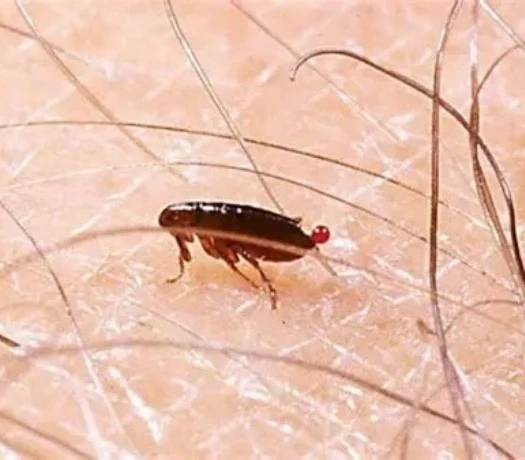
The Pupal Cocoon Problem
The pupal stage is the hardest stage in the life cycle of fleas. Pupae are encased in a sticky cocoon that sticks to carpet strands and resists mechanical removal and chemical penetration. Environmental pupae are not affected by topical use of the compound fipronil on dogs. Weeks or months later, when ambient temperature and vibration signals prompt adult emergence, those freshly born adults are not pre-exposed to fipronil. They have to find a treated host to get a deadly dosage.
This is the biological truth behind why pet owners occasionally experience flea comeback despite frequent usage of products. Not a failure of the active ingredient, but a reflection of the flea's developed survival strategy.
Outdoor Re-Infestation Pathways
Reservoirs are wildlife, stray animals, and contaminated outdoor areas. Wildlife may lay hundreds of flea eggs every day in a yard. The fipronil drops are effective in protecting the particular host but do not provide a barrier to the overall living environment. Integration of host therapy with environmental management accomplishes more comprehensive attention to this vector route.
Compound Fipronil Drops and Environmental Flea Management
Indoor Environmental Treatment Strategies
During an active infestation, frequent vacuuming of carpets, upholstery, and pet bedding speeds up the depletion of ambient egg and larvae populations. Vacuuming also creates mechanical motion that promotes pupal emergence, thereby presenting freshly emerged adults to treated dogs earlier. Washing pet bedding at high temperature removes viable eggs and larvae that survive exposure to ambient temperature.
Indoor insect growth regulator sprays supplement topical fipronil drops by addressing the environment that topical medicines cannot reach. This multimodal method is in line with integrated pest control concepts promoted by veterinary dermatological groups.

Outdoor Perimeter Control
The environmental reservoir may be greatly reduced by treatment of shady and wet outdoors where the flea larvae thrive. Various active chemistries may be formulated into yard treatments for outdoor surfaces. This perimeter method, coupled with the constant use of compound fipronil drops on all resident dogs, drastically cuts down on re-infestation cycles.
Conclusion
Fipronil drops are designed to kill adult fleas on contact and also to interrupt the reproduction cycle and reduce the flea population over time. Effective only with regular treatment, multiple pet coverage, and concurrent environmental control. Understanding the whole flea life cycle and where compound fipronil drops fits, moves you from a reactive reaction to a proactive, science-backed control approach.
Frequently Asked Questions
Q: How quickly do compound fipronil drops start killing fleas?
+
-
Adult fleas that contact fipronil-treated skin typically die within 24 to 48 hours. Visible relief from scratching behavior often appears within the first 12 hours post-application.
Q: Are compound fipronil drops safe for use on young animals?
+
-
Most formulations specify a minimum age and weight threshold, commonly 8 weeks of age and 1 kg body weight. Always review the product label and consult a veterinarian for young, pregnant, or medically compromised animals.
Q: Why do I still see fleas several weeks after applying compound fipronil drops?
+
-
Pupae protected inside their cocoons in the environment are not affected by topical treatments. Newly emerged adults from these pupae are flea-naive and must contact the treated host to be eliminated. This emergence period can span several weeks to months depending on environmental conditions.
Source Your Compound Fipronil Drops Raw Material from Bloomtechz - A Trusted Supplier
If you are a pharmaceutical manufacturer, veterinary product developer, or specialty chemicals distributor looking for a reliable compound fipronil drops supplier, Bloomtechz is ready to support your supply chain. Our GMP-certified production site has passed on-site inspection by the US FDA, PMDA, and BGV-Hamburg, Germany, and we back every shipment with triple-link quality verification - in-factory, in our QA/QC department, and through an authority agency certified in China. With over 12 years of organic synthesis expertise and 250,000+ chemical compound categories available at transparent pricing, we combine the responsiveness of a specialized supplier with the rigor of internationally certified manufacturing. Contact our team today at Sales@bloomtechz.com to discuss your specific requirements and receive an accurate quotation.
References
1. Dryden, M. W., Payne, P. A., Lowe, A., & Spiegel, R. (2005). Efficacy of fipronil-(S)-methoprene combination against Ctenocephalides felis flea infestations on cats and dogs. Veterinary Parasitology, 130(3–4), 249–255.
2. Hink, W. F., Zakson-Aiken, M., & Barnett, S. (1994). Use of a rodent model to determine the ovicidal and larvicidal activity of systemically distributed fipronil. Journal of Medical Entomology, 31(5), 670–672.
3. Rust, M. K., & Dryden, M. W. (1997). The biology, ecology, and management of the cat flea. Annual Review of Entomology, 42, 451–473.
4. Schenker, R., Tinembart, O., Humbert-Droz, E., Cavaliero, T., & Yerly, B. (2003). Comparative speed of kill between nitenpyram, fipronil, imidacloprid, selamectin, and cythioate against adult Ctenocephalides felis on cats and dogs. Veterinary Parasitology, 112(3), 249–254.
5. Mehlhorn, H., Mencke, N., & Hansen, O. (1999). Effects of fipronil on adult and larval stages of the flea Ctenocephalides felis after in vivo and in vitro application: a light and electron microscopy study. Parasitology Research, 85(8–9), 625–637.
6. Bonneau, S., Guaguère, E., & Jasmin, P. (2001). Flea allergy dermatitis and flea control: a practical approach with fipronil-based topical formulations. Pratique Médicale et Chirurgicale de l'Animal de Compagnie, 36(2), 141–148.