


When viruses put people's lives in danger, it's important to know how antiviral drugs work. GS-441524 powder has become a very useful nucleoside mimic that stops viruses from copying themselves by attacking a basic process: RNA synthesis. Because of this, it works especially well against RNA viruses like coronaviruses and feline infectious peritonitis virus (FIPV).
GS-441524 powder is very powerful because it can look like natural nucleotides while stopping viruses from making the things they need to grow. This chemical stops the production of viruses at the molecular level by blocking viral RNA-dependent RNA polymerase (RdRp) and ending chains too soon. Multiple viral strains have been shown to be effective against it in research, which makes it a good choice for both animal and possible human uses.
Researchers, pharmacists, and veterinary doctors can better understand this compound's healing potential by understanding how it stops the production of viral RNA. We will look at in more detail how GS-441524 powder works to kill viruses in the parts that follow.

GS-441524 Fip
1.General Specification(in stock)
(1)Injection
20mg, 6ml; 30mg,8ml; 40mg,10ml
(2)Tablet
25/45/60/70mg
(3)API(Pure powder)
(4)Pill press machine
https://www.achievechem.com/pill-press
2.Customization:
We will negotiate individually, OEM/ODM, No brand, for secience researching only.
Internal Code: BM-1-001
GS-441524 CAS 1191237-69-0
Analysis: HPLC, LC-MS, HNMR
Main market: USA, Australia, Brazil, Japan, Germany, Indonesia, UK, New Zealand , Canada etc.
We provide GS-441524 fip, please refer to the following website for detailed specifications and product information.
Product:https://www.bloomtechz.com/synthetic-chemical/api-researching-only/gs-441524-fip.html

How GS-441524 Powder Targets RNA-Dependent RNA Polymerase
The Central Role of RdRp in Viral Replication
RNA viruses replicate their genetic material via RNA-dependent RNA polymerase. RNA viruses contain their own RdRp enzyme, unlike DNA viruses and live cells. This enzyme reads viral RNA templates and produces complementary strands. This allows the virus to replicate its genome in infected cells.
RdRp isn't generally found in host cells, hence antivirals may function effectively. Because of this, medicines that target RdRp may attack the virus without harming normal cellular processes. The enzyme adds nucleotides to developing RNA chains at its active site. This is crucial for viral transmission.


Molecular Mimicry Strategy
The intricate chemical mimicry of GS-441524 powder fools viral polymerase by mimicking natural adenosine nucleotides. Its altered sugar molecule and nucleobase allow it to enter RdRp's active site.
In sick cells, GS-441524 is phosphorylated to generate active triphosphate. As the viral RNA chain grows, natural ATP and this triphosphate form attempt to combine. Due to its similar structures, RdRp might mistake GS-441524 triphosphate for a base.
Competitive Inhibition Dynamics
Like competitive suppression, GS-441524 powder metabolites and RdRp interact. RNA is generated by the polymerase selecting nucleotides from the cell's store based on base pairing principles. GS-441524 triphosphate competes with regular ATP now.
Virus RdRp can absorb GS-441524 triphosphate, although not as effectively as normal nucleotides, according to binding affinity measurements.


Effectiveness depends on how much drug metabolite is present relative to natural nucleotides due to this competitive interaction.Cells with more GS-441524 are more likely to integrate it into viral RNA.
That viral RdRp is more selective than cellular polymerases, affording us a significant safety cushion. Research shows that viral enzymes absorb GS-441524 powder products better than human DNA or RNA polymerases. This contributes to its excellent medicinal index.

RNA Chain Termination Mechanisms of GS-441524 Powder
Delayed Chain Termination Approach
GS-441524 powder uses a delayed termination method, which is different from other nucleoside compounds that end the chain right away. The polymerase can still add a few more nucleotides to the chain before it stops growing after RdRp adds GS-441524 to the growing RNA strand. This effect happens later because the changed sugar molecule doesn't completely stop the next event of inclusion.
Most termination occurs three to five nucleotides after the GS-441524 insertion point, according to research.


This delayed pattern hinders viral resistance via error-checking mechanisms. Some viral polymerases' exonuclease proofreading function can't locate and remove the extra copy before termination.
Structural Disruption of Viral RNA
The delayed end also allows many GS-441524 powder product molecules to join one RNA strand, increasing replication failure risk. Each integration event might cease, causing negative repercussions that develop.When GS-441524 links viral RNA, it alters the structure, affecting downstream processes. The altered nucleoside alters the RNA's local shape, which may impact its folding, stability, and function.
Viral RNA must be three-dimensional to mimic protein translation and replication.
Adding GS-441524 residues may disrupt these vital structures. Due to the C-nucleoside structure and functional group placement, synthetic and natural adenosine differ somewhat yet significantly. These structural alterations may impact how RNA interacts with viral and cellular proteins essential for virus's life cycle.
Biochemical Consequences for Viral Assembly
GS-441524 powder derivatives may alter RNA strand stability.


Some studies found that cellular RNases break down these altered RNAs faster, reducing the quantity of functioning viral genomes. In many respects, this alteration strengthens antiviral activity beyond chain breaking.Making viral RNA that is chopped off and misstructured affects virus assembly. Viruses require organised full-length genetic RNA to generate new particles. The particles aren't infectious because incomplete RNA genomes can't teach the cell how to generate all the viral proteins.
GS-441524 may render some full-length RNA useless even if it survives termination. The viral replication complex might develop around these defective templates, wasting cell resources without producing healthy progeny. This disease doesn't transmit the virus since it's stationary.
When ill cells are treated with GS-441524 powder, infectious virus particle production declines dramatically. A reliable comparison of viral levels in treated and untreated cells showed several log declines. Stopping RNA production makes the chemical particularly efficient in killing viruses.

Why Viral RNA Synthesis Is Critical for Coronavirus Replication

Continuous Replication Requirements
Like other RNA viruses, coronaviruses can't join with the host DNA and need to keep making new RNA to stay infected. The coronavirus produces its positive-sense RNA genome when it enters a cell. This RNA acts as a messenger for the first protein synthesis. Parts of the replication-transcription complex, such as RdRp, are some of the first proteins that are made.This replication complex forms on the membranes inside cells and starts making negative-sense RNA templates from the genomic RNA.
Then, more positive-sense genomic RNA and subgenomic RNAs are made from these negative-sense intermediates. The subgenomic RNAs code for structure and accessory proteins that are needed to make virus particles.
This constant RNA production is necessary for the whole life cycle of the coronavirus. In the absence of working RdRp activity, the virus is unable to copy its genetic material, make enough viral proteins, or make copies of itself. Because of this, RNA synthesis is an Achilles' heel that GS-441524 powder takes advantage of well.


High Mutation Rates and Replication Fidelity
RNA virus polymerases don't usually have strong editing systems, which means that there are a lot of mutations during replication. Coronaviruses are different from other RNA viruses because they have a 3'-5' exonuclease (ExoN) that fixes mistakes and makes replication more accurate. This exonuclease action could lead to viruses becoming resistant to antiviral drugs.
At first, the appearance of ExoN made people worry about nucleoside substitutes not working as well. Some studies showed that coronaviruses with working ExoN might be able to get rid of inserted analogues, which would make drugs less effective.
GS-441524 powder and its parent substance, Remdesivir, have been used in studies that show the delayed chain termination mechanism helps get around this resistance mechanism.
Multiple RNA Synthesis Steps as Intervention Points
Once GS-441524 is buried in the RNA strand and additional nucleotides are added downstream, the exonuclease can't simply remove it. The delayed termination method performs better against coronaviruses than immediate-terminator nucleoside analogues, which may be simpler to remove.


Coronavirus RNA synthesis has numerous phases, each of which might be exploited.Making negative-sense templates differs from making genomic-length positive-sense RNA and subgenomic mRNAs. All these processes rely on the same RdRp enzyme; GS-441524 powder may screw them up.
The chemical functions best during exponential growth, when the virus creates many RNA copies fast. At this point, inhibiting even a little RNA production may significantly reduce viral burden.
Drug concentration and virus suppression seldom correlate linearly. Thus, tiny medication level adjustments may increase viral control significantly. Avoiding RNA synthesis also prevents viral proteins from hiding from the immune system. Many coronaviruses produce proteins that block host defences like interferon. GS-441524 powder prevents the virus from establishing these defences by interrupting RNA synthesis early, which may boost the host's immune response.


Intracellular Activation Pathways of GS-441524 Powder

Cellular Kinase Phosphorylation Steps
GS-441524 powder enters cells as a prodrug that needs to be activated metabolically before it can fight viruses. To make the active triphosphate molecule, the substance has to go through three steps of phosphorylation, which are sped up by cellular kinases. This action process is both necessary for the chemical to work and could make it less effective.
GS-441524 is changed to its monophosphate form in the first step of phosphorylation. This first phosphorylation has been found to slow down the process in some types of cells.
Different cellular kinases are not as good at finding and phosphorylating GS-441524 as others. This may explain why different cell types and organs are not as effective at fighting viruses.
Cellular Uptake and Distribution
Phosphorylation to diphosphate and triphosphate forms follows faster. Nucleoside monophosphate and diphosphate kinases aid this. These enzymes pick up more substrates. After being created, GS-441524 triphosphate stores an active antiviral molecule in cells.


How effectively GS-441524 powder enters cells determines its medicinal properties. As a nucleoside analogue, GS-441524 may passively traverse cell membranes due to its modest lipophilicity.Nucleoside transporters are protein channels that help natural nucleosides enter and exit cells. These may be used by the chemical.
Studies on how cells absorb GS-441524 indicated that it can reach therapeutic levels at practical dosages. The molecule in various tissues helps repair viral infections that spread throughout the body. When enough individuals enter safe regions where viruses may reside, viral control is easy.
Metabolic Stability and Elimination
How frequently to administer GS-441524 powder triphosphate depends on its cell half-life. Triphosphate remains in cells for a long period, maintaining antiviral effects when plasma levels decline, according to studies. Effective medical dosage regimens are achievable due to this pharmacokinetic characteristic.Understanding how GS-441524 powder is metabolised improves treatment approaches. The molecule undergoes metabolic modifications beyond phosphorylation to active metabolites.Cellular enzymes deaminate, oxidise, or combine GS-441524, creating inactive compounds that the kidneys wash away.
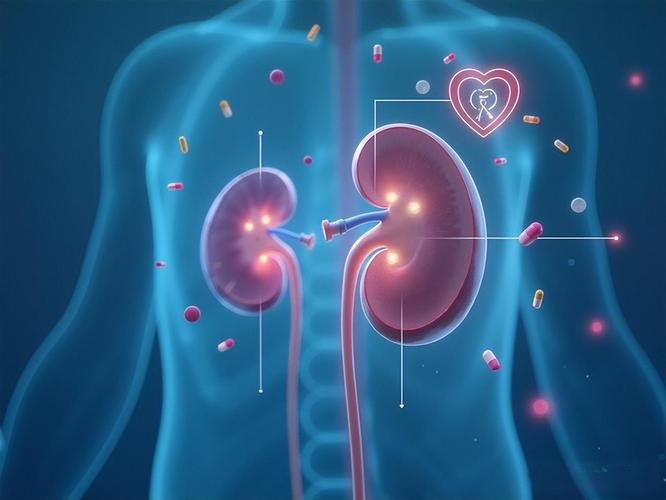

The balance between activating and eliminating pathways determines cell-active chemical levels. Different patients may respond differently if cellular kinases or metabolising enzymes shift. Because metabolism is difficult, therapeutic medication monitoring may help certain patients obtain the optimal treatment.GS-441524 powder and its metabolites are mostly eliminated by the kidneys. People or animals with dysfunctional kidneys may have variable pharmacokinetics, requiring a dose adjustment. Knowing how medications are eliminated helps you pick the proper dosage and predict how they will interact with other renal transport or metabolism drugs.

Broad RNA Virus Inhibition Research With GS-441524 Powder
Activity Against Diverse Viral Families
Researchers have shown that GS-441524 powder is useful against a number of RNA virus families besides coronaviruses. Studies in the lab have shown that it can fight flaviviruses, filoviruses, paramyxoviruses, and other types of RNA viruses. The compound's wide-ranging effects come from its ability to target RdRp, an enzyme that is found in all RNA virus families.
Different viruses have different levels of how well an antiviral works.


Some of the things that affect how well it works are the makeup of each virus's RdRp, how well GS-441524 phosphorylates in target cells, and how fast the virus replicates.Dose-response tests have found the EC50 values (the dose that stops a virus in half of the time) for many different types.
Comparative Effectiveness Studies
With submicromolar EC50 values, GS-441524 powder has significant FIPV activity. This powerful action has miraculously cured feline infectious peritonitis, a terrible condition. People wish to apply this technology to treat additional viral infections since it works in animals.
Comparing GS-441524 powder to other antiviral nucleoside compounds helps explain its effectiveness. Testing various drugs against the same viral targets reveals their strengths and weaknesses. Most of the time, GS-441524 is more effective or has more effects than previous antivirals.
GS-441524 and Remdesivir should be closely monitored. Remdesivir, a prodrug, converts into GS-441524 monophosphate within cells, avoiding the sluggish initial phosphorylation step. Remdesivir works better in cell culture due to this modification.


Both chemicals produce the virus-killing triphosphate molecule. Remdesivir absorbs more triphosphate into cells at the same extracellular levels, although GS-441524 powder is superior in certain cases, according to researchers. GS-441524 is more stable, easier to synthesise, and may be cheaper to create due to its simplified chemical structure, making it more accessible and valuable.
Resistance Monitoring and Mechanism Studies
Antiviral chemicals must consider the risk of virus resistance. Serial passage studies, in which viruses multiply repeatedly while the medication is present, have been used to study GS-441524 powder tolerance.
This research seeks genes that reduce drug harm.The data demonstrate that GS-441524 establishes tolerance more slowly than other antivirals. Resistance modifications mainly occur in the RdRp gene, modifying amino acids near the enzyme. Changes may make GS-441524 triphosphate harder to integrate or simpler for the exonuclease to remove.
Resistance modifications have fitness costs, thus drug-resistant viruses duplicate themselves less efficiently. Based on this research, resistant viruses may not be able to swiftly eliminate vulnerable viruses in the wild. Combining GS-441524 powder with other antivirals may reduce resistance.

Clinical Translation Considerations
To translate in vitro antiviral efficacy into clinical success, various gaps must be addressed. Animal studies are crucial for proving that GS-441524 powder may reach therapeutic levels in infected organs and has clinical benefits. Veterinarians who have treated cats with FIP may discuss safety, efficacy, and usage.
These animal medical applications teach humans valuable things. Treatment duration, frequency, and early initiation impact outcomes. Early-stage FIP cats are more likely to be cured. This emphasises the need for early diagnosis and treatment.
After its effectiveness with FIP, GS-441524 powder is being considered for additional purposes. Broader clinical research considers regulatory pathways, industrial scale-up, and economics. Strong antiviral activities and expanding safety data make the chemical beneficial in the battle against RNA virus infections.

Conclusion
GS-441524 powder has many antiviral mechanisms that prevent viruses from producing RNA. This drug acts like natural nucleosides, competing with viral RdRp for inclusion and delaying chain termination to limit viral replication. By generating virus RNA that doesn't operate, inclusion's structural impacts boost antiviral effects.
Its ability to attack coronaviruses and FIPV reveals its potential to target RNA synthesis. The delayed end mechanism avoids viral proofreading resistance, extending its lifespan. Cells phosphorylate the prodrug into its active triphosphate form. This form builds up in diseased cells to maintain antiviral pressure.
If researchers, physicians, and pharmaceutical workers comprehend these chemicals, they can employ GS-441524 powder effectively. The compound's performance in animal medicine suggests therapy by halting RNA synthesis. To maintain this valuable antiviral agent effective against emerging virus threats, ongoing research is exploring novel applications, enhancing treatment strategies, and monitoring resistance development.
FAQ
1. What makes GS-441524 powder effective against RNA viruses?
+
-
The GS-441524 powder works because it has a nucleoside analogue structure that is similar to natural adenosine. It competes with natural nucleotides for inclusion into virus RNA by RdRp after being taken up by cells and phosphorylated to the active triphosphate form. Once it's added, it delays the end of the chain, messes up the structure of RNA, and stops the production of working virus genomes. This multi-part process has strong antiviral effects against many types of RNA viruses, but it works especially well against coronaviruses and FIPV.
2. How does the delayed chain termination mechanism work?
+
-
Instead of stopping RNA synthesis right away like most chain terminators do, GS-441524 powder lets viral polymerase add three to five more nucleotides after inclusion before termination happens. The compound's changed sugar structure causes this delayed effect, but it doesn't fully stop the next incorporation event. The delay makes it harder for virus editing enzymes to find and get rid of the added analog, which helps get around resistance mechanisms. Multiple GS-441524 molecules can join together to form a single RNA strand, which increases the chance of termination.
3. Why is GS-441524 powder particularly effective against coronaviruses?
+
-
Coronaviruses can't replicate without constant RNA synthesis, which is why blocking RdRp is so bad for their life cycle. Coronaviruses have exonuclease proofreading activity that might be able to get rid of nucleoside analogues that are added, but GS-441524 powder's delayed termination mechanism gets around this resistance route. The chemical stops all steps of coronavirus RNA production, such as the creation of negative-sense templates, the increase of genomic RNA, and the production of subgenomic mRNA. The strong antiviral effects seen in both lab and clinical settings are caused by this all-encompassing suppression, along with good cellular uptake and activation.

Partner With BLOOM TECH for Premium GS-441524 Powder Supply
BLOOM TECH is the GS-441524 powder provider you can trust to give you pharmaceutical-grade materials backed by a full quality guarantee. Our production sites are GMP-certified and meet US-FDA, EU-GMP, and CFDA standards. This makes sure that every batch is more than 98% pure. We have twelve years of experience in chemical synthesis and pharmaceutical intermediates. To help with your research and development, we provide full analytical evidence, including HPLC and mass spectrometry data.
Our dedication goes beyond just providing high-quality goods. BLOOM TECH has reasonable prices with clear cost structures, a reliable supply chain management system that makes sure products are always available, and professional technical help from our R&D team. Whether you need small amounts for study or a lot of them for production, our method is flexible enough to fit projects of all sizes, from lab-scale to commercial production.
We know how very important it is to follow the rules and keep records. Each shipment comes with detailed records of analysis, data on stability, and legal support materials that make clearing customs easier. Our one-stop service model makes buying easier, so you can focus on making your therapeutic uses better while we take care of the complicated supply chain.
Contact our team today at Sales@bloomtechz.com to discuss your GS-441524 powder requirements. Experience the difference with BLOOM TECH: quality you can rely on, service that goes above and beyond, and a relationship that drives your success in antiviral research and development.
References
1. Murphy BG, Perron M, Murakami E, et al. The nucleoside analog GS-441524 strongly inhibits feline infectious peritonitis (FIP) virus in tissue culture and experimental cat infection studies. Veterinary Microbiology. 2018;219:226-233.
2. Warren TK, Jordan R, Lo MK, et al. Therapeutic efficacy of the small molecule GS-5734 against Ebola virus in rhesus monkeys. Nature. 2016;531(7594):381-385.
3. Sheahan TP, Sims AC, Graham RL, et al. Broad-spectrum antiviral GS-5734 inhibits both epidemic and zoonotic coronaviruses. Science Translational Medicine. 2017;9(396):eaal3653.
4. Gordon CJ, Tchesnokov EP, Woolner E, et al. Remdesivir is a direct-acting antiviral that inhibits RNA-dependent RNA polymerase from severe acute respiratory syndrome coronavirus 2 with high potency. Journal of Biological Chemistry. 2020;295(20):6785-6797.
5. Pedersen NC, Perron M, Bannasch M, et al. Efficacy and safety of the nucleoside analog GS-441524 for treatment of cats with naturally occurring feline infectious peritonitis. Journal of Feline Medicine and Surgery. 2019;21(4):271-281.
6. Agostini ML, Andres EL, Sims AC, et al. Coronavirus susceptibility to the antiviral remdesivir (GS-5734) is mediated by the viral polymerase and the proofreading exoribonuclease. mBio. 2018;9(2):e00221-18.