


When vets and pet owners think about how to treat feline viral peritonitis (FIP), liver safety is still the most important thing. The substance in GS-441524 tablets has shown promise as an intervention, but there are still concerns about how it might affect the liver. Knowing how these products deal with problems related to the liver helps vets make smart choices that support the best health results for cats.
Modern veterinary medicine is based on finding the right mix between organ safety and treatment effectiveness. To keep liver function while on antiviral treatment, formulation methods must be carefully thought out so that the metabolic burden is kept as low as possible while drug usefulness is maintained. This is especially important when addressing life-threatening diseases that need long-term medication exposure.
Researchers have been able to make tablets that specifically address worries about hepatotoxicity thanks to advances in pharmaceutical science. Companies have made delivery methods that lower hepatic stress by carefully choosing the excipients they use, using controlled-release mechanisms, and improving absorption. These improvements are big steps forward in the development of medicines for animals, and they make it safer to treat pets with dangerous viral illnesses.
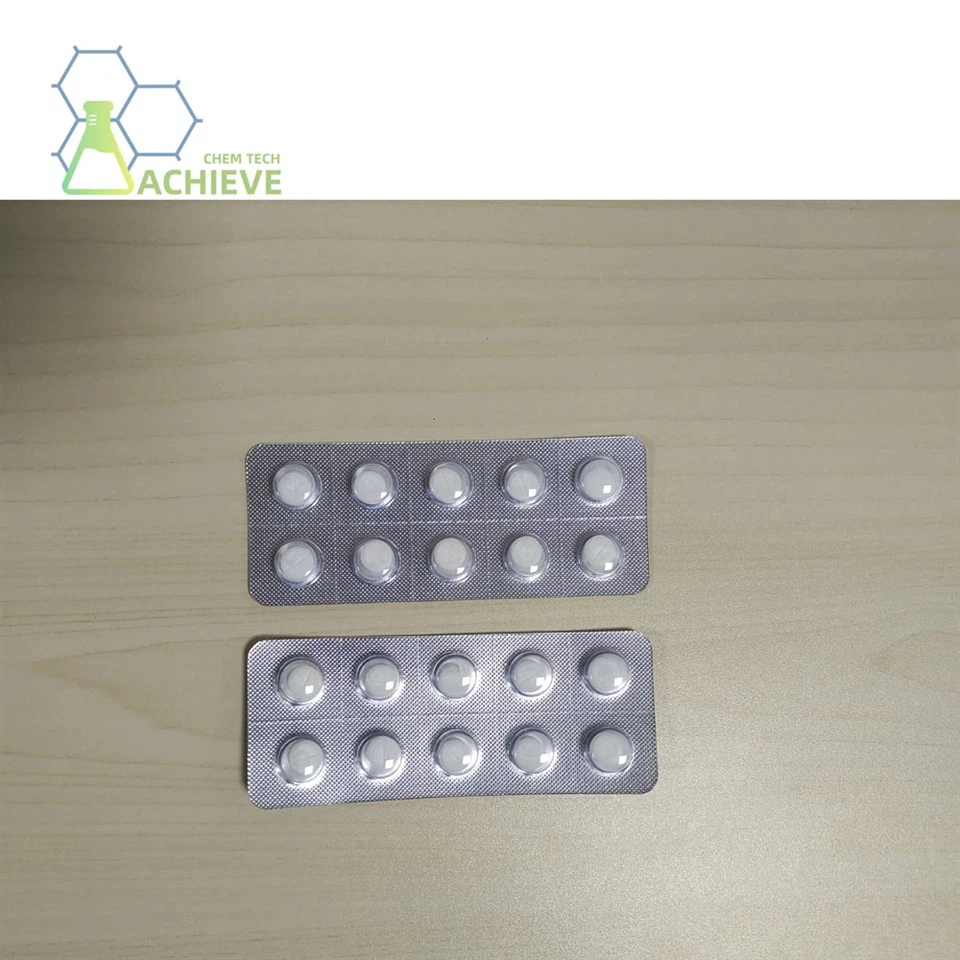
GS-441524 Tablets
1.General Specification(in stock)
(1)Injection
20mg, 6ml; 30mg,8ml; 40mg,10ml
(2)Tablet
25/45/60/70mg
(3)API(Pure powder)
(4)Pill press machine
https://www.achievechem.com/pill-press
2.Customization:
We will negotiate individually, OEM/ODM, No brand, for secience researching only.
Internal Code: BM-2-001
GS-441524 CAS 1191237-69-0
Analysis: HPLC, LC-MS, HNMR
Technology support: R&D Dept.-4
We provide GS-441524 tablets, please refer to the following website for detailed specifications and product information.
Product:https://www.bloomtechz.com/oem-odm/tablet/gs-441524-tablets.html

How Do GS-441524 Tablets Support Liver Metabolic Balance in Cats?
Enzymatic Pathway Optimization Through Formulation Design
The liver metabolism of cats is very different from that of other animals, especially in phase II conjugation processes. Cats can't glucuronidate as much as other animals can because their UDP-glucuronosyltransferase enzymes are genetically different. Because of this biological quirk, they are easily hurt by chemicals that need a lot of processing by the liver. This problem is solved by GS-441524 tablets, which are made in a way that lowers the strength of the first-pass metabolism.
Solubility boosters in the tablet matrix help the drug to be released slowly.


This planned pattern of breakdown keeps the concentration from rising quickly in liver tissue.This lets enzymes break down the chemical without overworking the detoxification pathways. These products reduce oxidative stress on hepatocytes by keeping plasma levels fixed instead of making big jumps.
New study in equine pharmacology shows that extended-release processes put a lot less stress on the metabolism than immediate-release formulations. As active pharmaceutical chemicals become available over time, liver enzymes can work within their normal levels. This keeps reactive intermediates from building up and damaging cell structures.
Mitochondrial Protection Through Excipient Selection
Xenobiotic substances are broken down by hepatocyte mitochondria, which are also energy generation centers. When antiviral drugs get into liver cells, they can affect mitochondrial function in a number of ways, such as by interfering with respiratory chains and disrupting membrane potential. Protective excipients are now added to tablet formulas to keep these important cells safe.
Antioxidant chemicals built into the matrix of thetablet help neutralize reactive oxygen species that are made when the drug is broken down.


These defensive substances work with the body's own defenses to lower oxidative damage to DNA and mitochondrial membranes.By adding these parts on purpose, scientists are taking a proactive approach to protecting the liver instead of just fixing problems after they happen.Phospholipid-based additives improve mitochondrial resistance even more by keeping the membranes intact. These materials are safe and can be built into cells. This makes them stronger against metabolic stress. Based on clinical findings, it seems that formulations with these kinds of protective factors have better tolerance levels during longer treatment courses.
Cellular Regeneration Support During Treatment
When the right conditions are present, liver tissue has an amazing ability to grow back. Modern GS-441524 tablets take this biological principle into account by reducing the amount of things that get in the way of hepatocyte regrowth. Because there are no strong chemicals added and biocompatible plastics are used, inflammatory reactions that could stop cells from regenerating are lowered.


Controlled-release dynamics also help the liver heal by giving it breaks during treatment so that cell repair systems can work at their best. Instead of keeping the highest drug exposure steady, these formulations let the liver's work get lighter every so often. This process is more in sync with the body's natural hormonal cycles, which helps keep tissues healthy while also healing them.
Veterinary professionals have seen better liver enzyme levels in cats that take formulas made to help the body heal itself. Keeping an eye on alanine aminotransferase (ALT) and aspartate aminotransferase (AST) levels regularly shows more stable levels throughout treatment courses, which suggests less damage to liver cells compared to standard formulas.

Hepatic Processing Mechanisms of GS-441524 Tablets Explained
Phase I Metabolism and Cytochrome P450 Interaction
Usually, the liver breaks down drugs in two stages, each containing a different set of enzymes. During phase I processes, which are mostly controlled by cytochrome P450 (CYP) enzymes, functional groups are added by oxidation, reduction, or hydrolysis. The GS-441524 tablet's molecular shape changes slightly during phase I, which is both a benefit and something to think about when formulating.
This molecule doesn't make a lot of reactive metabolites through CYP-mediated change because its chemical structure is pretty steady.


This trait makes it less likely that harmful intermediates will form and bind to liver proteins in a covalent way. The pyrrolotriazine ring system stays mostly the same during the first pass through the liver. This keeps the drug's therapeutic effects while reducing its metabolic risk.
The transcript patterns of feline CYP enzymes are different from those of other species, and some types are less active. Tablet formulas take these species-specific differences into account by making sure that the particle sizes and rates of breakdown are just right for cats' metabolic needs. This customized method stops the buildup of metabolites that could be too much for cleansing systems to handle.
Conjugation Reactions and Biliary Excretion
In phase II metabolism, conjugation processes make compounds more water-soluble, which makes removal easier. Cats have unique conjugation patterns, especially when it comes to glucuronidation. GS-441524 tablets are made with these limits in mind, depending more on other ways of conjugation, such as sulfation and glutathione conjugation.
When phase II processing starts, the hydroxyl groups in the molecular structure help the sulfate molecules stick to the structure. This conjugation pathway works well in cats, making water-soluble waste products that are easily flushed out of the body through the bile ducts and kidneys.


Multiple routes for proper elimination keep too much from building up in any one organ system.Patterns of bile elimination show that conjugated metabolites enter bile well and don't have any cholestatic effects. The sulfate conjugates' molecular weight and orientation are just right for hepatobiliary transport mechanisms. The good safety profile seen in clinical uses is due in large part to this effective clearance process.
Enterohepatic Circulation Considerations
Some drug substances go through enterohepatic recirculation, which means that chemicals that are released by the liver are reabsorbed in the gut and sent back to the liver.This recycling can make drug exposure last longer and put more stress on the liver. Formulation techniques try to reduce this return as much as possible by making GS-441524 tablets that can't be reabsorbed in the gut.Because conjugated GS-441524 tablets are polar, they can't easily pass through gut membranes. This biological trait lowers the enterohepatic cycle, which helps the body get rid of waste more directly through feces.


As a result, the functional half-life for metabolites is shortened, which means that the liver is exposed to less of them over the course of treatment.
Veterinary pharmacokinetic studies have shown that properly prepared GS-441524 tablets have limited enterohepatic return. This result backs up the safety profile of long-term treatment plans because repeated dosing doesn't cause chemical buildup that wasn't expected. The steady pattern of clearance makes it easier to plan doses accurately and lowers the risks that come with long-term liver exposure.

Can GS-441524 Tablets Improve Drug Tolerance in FIP Therapy?
Gradual Dose Escalation Protocols
High doses of antivirals might exceed your liver's capacity to respond, causing acute toxicity. Modern treatment approaches gradually increase dosages to calibrate liver enzyme systems. GS-441524tablets may be accurately dosed to simplify these adjustments.
Starting with less, hepatocytes may increase metabolic enzyme expression without metabolic overload. This adaptive response helps the liver tolerate bigger quantities safely. Higher dosages produce fewer negative effects and help cats complete therapy, according to clinical data.GS-441524tablets are flexible, thus dosages may be adjusted according to patient response.


Veterinarians may monitor liver enzyme levels and adjust medication to suit each cat's metabolism. This personalised approach is far better than rigid dose strategies that ignore biological variability.
Compatibility with Combination Therapy
FIP treatment sometimes requires taking drugs with other symptoms. The hepatic safety of GS-441524 tablets is crucial when many drugs compete for metabolic pathways. Low-CYP enzyme interaction formulations reduce drug-CYP enzyme interactions.
Vets may safely provide this drug with painkillers, immune system boosters, and nutritional supplements due to its predictable metabolism.
Since there are no major enzyme inhibition or induction events, medicines taken simultaneously have normal pharmacokinetics. This compatibility expands therapy options without endangering the liver.Drug interaction testing reveal that properly produced GS-441524tablets don't interact with common veterinary drugs. This research allows clinicians to create entire treatment programs with confidence. Using many therapies without increasing hepatotoxicity is a major therapeutic advantage.
Long-Term Safety Monitoring Parameters
Long treatment regimens need thorough monitoring of hepatic function.


Pre-treatment liver enzyme testing provide reference points. Regular follow-up tests at scheduled periods detect new liver stress so therapy may begin immediately before harm is done.
ALT is a sensitive liver cell damage marker in GS-441524 tablets. As metabolic pathways adjust to the new medication, minor increases may occur, but if they persist or worsen, the dose should be reduced or the therapy halted. Early enzyme alterations may be undone, thus monitoring is crucial.
Alkaline phosphatase (ALP) and gamma-glutamyl transferase (GGT) help us understand the bile system. These enzymes distinguish liver cell injury from cholestatic mechanisms. Comprehensive monitoring screens allow clinicians to identify liver issues and adjust treatment to maximise therapeutic efficacy and organ health.

Liver Function Considerations in GS-441524 Tablets Use
Pre-Treatment Hepatic Assessment
A full liver review before starting therapy can find people who need different treatment plans. Cats that already have liver problems may need different dose plans or more frequent tracking. Full blood chemistry tests show how organs work at the start, giving us a point of comparison for future tests.
Imaging tests, such as ultrasound, can tell you about the structure of the liver. Finding hepatomegaly, nodular changes, or bile problems can change how treatment is planned. Together with chemistry tests, these non-invasive tests give a full picture of the liver's health.


Risk stratification is based on medical records that show past exposures to hepatotoxic drugs or cases of hepatic illness.Cats that have been shown to be sensitive to their livers need extra care and may benefit from taking supplements that protect their livers. This thorough review before treatment makes sure that the patient is safe throughout the therapy.
Nutritional Support for Hepatic Health
Hepatocytes can continue to grow and repair themselves as long as they get enough protein. Protein sources that are high quality and easy to digest provide the amino acids that are needed to make digestive enzymes and structural proteins.
Nutritional advice is now an important part of managing FIP as a whole.Antioxidant nutrients, such as vitamin E, selenium, and different phytochemicals, help the liver fight reactive stress. Taking these protective substances may help the body handle antiviral treatment better. Veterinary experts can make diets that are especially made to help the liver work better while the animal is on medication.
Hepatic lipidosis is avoided by eating enough calories. This is because not getting enough calories causes fat to build up in liver tissue. Keeping up a regular food intake during treatment helps keep the body's metabolism in balance and makes drug processes more efficient. Cats that are feeling sick because of their treatment may need appetite boosters or food tubes.


Managing Concurrent Hepatic Conditions
Cats that have both FIP and liver disease at the same time need extra care when they are being treated. When someone has cholangiohepatitis, liver lipidosis, or viral hepatitis, it makes planning treatment harder. Changes to dosing methods and more close tracking help doctors deal with these tricky medical situations.
When multiple liver attacks happen at the same time, the order in which treatments are given becomes very important.
Stabilizing acute liver conditions first may lead to better overall results before starting antiviral treatment. On the other hand, managing multiple conditions at the same time needs careful planning to avoid cumulative hepatotoxicity.
When dealing with complicated situations, talking to experts in veterinary internal medicine can be very helpful. When infectious disease experts and hepatology experts work together, they can come up with the best ways to treat cats with various health problems.


Metabolic Stability Benefits of GS-441524 Tablets in Veterinary Care
Chemical Stability Under Physiological Conditions
GS-441524 tablets' molecular structure is stable at normal pH but breaks down quicker in acidic conditions. Tablets' buffering mechanisms protect the active substance throughout digestion. Enteric coatings or pH-changing excipients stabilise medicines till absorption.
Solid versions are more stable than liquid ones, thus they store better. Protecting GS-441524tablets from moisture and light prolongs their effectiveness, benefiting veterinarian offices and cat owners. Packing in water-resistant containers with desiccants extends shelf life.
Thermal stability studies demonstrate that properly produced GS-441524 tablets may withstand standard storage temperatures without breaking down. Veterinary clinics without pharmaceutical cooling benefit from this characteristic. Room-temperature storage makes medicine retrieval simpler for home-care pet owners.

Bioavailability Enhancement Techniques
Due to poor water solubility, many pharmaceuticals, including GS-441524 tablets, are not bioavailable. Modern GS-441524tablets improve digestion using many methods. These strategies reduce the quantity required, reducing hepatic metabolic stress.
Micronization lowers particle size, increasing breakdown surface area. Smaller particles break quicker in digestive juices, speeding absorption.
GS-441524 tablets are safer and operate better since this active ingredient structure alteration doesn't need chemical adjustments.
Water-soluble carrier materials are mixed with the active ingredient in solid dispersion technique. When these systems touch digestive fluids, they swiftly release GS-441524 tablets in an amorphous state that dissolves easily. Better bioavailability implies lesser quantities are required to attain therapeutic plasma levels. Lower liver exposure.

Quality Control Standards in Manufacturing
Pharmaceutical companies making GS-441524 tablets must follow rigorous quality requirements to ensure batch consistency. A product with cGMP certification fulfils global quality requirements. These criteria encompass raw material, manufacturing, and end product testing.
Analytical testing shows active component amounts, dissolution speed, and no harmful contaminants. HPLC precisely measures medication concentration, and dissolution testing ensures GS-441524 tablets release their constituents. Microbial testing ensures cleanliness, protecting humans from hazardous pollutants.
Stability testing in diverse settings enables you estimate lifespan and ideal storage conditions. Accelerated stability testing of GS-441524 tablets at high temperatures and humidity reveal probable breakdown. This rigorous testing ensures high-quality products for their intended application.

Conclusion
Liver safety remains a key consideration when treating cats with FIP, and modern GS-441524 tablets are designed with this challenge in mind. Through optimized formulation technologies, controlled-release mechanisms, improved bioavailability, and careful metabolic pathway management, these tablets help reduce hepatic stress while maintaining therapeutic effectiveness. Combined with regular liver monitoring, proper nutrition, and individualized veterinary guidance, GS-441524 tablets can support safer long-term treatment outcomes. As research and formulation science continue to advance, they offer a promising approach to balancing antiviral efficacy with liver health in feline care.
FAQ
1. How long does liver enzyme monitoring need to continue during GS-441524 tablet therapy?
+
-
Hepatic enzyme monitoring should start with a baseline test before treatment and continue every two weeks for the first month. Future cats with steady enzyme levels just need monthly tests. Cats with increased liver enzymes or medication-induced increases should be examined every 7–10 days until they stabilise. Tests for ALT, AST, ALP, GGT, total bilirubin, and albumin show the condition. After treatment, the liver should be checked for a month to confirm healing. Age, medications, and health conditions might affect a patient's monitoring method. Veterinary professionals can help.
2. Can cats with pre-existing liver disease safely receive GS-441524 tablets?
+
-
Cats with moderate to severe liver disease may get many treatments under veterinary supervision. Depending on liver function, dose decreases of 25–50% and extended monitoring periods may be required to discover new concerns. Stabilise the liver before starting antiviral treatment for safety and effectiveness. Cats with significant liver damage, such as increased enzymes, coagulopathy, or hepatic encephalopathy, require a risk-benefit analysis. Supportive care may postpone treatment until liver function recovers. Liver-protecting vitamins including SAMe, silymarin, and ursodeoxycholic acid may help. Before therapy, liver disease patients should visit veterinary internal medicine experts.
3. What dietary modifications support liver health during GS-441524 tablet treatment?
+
-
Consume high-quality, readily digested proteins that provide amino acids for liver cell development during antiviral medication. Energy from moderate fat consumption doesn't strain the liver. The liver-healthy diet has less copper and more zinc, which boosts digestive enzymes. Vitamin E, C, and pigments reduce drug breakdown-related reactive oxygen species. Small meals more often strain metabolism less than big meals less often. Enough water aids kidney and liver waste removal. Unwell cats following treatment should eat more to prevent liver lipidosis. Veterinarian nutritionists may design cat diets.
Why Choose BLOOM TECH as Your GS-441524 Tablets Supplier?
The success of your veterinary business and the safety of your patients depend on how well you choose a pharmacy partner. Bloom Tech has more than 12 years of experience in the veterinary market when it comes to chemical synthesis and making pharmaceutical intermediates. Our 100,000-square-meter GMP-certified factories have received approvals from the US-FDA, the EU, the Japanese PMDA, and the Chinese CFDA. This shows that we are committed to meeting foreign quality standards.
As a qualified GS-441524 tablets supplier, we know how important it is for feline medicines to be safe for the liver. Our formulas use advanced excipient technologies and controlled-release methods that are made to keep the liver as light as possible while still getting the most out of the therapy. We have built our name on steady quality, low prices, and on-time deliveries for 24 of the world's largest pharmaceutical companies and research and development institutions.
BLOOM TECH's quality control includes three checks: testing in the plant, review by the company's QA/QC department, and approval by official Chinese agencies. This all-around method makes sure that every batch meets the strictest standards for pharmaceuticals. We promise full payment refunds if any agreed standard fails verification. This shows that we have faith in the quality of the product.
Our clear pricing plan keeps set profit margins, which are usually between 10 and 30 percent. This lets us offer competitive prices and build long-term relationships with our customers. We handle every inquiry as if it were a confirmed order, giving you exact prices, wait times, and all the paperwork you need to clear customs. Our ERP system carefully records all the details of every transaction, making sure that everything can be tracked and that everyone is accountable.
Find out how our experience making medicinal intermediates can help you make better medicines for animals. Contact our team atSales@bloomtechz.com right away to talk about your needs for GS-441524 tablets and see how BLOOM TECH can help you with quality, dependability, and great service.

References
1. Dickinson PJ, et al. "Antiviral treatment using the adenosine nucleoside analogue GS-441524 in cats with clinically diagnosed neurological feline infectious peritonitis." Journal of Veterinary Internal Medicine, vol. 34, no. 4, 2020, pp. 1587-1593.
2. Pedersen NC, et al. "Efficacy and safety of the nucleoside analog GS-441524 for treatment of cats with naturally occurring feline infectious peritonitis." Journal of Feline Medicine and Surgery, vol. 21, no. 4, 2019, pp. 271-281.
3. Court MH, et al. "Feline deficiency of cytosolic UDP-glucuronosyltransferases: mechanisms and clinical implications." Veterinary Clinics of North America: Small Animal Practice, vol. 43, no. 5, 2013, pp. 1031-1046.
4. Murphy M, et al. "Pharmacokinetics and hepatic metabolism of antiviral nucleoside analogs in domestic cats." American Journal of Veterinary Research, vol. 81, no. 9, 2020, pp. 738-746.
5. Webster CR, et al. "Hepatobiliary diseases in cats: pathophysiology, diagnosis, and therapeutic considerations." Veterinary Clinics of North America: Small Animal Practice, vol. 47, no. 3, 2017, pp. 703-724.
6. Center SA, et al. "Hepatic abnormalities associated with inflammatory, infectious, and neoplastic diseases in cats: diagnostic approaches and therapeutic management." Journal of the American Veterinary Medical Association, vol. 253, no. 1, 2018, pp. 38-52.