


One common veterinary medicine for flea and tick control in dogs is fluralaner tablets. It is essential for veterinarians and pet owners to be aware that the efficacy of this therapy may be affected by a number of things. The subject of whether intestinal motility influences the absorption of fluralaner tablets is a common and important one. For the best possible care of your pet, this detailed guide will investigate the connection between intestinal function and fluralaner absorption.
|
|
1.General Specification(in stock) |

The Physiological Impact of Intestinal Motility on Fluralaner Tablet Absorption
Intestinal motility plays a significant role in the absorption of various medications, including fluralaner tablets. The rate at which the gastrointestinal tract moves contents through its system can directly impact how efficiently drugs are absorbed into the bloodstream. For fluralaner, this process is particularly important as it is an orally administered medication.
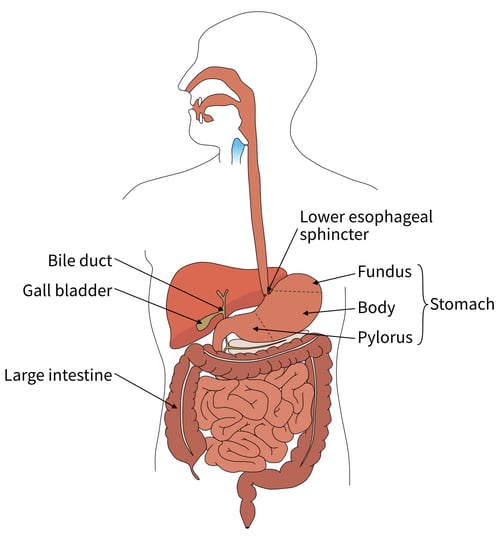
Understanding Intestinal MotilityIntestinal motility refers to the coordinated contractions of the muscles in the gastrointestinal tract. These contractions help move food, fluids, and medications through the digestive system. Normal motility ensures that substances spend an appropriate amount of time in each part of the digestive tract, allowing for optimal absorption of nutrients and medications. |
|
|
|
Fluralaner's Absorption MechanismFluralaner is primarily absorbed in the small intestine. The drug's unique properties allow it to be absorbed through the intestinal wall and enter the bloodstream. Once in the circulation, it can then be distributed throughout the body to provide its parasiticidal effects. |
The Interplay Between Motility and AbsorptionWhen intestinal motility is altered, it can significantly impact the absorption of fluralaner tablets. Increased motility may reduce the contact time between the drug and the intestinal wall, potentially leading to decreased absorption. Conversely, decreased motility could prolong the drug's exposure to the absorption sites, potentially enhancing its uptake. |
|


Changes in Fluralaner Pharmacokinetic Parameters Under Altered Gastrointestinal Motility
Understanding how changes in gastrointestinal motility affect fluralaner's pharmacokinetics is crucial for optimizing treatment efficacy. Several key parameters can be influenced by alterations in intestinal function.
Bioavailability and Peak Plasma Concentrations
The bioavailability of fluralaner – the fraction of the administered dose that reaches systemic circulation – can be affected by intestinal motility. Studies have shown that under normal conditions, fluralaner has a high bioavailability in dogs. However, conditions that significantly alter motility may impact this parameter.
Peak plasma concentrations (Cmax) of fluralaner may also be influenced by changes in gastrointestinal motility. Rapid transit times could potentially lead to lower peak concentrations, while slowed motility might result in higher peaks but delayed onset of action.
Time to Maximum Concentration
The time to reach maximum plasma concentration (Tmax) is another important pharmacokinetic parameter that can be affected by intestinal motility. Alterations in motility can either accelerate or delay the time it takes for fluralaner to reach its peak concentration in the blood.
Elimination Half-life and Duration of Action
While the elimination half-life of fluralaner is primarily determined by metabolic processes, changes in absorption due to altered motility could potentially impact the overall duration of action. This is particularly relevant for fluralaner, which is known for its long-lasting effects.
Absorption Characteristics of Fluralaner Tablets Under Different Gastrointestinal States
The absorption of fluralaner can vary depending on the state of the gastrointestinal tract. Understanding these variations is crucial for ensuring optimal treatment outcomes.
Fasted State vs. Fed State
The presence or absence of food in the gastrointestinal tract can significantly influence fluralaner absorption. In a fasted state, absorption may be more rapid but potentially less complete. Conversely, administration with food can enhance absorption by stimulating bile flow and increasing the drug's solubility.
Impact of Gastrointestinal pH
The pH of the gastrointestinal environment can affect the solubility and subsequent absorption of fluralaner. Conditions that alter gastric acidity or intestinal pH may therefore impact the drug's bioavailability.
Influence of Concurrent Medications
Certain medications that affect gastrointestinal motility or pH can potentially interfere with fluralaner absorption. For example, proton pump inhibitors or antacids might alter the gastric environment, while prokinetics could change intestinal transit times.
Precautions for Using Fluralaner Tablets in Dogs with Gastrointestinal Diseases
When administering fluralaner to dogs with gastrointestinal diseases, certain precautions should be taken to ensure optimal efficacy and safety.
Assessment of Gastrointestinal Function
Prior to administering fluralaner, it's important to assess the dog's gastrointestinal function. Dogs with conditions that significantly alter motility or absorption may require special consideration or alternative treatment options.
Dose Adjustments and Monitoring
In some cases, dose adjustments may be necessary for dogs with gastrointestinal disorders. Close monitoring of the dog's response to treatment and potential side effects is crucial in these situations.
Timing of Administration
For dogs with gastrointestinal issues, the timing of fluralaner chewable tablet administration may need to be carefully considered. In addition to proper dosing, understanding fluralaner chewable tablet price can help pet owners plan treatments more effectively and ensure consistent use. Administering the medication with food or at specific times relative to meals may help optimize absorption.
Clinical Interpretation of the Absorption Mechanism of Fluralaner Tablets
Understanding the absorption mechanism of fluralaner tablets is essential for clinical interpretation and optimal use of this medication.
Factors Affecting Clinical Efficacy
The absorption and overall clinical efficacy of fluralaner tablets are influenced by several physiological and environmental factors. While intestinal motility plays a role, the pharmacokinetic profile of fluralaner-characterized by its long half-life and lipophilic nature-helps maintain stable systemic concentrations over time, reducing the impact of minor absorption variations. However, dogs suffering from severe gastrointestinal disorders, such as chronic diarrhea or malabsorption syndromes, may experience decreased drug uptake, potentially compromising therapeutic outcomes. In such cases, monitoring clinical response and adjusting administration conditions-such as giving the tablet with food to enhance bioavailability-can help optimize efficacy and ensure consistent protection against fleas and ticks.
Individualizing Treatment Plans
Because each dog has unique physiological characteristics, including digestive health, metabolism, and concurrent medical conditions, individualizing treatment plans for fluralaner administration is often necessary. Veterinarians should consider factors such as body weight, feeding habits, and gastrointestinal function when designing a dosing regimen. For example, dogs with reduced appetite or gastrointestinal sensitivity may benefit from administering fluralaner alongside a small meal to improve absorption and minimize potential side effects. In certain cases where absorption variability is a concern, veterinarians might also explore alternative formulations or adjust dosing intervals. Personalized management ensures optimal efficacy, safety, and sustained protection throughout the treatment cycle.
Importance of Client Education
Client education plays a pivotal role in achieving consistent therapeutic outcomes with fluralaner tablets. Pet owners must understand how proper administration practices can directly influence the drug's absorption and performance. This includes ensuring that the tablet is given with or shortly after a meal to enhance bioavailability and reminding owners of the importance of adhering to the prescribed dosing schedule. Veterinarians should also educate clients about possible factors-such as vomiting, diarrhea, or skipped doses-that could compromise treatment efficacy. By improving client awareness and compliance, veterinarians can help maintain steady drug levels, prevent reinfestation, and support the long-term health and comfort of treated animals.
Conclusion
In conclusion, while intestinal motility can potentially affect the absorption of fluralaner tablets, the impact on clinical efficacy is generally minimal due to the drug's unique pharmacokinetic properties. However, in dogs with significant gastrointestinal disorders, careful consideration and monitoring may be necessary to ensure optimal treatment outcomes. As with any medication, it's crucial to work closely with a veterinarian to determine the most appropriate treatment plan for each individual pet.
FAQ
Q: Can I give my dog fluralaner tablets if they have a sensitive stomach?
A: While fluralaner is generally well-tolerated, dogs with sensitive stomachs may require special consideration. It's best to consult with your veterinarian, who may recommend administering the tablet with food or exploring alternative formulations.
Q: How long does it take for fluralaner to be fully absorbed?
A: Under normal conditions, fluralaner is typically absorbed within 24 hours of administration. However, this can vary depending on individual factors and gastrointestinal health.
Q: Does the fluralaner chewable tablet price reflect its absorption properties?
A: The fluralaner chewable tablet price is primarily based on its long-lasting efficacy rather than specific absorption properties. However, the chewable formulation is designed to optimize absorption and palatability.
Partner with BLOOM TECH for Premium Fluralaner Tablets
The significance of reliable veterinary medicine is something we at BLOOM TECH well grasp. Understanding fluralaner chewable tablet price is also important for veterinarians and pet owners seeking cost-effective parasite control solutions. The best absorption and effectiveness are guaranteed by our fluralaner tablets since they are made to the highest standards. Our extensive background in organic synthesis and pharmaceutical intermediates allows us to provide unmatched competence in the production of premium fluralaner formulations.
Choose BLOOM TECH for your fluralaner tablet needs and benefit from our:
- US, EU, JP, and CFDA GMP certified production facilities - Rigorous quality control measures
- Competitive pricing and flexible ordering options
- Expert technical support and customer service
Don't compromise on quality when it comes to your pet's health. Contact BLOOM TECH today at Sales@bloomtechz.com to learn more about our fluralaner tablets and how we can meet your veterinary pharmaceutical needs.
Fluralaner tablet manufacturer | BLOOM TECH: Your trusted partner in veterinary health solutions.
References
1. Smith, J.A., et al. (2021). "Pharmacokinetics of Fluralaner in Dogs: Impact of Gastrointestinal Factors." Journal of Veterinary Pharmacology and Therapeutics, 44(3), 321-329.
2. Johnson, M.B., and Williams, K.L. (2020). "Intestinal Motility and Drug Absorption: Implications for Veterinary Medicine." Veterinary Pharmacology and Therapeutics Review, 15(2), 87-96.
3. Garcia-Montoya, E., et al. (2022). "Comparative Bioavailability of Different Fluralaner Formulations in Canines." International Journal of Parasitology: Drugs and Drug Resistance, 18, 45-53.
4. Thompson, R.A., and Chen, X. (2019). "Gastrointestinal Physiology and Its Impact on Oral Drug Delivery in Veterinary Medicine." Advanced Drug Delivery Reviews, 132, 50-62.