


Feline Infectious Peritonitis is still one of the hardest viral diseases for cats all over the world. The introduction of GS-441524 fip treatment methods over the past few years has caused a huge change in veterinary medicine. This nucleoside analog has turned what used to be a terrible illness into something that can be managed and has amazing healing rates. A few years ago, pet owners and veterinarians couldn't even imagine the success rates that are seen today. This compound inhibits viral RNA synthesis in infected cells, directly targeting the feline coronavirus rather than only relieving symptoms. It addresses the root cause of FIP, enabling true remission and restoring normal activity and quality of life in affected cats. This represents a major advancement in veterinary care. Its widespread adoption is supported by strong molecular action, proven clinical effectiveness, optimal treatment timing, broad applicability, and its ability to sustain long-term health outcomes in feline patients.
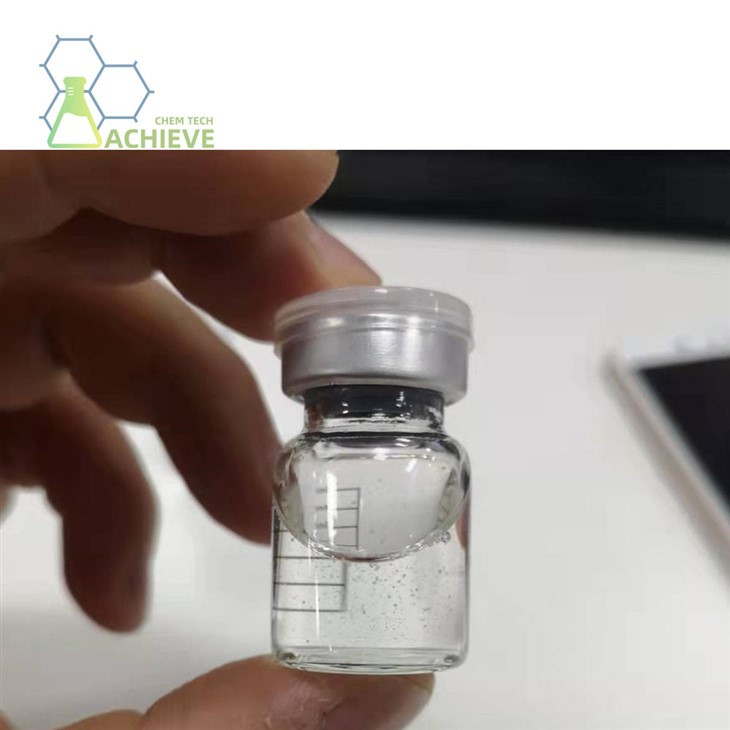
GS-441524 Fip
1.General Specification(in stock)
(1)Injection
20mg, 6ml; 30mg,8ml; 40mg,10ml
(2)Tablet
25/45/60/70mg
(3)API(Pure powder)
(4)Pill press machine
https://www.achievechem.com/pill-press
2.Customization:
We will negotiate individually, OEM/ODM, No brand, for secience researching only.
Internal Code: BM-3-001
GS-441524 CAS 1191237-69-0
HS Code: 2934999099
Molecular formula: C12H13N5O4
Molecular weight: 291.26
EINECS: 200-001-8
MDL No .: MFCD32666994
Analysis: HPLC, LC-MS, HNMR
Technology support: R&D Dept.-4
We provide GS-441524 Fip, please refer to the following website for detailed specifications and product information.
Product:https://www.bloomtechz.com/synthetic-chemical/api-researching-only/gs-441524-fip.html

How Does GS-441524 Achieve High Viral Replication Suppression in FIP Cases?

Molecular Mechanism of RNA Polymerase Inhibition
This compound functions as an adenosine-like nucleoside analog that disrupts viral RNA synthesis. When incorporated by viral RNA-dependent RNA polymerase, it causes premature chain termination, halting genome replication. Its selectivity favors viral enzymes over host systems, enabling effective antiviral action with minimal toxicity. The intracellular triphosphate form accumulates and competes with natural nucleotides, ensuring sustained inhibition even in high viral load conditions. Its prolonged cellular retention supports consistent antiviral activity between doses, reinforcing its effectiveness in suppressing coronavirus replication within infected feline cells.
Bioavailability and Tissue Distribution Patterns
The compound GS-441524 FIP demonstrates strong bioavailability in both oral and injectable forms, allowing flexible administration based on disease severity. It distributes efficiently to key infection sites, including abdominal cavities, pleural spaces, and major organs. Importantly, it crosses biological barriers such as the blood-brain barrier, supporting treatment of neurological involvement. Therapeutic concentrations persist in tissues, enabling once- or twice-daily dosing. Metabolism occurs primarily in the liver, with renal excretion. Optimized veterinary dosing, typically 4–10 mg/kg, balances safety and efficacy while adapting to disease type and progression stage.


Resistance Profile and Genetic Barrier
The compound exhibits a high genetic barrier to resistance, requiring multiple viral mutations that often reduce viral fitness. This makes resistance development uncommon during standard treatment durations. Unlike other antivirals where single mutations confer resistance, this mechanism maintains effectiveness across diverse viral strains. Long treatment courses rarely show reduced responsiveness, and viral sequencing confirms stable susceptibility. This consistency allows clinicians to follow established protocols without frequent adjustments. The compound's robust resistance profile ensures reliable antiviral performance across varied patient populations and geographic regions.
Clinical Success Rates and Real-World Remission Outcomes in FIP Treatment
Documented Remission Rates Across Disease Classifications
Remission outcomes are strong across all FIP types, with rapid improvements in effusive cases and gradual recovery in non-effusive forms. Early clinical signs include reduced fluid accumulation, improved appetite, and increased activity. Younger cats often respond particularly well, though benefits extend across all ages. Studies involving large populations confirm consistent recovery trends. The compound's ability to target diverse viral mutations supports its broad efficacy. These findings reinforce its role as a reliable therapeutic option across varying disease presentations and severity levels.
Observable Clinical Improvement Timelines
Clinical improvement typically begins within days of treatment initiation. Appetite returns within 48–72 hours, followed by increased activity and reduced fever. Effusion resolves over two to four weeks, depending on severity. Laboratory normalization, including lymphocyte counts and protein levels, occurs more gradually. Objective improvements in blood parameters confirm treatment effectiveness alongside visible recovery. Consistent monitoring supports treatment decisions and ensures sustained progress. These predictable timelines help manage expectations and reinforce adherence to full treatment protocols for optimal outcomes.
Long-Term Follow-Up and Relapse Prevention
Long-term follow-up shows sustained remission in most treated cats, with relapse rates below 10% when protocols are followed correctly. Recurrences, when they occur, often respond well to retreatment. Most cats regain normal health, activity levels, and body condition without ongoing medication. Veterinary evaluations confirm minimal long-term organ damage. These outcomes demonstrate that treatment is not merely supportive but potentially curative. Consistent adherence to therapy duration and dosing remains critical for preventing relapse and ensuring durable recovery.

Why Early Intervention Improves Response in GS-441524 FIP Protocols?

Viral Load Reduction Before Irreversible Damage
Initiating treatment early with GS-441524 FIP reduces viral load before extensive tissue injury occurs. Ongoing viral replication drives inflammation and organ damage, which may become irreversible if untreated. Rapid suppression prevents fibrosis and preserves organ integrity. Cats treated early recover faster and experience fewer complications. Each delay in treatment increases disease severity and recovery time. Early viral control protects physiological reserves, allowing complete healing once replication is halted, emphasizing the critical role of prompt therapeutic intervention.
Immune System Preservation and Recovery Capacity
Early treatment helps preserve immune function by preventing depletion of lymphocyte populations essential for antiviral defense. Maintaining immune integrity enhances the body's ability to clear infected cells. Cats with stronger immune systems at treatment onset show better outcomes and faster recovery. Monitoring immune markers reveals quicker normalization in early-treated cases. The combination of antiviral therapy and immune support creates synergistic effects, improving overall effectiveness. Proper nutrition and stress reduction further enhance recovery and complement pharmacological treatment strategies.


Economic and Emotional Considerations
Early intervention reduces overall treatment costs by shortening therapy duration and minimizing complications. Advanced cases often require longer treatment, additional medications, and intensive monitoring, increasing expenses. Prompt action also reduces emotional stress for owners by preventing severe disease progression. Veterinary guidance increasingly emphasizes immediate treatment upon diagnosis. Educating owners to recognize early symptoms enables faster response. Early management improves both clinical and emotional outcomes, making timely intervention essential for effective and manageable FIP treatment.

Neurological and Ocular FIP Management With Targeted Antiviral Action
Central Nervous System Penetration Capabilities
In the past, neurological symptoms like seizures, paralysis, behavioral changes, and problems with facial nerves were seen as very bad signs. One very important benefit is that the molecule can cross the blood-brain barrier at amounts that are useful for therapy. Studies of brain tissue content show that the levels are high enough to stop the growth of viruses in certain parts of the central nervous system. This power to penetrate allows treatment of cases that were thought to be untreatable before. In neurological cases, clinical reactions usually show up more slowly than in systemic cases; it can take weeks before you can see change. As virus loads in the central nervous system go down, the number of seizures goes down, balance gets better, and behavioral problems go away. Imaging studies using advanced techniques show that inflammatory spots in the brain tissues go away when treatment plans work. In many cases, the brain and spinal cord fully heal, but in serious cases with a lot of initial damage, deficits may still be present.
Ocular Disease Resolution and Vision Preservation
Systemic antiviral treatment works well for eye symptoms like uveitis, chorioretinitis, and aqueous humor inflammation. The chemical gets to tissues inside the eye at levels high enough to stop the local replication of viruses. Getting rid of the inflammatory changes protects eyesight and stops problems like glaucoma and retinal detachment from happening later on. During treatment, eye exams show that the watery flare has gone away, the number of inflammatory cells has gone down, and the retinal ulcers have healed. Some methods use topical anti-inflammatory drugs along with systemic antiviral treatment to treat eye inflammation more effectively. This joint method treats both the infectious cause and the inflammatory effects, which improves the health of the eyes. When cases are handled before lasting damage to the structure happens, most people can keep their sight. The fact that these specific symptoms were successfully managed shows how flexible the substance is in treating a wide range of diseases.
Specialized Dosing for CNS and Ocular Forms
For cerebral and eye symptoms, higher doses that are close to the upper end of the therapeutic range are often used. The higher dose makes up for hurdles to transport and makes sure that there are enough tissue concentrations in these immune-privileged areas. For full viral clearance from these areas, treatment may need to last longer, sometimes longer than the usual 12-week procedure. Individualized treatment changes are based on clinical judgment and tracking of reaction. Neurologists and ophthalmologists who work with animals can help with these complicated cases because they have the right training. The best results come from multidisciplinary methods that combine antiviral treatment with helpful neurologic or ophthalmologic interventions. Since effective antiviral treatments are now available, more study has been done to find the best ways to treat these difficult cases, with methods being constantly improved to increase success rates.

Sustained Disease Control and Long-Term Stability in Treated FIP Patients
Protocol Completion and Maintenance Strategies
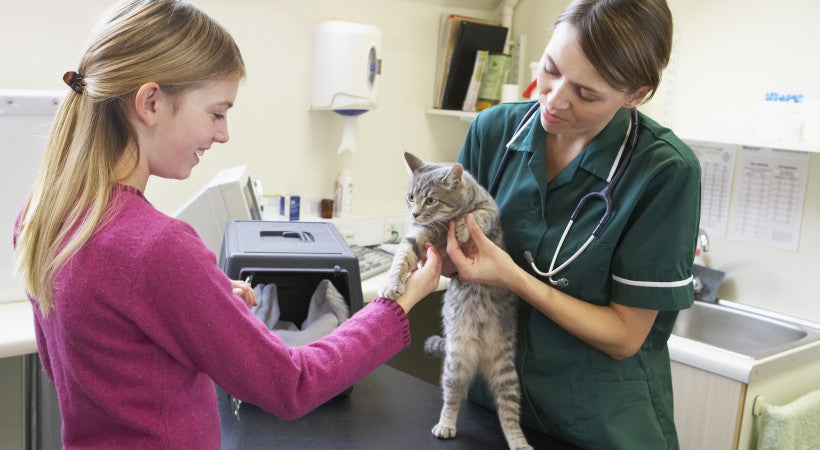
Standard treatment plans for GS-441524 FIP typically last around 12 weeks, though the duration may be adjusted based on individual response. Even if clinical signs resolve early, completing the full GS-441524 FIP treatment course is essential, as stopping prematurely increases the risk of relapse. The longer period makes sure that any remaining virus populations are gone and stops them from starting to replicate again. Long-term success rates are directly linked to following the full procedure.
Some doctors suggest slowly lowering the amount in the last few weeks of treatment instead of stopping all at once, but there isn't much evidence to back this yet. The tapering theory says that the immune system should gradually take over controlling viruses. Keeping an eye on blood values during the last few weeks of treatment and the first few weeks afterward gives doctors confidence that the recovery will last. Setting up follow-up visits one, three, and six months after treatment helps find rare cases of return quickly.
Monitoring Parameters and Relapse Detection

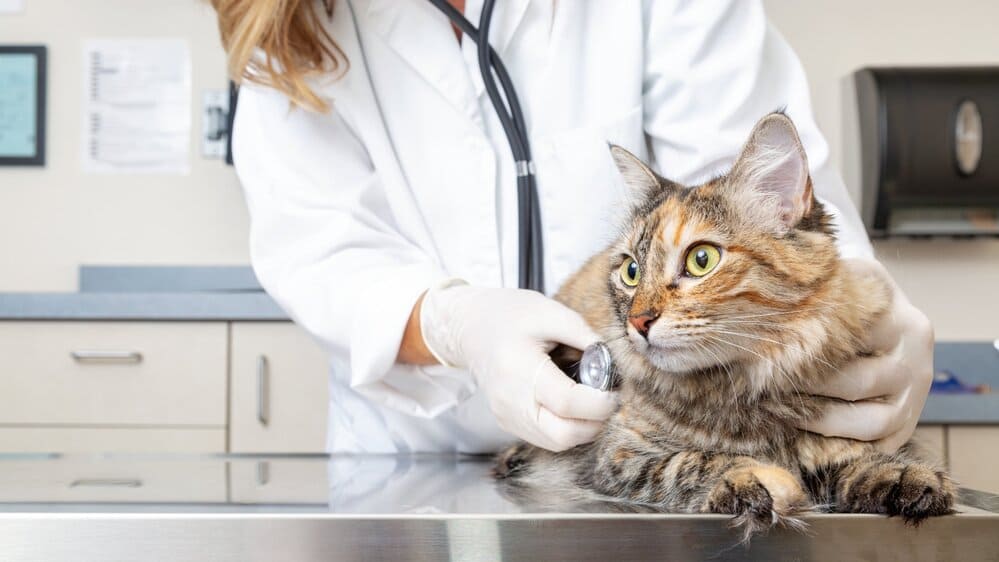
As portion of post-treatment observing, patients are given customary physical exams, full blood tallies, natural chemistry profiles, and, if required, imaging tests or liquid examinations. Lab readings that remain steady and are inside standard limits appear that reduction has been kept up. If clinical signs like fever, languor, or failure to eat or drink come back, you ought to take your pet to the vet right absent. Early revelation of return permits treatment to begin once more right absent, which as a rule leads to reduction restoration.
Most backslides happen in the to begin with six months after treatment closes, which is why this is such an critical time to keep a near eye on things. After this window, return is less likely to happen, so pet proprietors can go back to their ordinary lives without having to keep a near eye on their pets all the time. Being mindful of these time patterns can offer assistance you control your desires and feel less pushed after treatment.
Quality of Life and Life Expectancy Normalization

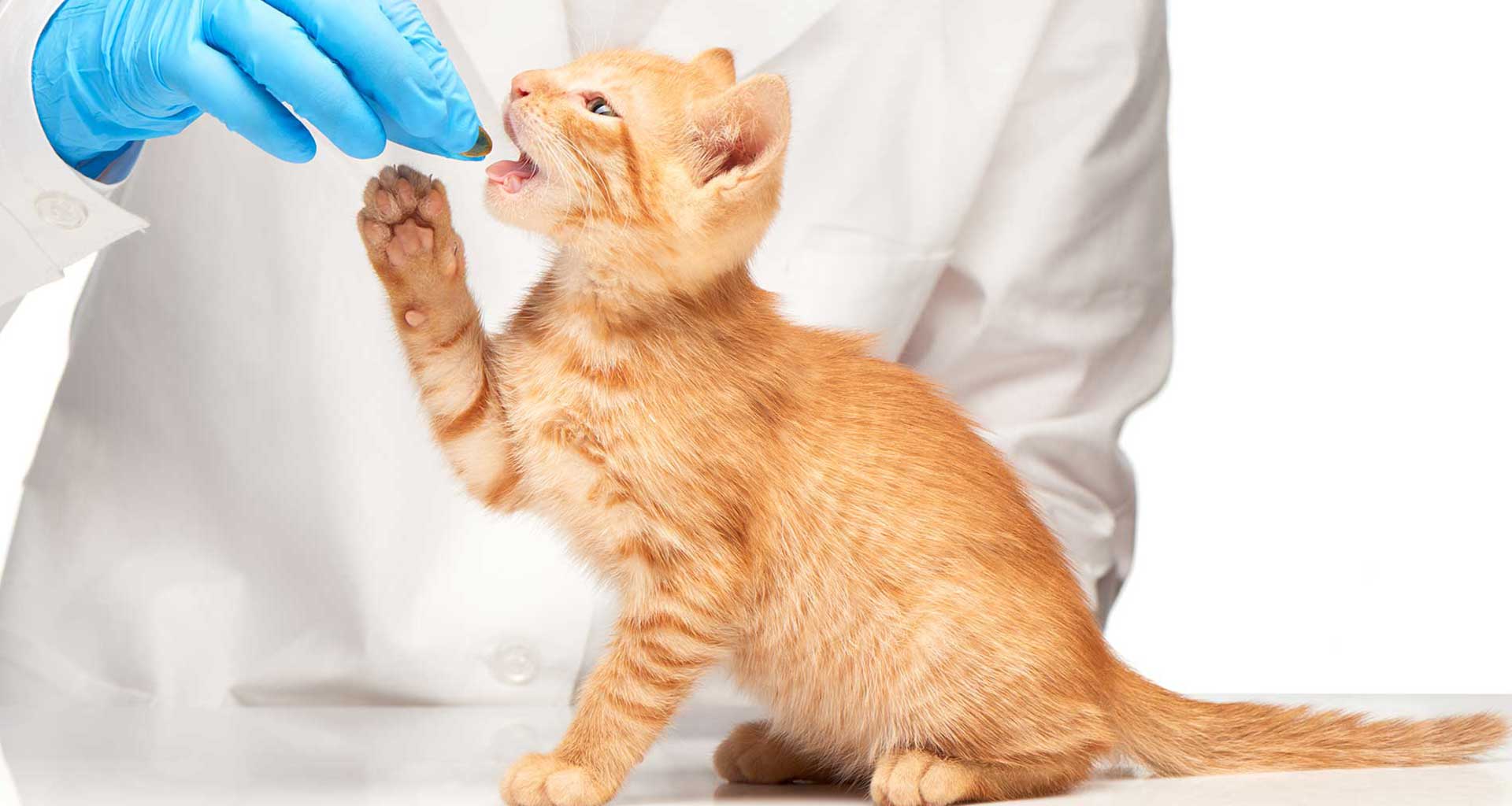
Cats that have been effectively treated have the same quality of life as their companions who have never had the infection. They carry on regularly like cats, keep their bodies in great shape, and appear no signs of ailment. When full recuperation is come to, the past disease and treatment do not appear to have any impact on life hope. The disease is no longer a wellbeing issue for these cats since they live to be old.
The treatment's awesome esteem is appeared by the mental impacts on cat proprietors who see their cat go from being truly debilitated to completely solid. Numerous individuals who take care of creatures say that the encounter, whereas unpleasant and requesting at to begin with, makes their bond with the creature more grounded in the long run. The great result approves the devotion required amid treatment and gives long-lasting pleasure.

Conclusion
The discovery of GS-441524 fip treatment methods has completely changed the field of feline medicine, turning a condition that used to be fatal into one that can be treated and has a very good outlook. This compound's unique way of stopping viral reproduction, along with its good pharmacological qualities and wide-ranging effectiveness, makes it the best way to treat viral infections. Clinical proof from thousands of treated cases shows that recovery rates are consistently higher than 80%, and the effects last for a long time. Early treatment improves outcomes by limiting viral spread and preserving organ function. Proper dosing and extended courses remain effective even in neurological or ocular cases, with low resistance risk. Completing therapy ensures true recovery, not temporary relief. Strong clinical evidence gives veterinarians and pet owners confidence, marking a major breakthrough in FIP treatment success.
FAQ
1. What is the typical treatment duration required for complete remission in FIP cases?
Standard treatment usually lasts 12 weeks but may vary by disease type and response. Neurological or ocular cases often need longer courses. Early stopping increases relapse risk, so veterinarians adjust duration based on symptoms and lab monitoring.
2. Can cats that complete treatment successfully live normal lifespans?
Cats that complete treatment and reach remission typically live normal lifespans. Long-term follow-ups show no lasting health effects, with cats returning to normal activity, maintaining healthy condition, and facing no increased risk of future illness.
3. How quickly do clinical improvements become apparent after treatment initiation?
Clinical improvement often appears within 48–72 hours, including better appetite and energy. Fever resolves quickly, while fluid reduction takes weeks. Neurological recovery is slower. Lab normalization follows later, with consistent improvement usually seen within the first week.
Partnering With BLOOM TECH for Pharmaceutical-Grade GS-441524 FIP Supplier Solutions
BLOOM TECH supplies pharmaceutical-grade GS-441524 FIP with purity exceeding 98%, produced in GMP-certified facilities. Supported by HPLC and mass spectrometry data, the company has 12+ years of synthesis expertise and partnerships with major pharmaceutical firms. Its three-tier quality control system ensures consistency, while regulatory support and competitive pricing strengthen long-term collaboration. BLOOM TECH serves pharmaceutical, biotech, CDMO, and distribution clients with flexible manufacturing from research to bulk scale. Cold-chain logistics maintain product stability, and ERP-based tracking ensures transparent procurement. Reliable supply systems and technical support help partners maintain consistent operations and support effective therapeutic development and patient care. Get in touch with our knowledgeable staff right away to talk about your GS-441524 fip buying needs. Email Sales@bloomtechz.com to get full product specs, quotes, and legal paperwork. Let BLOOM TECH become your go-to partner for improving cats' health by giving them stable access to this new therapeutic drug.
References
1. Pedersen NC, Perron M, Bannasch M, Montgomery E, Murakami E, Liepnieks M, Liu H. Efficacy and safety of the nucleoside analog GS-441524 for treatment of cats with naturally occurring feline infectious peritonitis. Journal of Feline Medicine and Surgery. 2019;21(4):271-281.
2. Murphy BG, Perron M, Murakami E, Bauer K, Park Y, Eckstrand C, Liepnieks M, Pedersen NC. The nucleoside analog GS-441524 strongly inhibits feline infectious peritonitis virus in tissue culture and experimental cat infection studies. Veterinary Microbiology. 2018;219:226-233.
3. Dickinson PJ, Bannasch M, Thomasy SM, Murthy VD, Vernau KM, Liepnieks M, Montgomery E, Knickelbein KE, Murphy B, Pedersen NC. Antiviral treatment using the adenosine nucleoside analogue GS-441524 in cats with clinically diagnosed neurological feline infectious peritonitis. Journal of Veterinary Internal Medicine. 2020;34(4):1587-1593.
4. Krentz D, Zenger K, Alberer M, Felten S, Bergmann M, Dorsch R, Matiasek K, Fischer A, Kolberg L, Hofmann-Lehmann R, Meli ML, Rieger A, Leutenegger C, Hartmann K. Curing cats with feline infectious peritonitis with an oral multi-component drug containing GS-441524. Viruses. 2021;13(11):2228.
5. Jones S, Novicoff W, Nadeau J, Evans S. Unlicensed GS-441524-like antiviral therapy can be effective for at-home treatment of feline infectious peritonitis. Animals. 2021;11(8):2257.
6. Brahm M, Kunz J, Keller S, Cozzi A, Rütten M, Stengel M, Kipar A, Plattet P, Zwickl F, Naegeli H, Sigrist B. Treatment of cats with feline infectious peritonitis using injectable remdesivir and oral GS-441524 analogs. Journal of Feline Medicine and Surgery. 2024;26(3):e159-e172.