


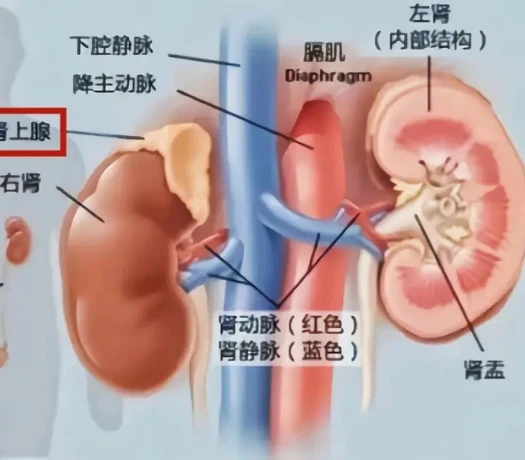
Quietly sitting on top of the kidneys, the adrenal glands have a significantly greater effect on the body than most people know. These tiny glands govern the release of cortisol, blood pressure stability and metabolic balance via a finely regulated sequence of chemical signals. When you break this chain , researchers and doctors commonly resort to drugs that may block or alter steroid synthesis at a certain enzymatic step . The trilostane capsule has been one of the most researched instruments for this aim in laboratory and veterinary pharmacology. In this article we go into how this substance interacts with adrenal steroidogenesis, what occurs throughout the three cortical zones, and how the pituitary-adrenal feedback loop reacts. By the end you'll have a good knowledge of the hormone route and why finding a quality, well documented product is important.
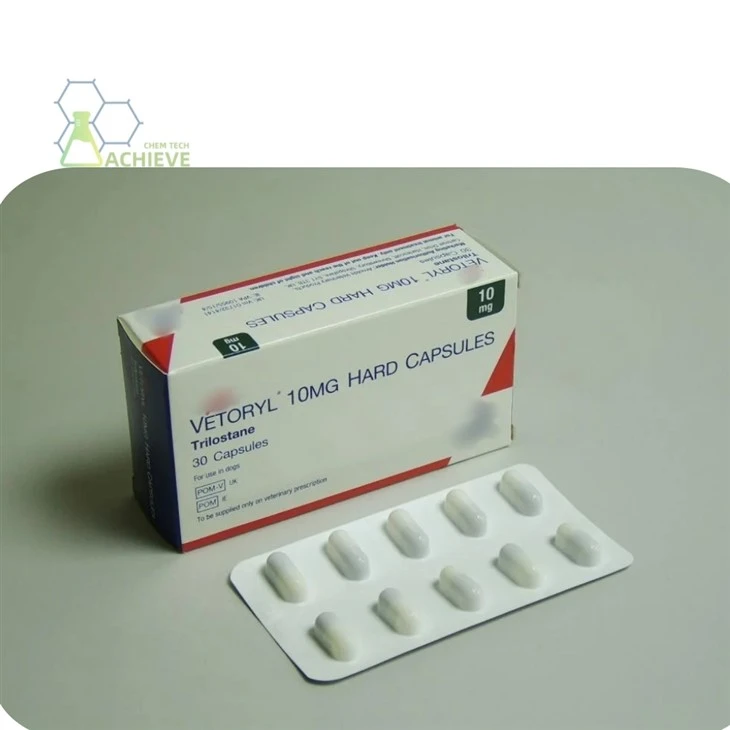
Trilostane Capsule
1.General Specification(in stock)
(1)Injection
Customizable
(2)Tablet
Customizable
(3)API(Pure powder)
PE/Al foil bag/ paper box for Pure powder
HPLC≥99.0%
2.Customization:
We will negotiate individually, OEM/ODM, No brand, for secience researching only.
Internal Code: BM-6-010
How Does Trilostane Capsule Influence Steroid Production in the Adrenal Cortex?
In the adrenal cortex , creation of steroid hormones involves a series of enzymatic transformations of cholesterol to useable hormones . The trilostane capsule affects one enzyme in that chain and modifies the downstream behavior of the complete cascade. Understanding this process will help researchers in their endeavors to understand why this substance is employed in controlled investigations of adrenal physiology in the laboratory.
The Role of 3-Beta-Hydroxysteroid Dehydrogenase
3-beta-hydroxysteroid dehydrogenase (3β-HSD) is a gatekeeper enzyme in the early steps of the steroidogenesis process. It converts precursors such as pregnenolone and 17-hydroxypregnenolone into progesterone and 17-hydroxyprogesterone. Trilostane is a competitive inhibitor of this enzyme . This means it competes for where the enzyme would bind . This lowers the conversion rate and causes a bottleneck that researchers can see and study in lab models.
Why Enzyme Inhibition Matters for Steroidogenesis
If this bottleneck arises then the entire downstream chain of production slows down.
Cortisol, aldosterone, and other sex hormone precursors all need this initial stage of conversion, hence restriction has a ripple impact throughout several hormone families.
This feature is often utilized by labs studying adrenal function to mimic the impact of hormone suppression on dependent physiological systems, offering a controlled method for examining steroidogenic activity.
Dose-Dependent Enzymatic Response
The concentration employed in the investigation determines the degree of enzyme inhibition. Lower amounts result in partial suppression, greater concentrations in a more complete block. The compound's dose-responsiveness is beneficial in comparative pharmacology, where researchers are interested in mapping a gradient of enzyme activity, not just an on-off impact.
Bloomtechz delivers this chemical with HPLC purity testing more than 99.0% to enable the kind of reliable findings that dose-response studies need.
Trilostane Capsule and Hormone Synthesis Across the Three Adrenal Cortical Zones
The adrenal cortex is not a homogeneous tissue. It is divided into three primary zones with each zone producing a particular kind of hormone. The trilostane cap does not treat these zones equally, and the differences may help explain why the effects appear varied depending on the hormone pathway a researcher is looking at.
Zona Glomerulosa and Aldosterone Output
The outer zone is the zona glomerulosa, which secretes aldosterone, the hormone that governs sodium and potassium balance. This zone is particularly reliant on the same early enzymatic step targeted by trilostane and so aldosterone production frequently dramatically falls with medication. In investigations of fluid balance and management of electrolytes, they commonly refer to this zone in attempting to establish how enzyme inhibition leads to an observable physiological change.
Zona Fasciculata and Cortisol Regulation
In the middle layer, the zona fasciculata, cortisol is produced.
Cortisol is the hormone primarily connected with stress response and control of metabolism. This zone is one of the most affected by trilostane exposure, since 3β-HSD pathway is also required for cortisol production.
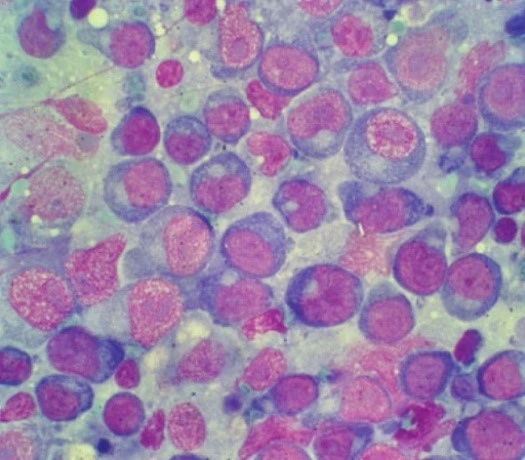
The main indication for how well the substance is performing in lab models is often cortisol production, because the variations in this one are usually simpler to quantify than other hormone categories.
Zona Reticularis and Androgen Precursor Shifts
The innermost zone, the zona reticularis, is important for the synthesis of androgen precursors such dehydroepiandrosterone (DHEA). The reaction of this zone is more complicated. Some of the precursor compounds may entirely bypass the paused enzymatic process. This zone is of interest to researchers examining hormone precursor activity because it demonstrates that biological systems may sometimes divert production when one channel is blocked.
Bloomtechz provides technical documentation to assist laboratories in confirming chemical identification prior to doing zone-specific investigations like LC-MS and HNMR data.
How Does Trilostane Capsule Affect ACTH-Driven Adrenal Steroidogenesis?
ACTH is adrenocorticotropic hormone, which is generated by the pituitary gland . ACTH is the primary signal to the adrenal cortex to produce steroid hormones . The picture of adrenal control is more convoluted. The trilostane capsule worked on this signaling link in more than one way, not simply a simple inhibition of the enzyme.
ACTH Receptor Binding and Downstream Signaling
ACTH binds to melanocortin 2 receptors on adrenal cortex cells and initiates a cascade that increases cholesterol transport into the mitochondria, where steroid synthesis occurs. There is no direct interaction of Trilostane in the receptor binding at this phase. Instead it works a little farther down the line, so the adrenal gland still receives the "make more hormones" instruction from ACTH, but the machinery of enzymes required to fulfilll that order is partially obstructed.
Compensatory Adrenal Gland Response
Production is decreased but the signal is still there and usually the adrenal cortex will try to compensate.

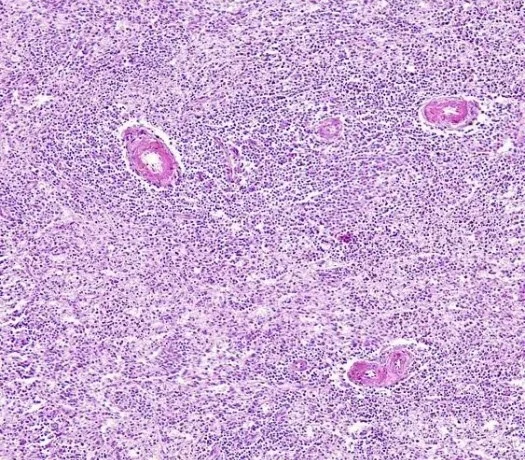
In lab models this might appear as greater cellular activity or slight expansion of the tissue of the adrenal glands, since the tissue is literally working harder to push past the enzymatic bottleneck. Those researchers who are interested in this compensatory activity understand how resilient adrenal tissue may be when it is exposed to partial metabolic constraint.
Timing Considerations in ACTH-Related Studies
The timing of ACTH-driven steroidogenesis is often studied since ACTH release is arranged around a daily cycle linked to circadian rhythms. Measuring hormone production associated with this cycle improves the trustworthiness of comparative results.
Bloomtechz's internal R&D support personnel can help laboratories tailor their sample schedules around these natural hormonal changes, boosting the overall quality of research results.
Adrenal Hormone Precursor Accumulation During Trilostane Capsule Treatment
When you inhibit an enzyme it does not only reduce the final hormone product. That implies the upstream molecules of that enzyme collect, since there is no other place for them to go. One of the most academically interesting effects of the trilostane capsule research is the accumulation effect, which offers an insight into the method by which feedback systems sense and respond to biochemical imbalance.
Pregnenolone and 17-Hydroxypregnenolone Buildup
Accumulation Trilostane blocks the conversion of pregnenolone and 17-hydroxypregnenolone to their downstream metabolites, leading to their accumulation in adrenal tissue after medication. Researchers typically measure the buildup of precursors as evidence that the enzyme is being inhibited as predicted . The pattern of accumulation also provides some indication of the efficiency of metabolism of steroid precursors by the adrenal cortex under normal, unblocked conditions.
Secondary Pathway Activation

When precursor molecules build up, some of them are diverted onto alternate metabolic pathways that are not usually very busy. This may lead to minor bumps in hormones that are not usually visible. The body is simply seeking routes around the blocked pathway.

Lab investigations along these additional pathways help provide a more thorough picture of adrenal steroidogenesis outside of the main cortisol and aldosterone pathways.
Measuring Precursor Levels in Research Settings
Accurate quantification of precursor accumulation needs precise analytical methods since these molecules are typically present at lower quantities than the final hormone products. Still, liquid chromatography-mass spectrometry is one of the chosen procedures for this sort of precise work. Bloomtechz's trilostane capsule capsules come with LC-MS analysis, allowing research teams a trusted starting point for precursor-focused investigations without having to seek out independent verification services.
How Does Trilostane Capsule Influence the Endocrine Feedback Between the Pituitary Gland and Adrenal Glands?
The pituitary and adrenal glands communicate with each other in a feedback loop, frequently referred to as the hypothalamic-pituitary-adrenal axis. This loop is broken in a specific way by the trilostane capsule. Reduced cortisol production alters the way the pituitary gland perceives the hormonal condition in the body and this in turn influences the quantity of ACTH it generates.
Negative Feedback Disruption
Normally, the pituitary takes the message and slows down producing ACTH. This helps to keep the system balanced. Trilostane lowers cortisol production and the pituitary gland increases secretion of ACTH in response to reduced inhibitory signal it detects. This creates a feedback loop that works against the enzyme inhibition. The more ACTH, the greater stimulation of the previously blocked pathway. Researchers often describe this dynamic as a tug-of-war between suppression and compensation.
Pituitary Gland Sensitivity Changes

If cortisol levels remain low for lengthy periods, the pituitary gland may become gradually less sensitive to feedback signals.

In certain laboratory models, persistent exposure has revealed that a recalibrated baseline may be reached where the pituitary gland readjusts its expectations for the production of ACTH. This adaptive response is beneficial for researchers that are interested in the long-term endocrine regulation, not only short-term enzymatic blockage.
Implications for Long-Term Adrenal Monitoring
Rather than monitoring hormones once, experts often suggest reviewing hormone panels occasionally, since the feedback loop continues to evolve throughout extended studies. The view of ACTH and cortisol together over time is a lot clearer than either one alone. Bloomtechz technical team and R&D department may advise laboratories on how often to do monitoring based on the design and duration of the study.
Conclusion
No single enzyme or hormone could explain all the moving parts in the cascade for adrenal hormones. Really , steroidogenesis is a tiered system , where each component influences the others . From the three cortical zones to the pituitary feedback loop . The trilostane capsule still traverses this system at a discrete, well-characterized location, and so continues to be a helpful research tool, providing researchers with a reliable way of studying enzyme inhibition and its downstream consequences. Whether your research is on precursor accumulation, ACTH signaling, or zone-specific hormone synthesis, a consistent, well-documented source for this molecule makes a difference you can quantify in quality and repeatability.
FAQ
1. What makes trilostane different from other adrenal-related research compounds?
+
-
Trilostane acts exclusively on 3-beta-hydroxysteroid dehydrogenase, an enzyme early in the steroidogenesis process. This means that it has a wider downstream impact than chemicals that operate on more isolated, single-hormone pathways.
2. How is purity verified for research-grade trilostane?
+
-
Pureness is tested by HPLC analysis and typically confirmed by LC-MS and HNMR from reliable sources. These three processes collectively establish the identification and concentration of the chemical before it is sent to a laboratory.
3. Can trilostane be customized into different formulations for research purposes?
+
-
Yes, competent manufacturers of OEM and ODM manufacturing may modify the substance into capsule, tablet or raw powder form according to the individual study procedure and intended use.
Work With Bloomtechz: Your Trusted Trilostane Capsule Supplier
For over a decade, Bloomtechz has honed its skills in synthesis of organic compounds and the manufacture of pharmaceutical intermediates and our GMP certified production facility is proof of that devotion. Each batch of trilostane is tested three times, in the plant, by our internal QA/QC department and a third party authority. We are a certified supplier to over 20 multinational pharmaceutical and research companies therefore our paperwork, lead times and price structures are based on genuine responsibility not guessing. For those who are looking for a reliable source of trilostane capsules with transparent prices and confirmed analytical certificates, please reach out to our staff at Sales@bloomtechz.com. You have at your disposal for your study exact specs and a reliable supply.
References
1. Neiger, R., Witt, A.L., Noble, A., & German, A.J. (2004). Trilostane therapy for treatment of pituitary-dependent hyperadrenocorticism in dogs. Journal of Veterinary Internal Medicine.
2. Ramsey, I.K. (2010). Trilostane in dogs. Veterinary Clinics of North America: Small Animal Practice.
3. Wenger, M., Mueller, C., Kook, P.H., & Reusch, C.E. (2004). Ultrasonographic evaluation of adrenal glands in dogs treated with trilostane. Veterinary Record.
4. Cerundolo, R., Lloyd, D.H., Persechino, A., Evans, H., & Cauvin, A. (2004). Treatment of canine Alopecia X with trilostane. Veterinary Dermatology.
5. Alenza, D.P., Arenas, C., Lopez, M.L., & Melian, C. (2006). Long-term efficacy of trilostane administered twice daily in dogs with pituitary-dependent hyperadrenocorticism. Journal of the American Animal Hospital Association.
6. Eckersall, P.D., & Lawrie, C.M. (1988). Changes in plasma cortisol and enzyme activity following administration of trilostane in canine hyperadrenocorticism. Research in Veterinary Science.