


The trilostane capsule is an important reference for researchers who are investigating the routes of adrenal hormones. Cortisol control is a common subject in many physiological debates. This substance is used to target a particular phase of the enzymatic process of steroidogenesis . This makes it a very good tool for labs and manufacturers who are doing work with cortisol . Understanding how this capsule interacts with biological pathways, will allow researchers, procurement teams and pharmaceutical producers to make better choices on sourcing and use. The processes, biosynthetic routes, and physiological reactions to exposure to trilostane are reviewed. This guide will discuss the events that occur at the cellular level and why this substance is important for a variety of research uses whether you are a lab management looking for bulk amounts or a formulation scientist exploring dosage formulations. At the conclusion of this post readers will also discover useful sourcing information.
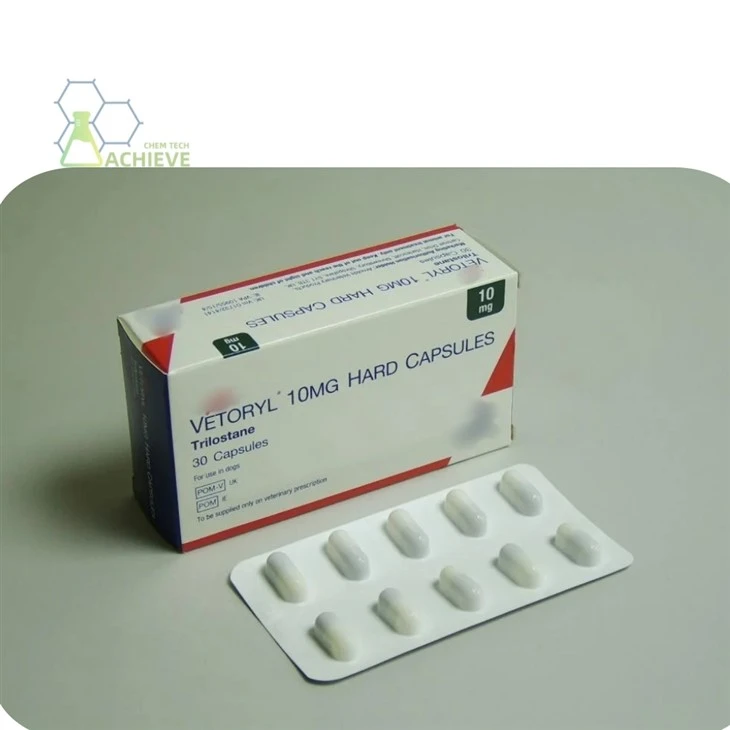
Trilostane Capsule
1.General Specification(in stock)
(1)Injection
Customizable
(2)Tablet
Customizable
(3)API(Pure powder)
PE/Al foil bag/ paper box for Pure powder
HPLC≥99.0%
2.Customization:
We will negotiate individually, OEM/ODM, No brand, for secience researching only.
Internal Code: BM-6-010
How Does Trilostane Capsule Interfere With the Biochemical Steps of Cortisol Production?
Cortisol production originates in the adrenal cortex and follows a series of strictly controlled enzymatic steps. The trilostane capsule specifically blocks one of the first conversion processes in this cascade and hence results in a different production of downstream hormones. This chemical is studied a lot by endocrine scientists because it gives a controlled technique to see what occurs when one enzymatic checkpoint is inhibited.
The Enzyme Target Within Steroidogenesis
Trilostane works mainly by blocking 3-beta-hydroxysteroid dehydrogenase, an enzyme that transforms precursor molecules into useable steroid intermediates. The enzyme is at a branch point where multiple hormone pathways divide, including those that lead to cortisol, aldosterone and sex hormones. By inhibiting this enzyme, trilostane measurably slows down the whole downstream chain. Laboratory results from numerous investigations demonstrate similar suppression patterns when this drug is given to adrenal cell cultures.
Why Enzyme Inhibition Matters for Research Models

Researchers depend on the predicted inhibition of enzymes to develop accurate experimental models. The trilostane capsule provides this predictability,

and its impact on 3-beta-HSD is well reported in the veterinary and comparative endocrinology literature. This enables scientists to duplicate results under varied test conditions thereby improving the dependability of findings on adrenal function and control of cortisol.
Comparing Trilostane to Other Steroidogenesis Inhibitors
There are a number of chemicals that block the synthesis of steroid hormones . Trilostane is special in that it blocks one specific enzymatic step , rather than a more general block of numerous pathways . This selectivity eliminates undesired influence in other hormone systems, enabling researchers to more accurately identify cortisol-specific consequences.
This molecule is favored by laboratories for this same reason, since they want focused suppression without disturbing the whole hormonal networks.
Trilostane Capsule and the Role of Pregnenolone in Cortisol Biosynthesis
Pregnenolone is the parent molecule of practically every steroid hormone generated in the adrenal gland. Researchers are gaining a better picture of precisely where the cortisol manufacturing chain is disturbed, thanks to their understanding of how the trilostane capsule interacts with this precursor molecule. This part looks at the metabolic connection between pregnenolone conversion and trilostane's inhibitory effect.
Pregnenolone as the Starting Point for Steroid Hormones
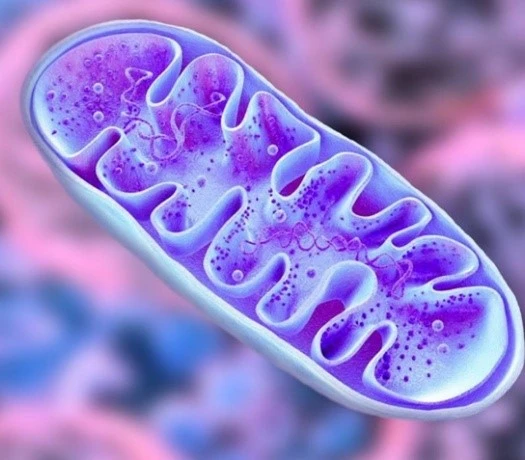
Inside the mitochondria, cholesterol is transformed to pregnenolone, a process that involves the cytochrome P450 enzymes. From here, pregnenolone splits off into other pathways, depending on which enzymes are triggered next. One of these mechanisms leads to a sequence of hydroxylation and oxidation events leading into cortisol. Trilostane acts on the phase of conversion just after the creation of pregnenolone, so that the molecule is still made but its transformation in the subsequent intermediate is inhibited.
How Trilostane Capsule Limits Downstream Conversion
If the body builds up pregnenolone and doesn't have enough enzyme to convert it, researchers may see a buildup effect.

They can detect this using blood or tissue samples. This pattern of buildup offers scientists with vital data as they map out how rapidly adrenal tissue reacts to enzyme inhibition. The trilostane capsule has a bottleneck effect and does not completely shut down production, similar to other naturally occurring enzyme deficits described in comparative physiology.
Measuring Pregnenolone Levels in Experimental Settings
Laboratories commonly utilize chromatography-based techniques to evaluate accumulation following trilostane exposure to monitor pregnenolone concentrations. These measures assist validate that the drug is operating at the designated biochemical checkpoint and not disrupting other processes.
Consistent rise of pregnenolone together with a decrease in cortisol production is a solid sign that the inhibitory mechanism is operating well in a controlled research setting.
How Does Trilostane Capsule Change Cortisol Output in the Adrenal Zona Fasciculata?
The zona fasciculata is the central layer of the adrenal cortex and is the main location of cortisol synthesis. If you add a trilostane capsule to this biological milieu, you see changes in hormone production that may be monitored by different methods of sampling. The section examines what occurs structurally and functionally in this particular adrenal layer.
Structural Characteristics of the Zona Fasciculata
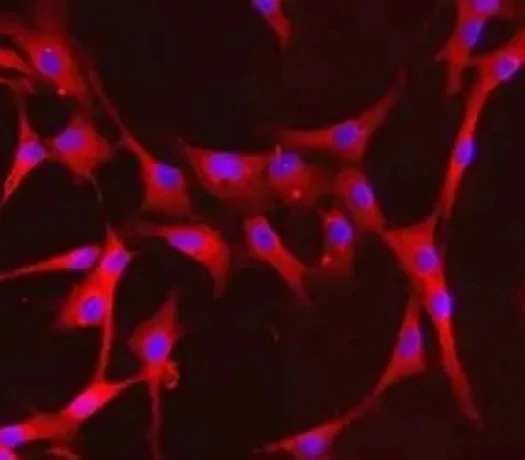
The middle adrenal layer is composed of cells organized in parallel cords that are abundantly supplied with lipid droplets storing cholesterol precursors required for steroid production. These rely significantly on enzymatic machinery such as 3-beta-HSD to convert stored precursors to active cortisol molecules. So what happens when trilostane is introduced into this cellular milieu ? It directly inhibits the concentration of the enzyme accessible for conversion , limiting the cellular output capacity , without modifying the physical structure of the tissue itself .
Observed Changes in Hormone Secretion Patterns
Studies of adrenal tissue samples taken following trilostane exposure have shown a significant decrease in cortisol production rates, often within hours after injection. The fast reaction makes the chemical helpful for short-term experimental designs where researchers require instant input on enzymatic suppression.
The zona fasciculata continues to try to create cortisol via feedback signaling, but the enzymatic bottleneck restricts how much is ultimately released into circulation.
Tissue-Level Adaptations Over Extended Exposure
Longer exposures provide further insights of cellular adaptability. Mild compensatory alterations are seen in certain adrenal tissue samples, including higher storage of precursors, as the cells try to compensate for the lower conversion efficiency. These modifications give vital insight into the response of adrenal tissue to extended enzymatic suppression and has implications for long-term study designs using chronic administration procedures.
The Relationship Between Trilostane Capsule Exposure and Circulating Cortisol Levels
One of the most practical ways of judging how well a trilostane capsule reduces adrenal hormone secretion is to monitor the level of cortisol in the blood. This section discusses the relationship between given dose, absorption characteristics and variations in circulating cortisol concentrations recorded in different study scenarios.
Dose-Dependent Suppression Patterns
The research findings consistently demonstrate a link between the levels of dose delivered with cortisol suppression, although not in a strictly linear manner. Lower dosages are somewhat suppressive while greater doses are more profoundly suppressive of circulating cortisol . This dose-response relationship enables researchers to adjust experimental techniques depending on the degree of suppression required for a given study purpose.
Timing and Duration of Cortisol Reduction
Trilostane is given , and within a few hours the circulating cortisol levels usually start to fall .
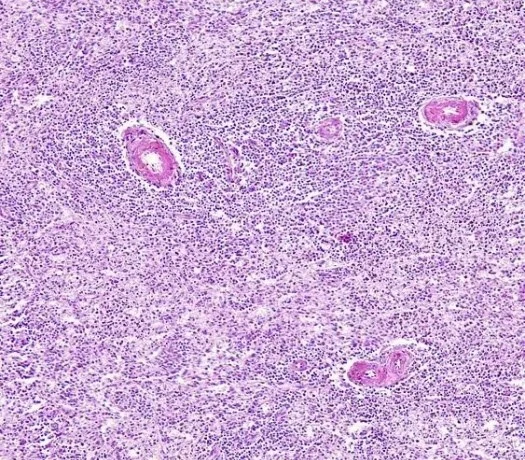
The peak suppression occurs at different times , depending on how fast it is absorbed and on the metabolic parameters of the person .

Researchers following this timeframe will generally take blood samples at many time points to create a full suppression curve. This data is very useful when comparing various kinds of formulation such as capsule vs tablet administration techniques.
Factors Influencing Absorption and Bioavailability
So trilostane is not very soluble in water and that poses some issues in ensuring it is absorbed consistently . Researchers use different formulation approaches to overcome this . For investigations requiring constant dosage precision, capsule formulations are generally chosen than raw powders since they often provide more predictable release patterns.
Other factors, such as the presence of contemporaneous meal consumption,individual metabolic rate and stomach pH contribute to heterogeneity in the speed with which cortisol suppression occurs after delivery.
How Does Trilostane Capsule Alter the Hormonal Response to ACTH Stimulation?
Adrenocorticotropic hormone (ACTH) ordinarily stimulates the adrenal cortex to produce cortisol via a well-characterized signaling mechanism. Introducing a trilostane capsule into this system alters the adrenal tissue's response to ACTH signaling, providing a novel avenue for researchers to investigate the breakdown of feedback loops.
Normal ACTH Signaling Without Interference
In normal physiological settings, ACTH binds to receptors on adrenal cortex cells, activating a cascade which eventually boosts the synthesis of cortisol. This signaling pathway includes the stimulation of cyclic AMP and the subsequent mobilization of enzymes, including the same 3-beta-HSD enzyme that trilostane targets. Knowing this baseline reaction enables investigators to quantify how much variance happens when trilostane enters the system.
ACTH Stimulation Testing Alongside Trilostane Administration
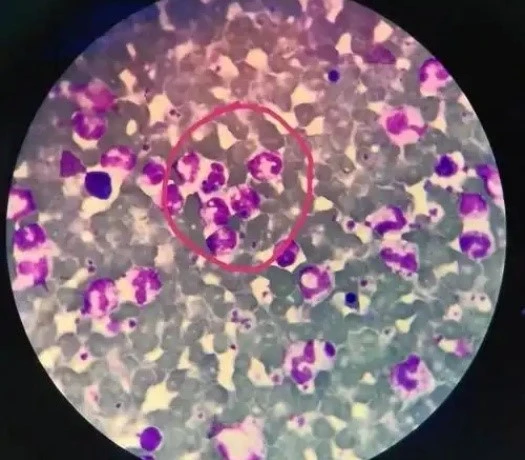
ACTH stimulation assays are often used in research procedures to assess adrenal reserve capacity before and after exposure to trilostane. Usually they do these tests by injecting synthetic ACTH and detecting the rise in cortisol.

With the addition of trilostane, the predicted cortisol rise is much attenuated. Thus, the enzymatic blockade is still effective even with powerful stimulatory signals.
Feedback Loop Adjustments and Pituitary Response
The hypothalamic-pituitary-adrenal axis monitors the levels of circulating cortisol and modulates ACTH secretion appropriately. When trilostane inhibits cortisol synthesis, the pituitary gland typically increases ACTH output in an effort to compensate for the apparent deficit. This compensation gives researchers with extra data points on the response of the whole feedback system to long-term enzymatic interference and thereby knowledge beyond just measuring cortisol.
Conclusion
A trilostane capsule works on cortisol production in a method that is mapped out and shows a specific, enzyme-based mechanism of action, intervening at many different junctions in the adrenal hormone pathway. This chemical provides a viable model for researchers to explore the stoppage of steroidogenesis, from the buildup of pregnenolone to the disruption of ACTH feedback. It is consistent in its activity on 3-beta-HSD making it a reliable option for labs researching adrenal function, hormone control and associated physiological problems. Knowing the mechanics behind it may help researchers and purchasing teams to know how to properly use this substance in their study design.
FAQ
1. What makes trilostane capsule different from raw powder formulations?
+
-
Capsules also absorb more consistently and are dosed more accurately than raw powder, making them desirable in studies where predictable findings are desired.
2. How quickly does cortisol suppression occur after trilostane exposure?
+
-
Suppression usually occurs within a few hours, although the precise time varies on the dose, kind of formulation, and individual metabolic factors.
3. Is trilostane selective toward cortisol pathways only?
+
-
Trilostane's primary target is 3-beta-HSD, involved in the generation of cortisol, although it has a little effect on other steroid hormone routes as well.
Why Choose Bloomtechz as Your Trilostane Capsule Supplier
Bloomtechz has GMP certified production capabilities and more than a decade of expertise in organic chemical synthesis to deliver for every request. Our facilities are certified by US-FDA, EU, JP and CFDA agencies. Thus we ensure the same quality in all manufactured batches. We are a reputable manufacturer of trilostane capsules and can provide fair pricing, predictable lead times monitored by our ERP system, and a triple-stage quality certification process prior to any goods leaving our plant. Clients in pharmaceutical R&D, specialty chemical, and formulation laboratory industries depend on our one-stop shop service approach to quickly take projects from lab-scale testing to bulk manufacture. We provide complete refunds on the damaged products in case of failure of quality requirements. Contact us immediately at Sales@bloomtechz.com to discuss your sourcing requirements and get precise prices for your research needs.
References
1. Potts, G.O., Creange, J.E., Hardomg, H.R., and Schane, H.P. "Trilostane, an orally active inhibitor of steroid biosynthesis." Steroids journal publications on adrenal enzyme inhibition studies.
2. Ruckebusch, Y. and Toutain, P.L. Comparative Veterinary Pharmacology reference materials covering adrenal steroidogenesis inhibitors.
3. Neiger, R., Witt, A.L., Noble, A., and German, A.J. Clinical endocrinology research covering trilostane treatment protocols and adrenal hormone monitoring.
4. Ramsey, I.K. Veterinary internal medicine textbook sections addressing adrenal cortex physiology and enzymatic inhibition mechanisms.
5. Chapman, P.S., Kelly, D.F., Archer, J., Brockman, D.J., and Neiger, R. Histopathological studies examining adrenal tissue response to prolonged enzyme inhibitor exposure.
6. Bartsch, R.C. and Buchanan, B.R. Zoological and comparative endocrinology literature addressing ACTH stimulation testing methodologies.