




The core mechanism of octreotide acetate solution is to inhibit adenylate cyclase activity, reduce intracellular adenosine monophosphate levels, thereby blocking hormone synthesis and release, while regulating vascular function and cell proliferation. This drug is mainly suitable for the following clinical scenarios: emergency treatment of esophageal gastric variceal bleeding caused by cirrhosis, reducing visceral blood flow to lower portal vein pressure, and significantly reducing the rate of rebleeding when combined with endoscopic therapy.
Prevent postoperative complications such as pancreati fistula and infection by inhibiting pancreati enzyme secretion; Relieve symptoms related to gastrointetinal and pancreati endocrine tumors, including flushing and diarrhea of carcinoid syndrome and refractory ulcers of gastrinoma, by inhibiting neoplasm secretion hormons; Control symptoms of acromegaly, reduce levels of growth hormon and insulin-like growth factor-1, and improve symptoms such as headache and joint pain.




Octreotide Acetate COA


Octreotide acetate solution (Oxtreotide) is an artificially synthesized octapeptide compound, which is an analog of tetradecyl peptide human somatotatin. Its mechanism of action simulates the function of natural somatotatin, and after binding to specific receptors, it has a wide range of regulatory effects on multi system hormon exudation, vascular function, and cell proliferation.
Core mechanism of action: regulation of receptor-mediated signaling pathways
Oxtreotide activates intracellular signaling pathways, inhibits adenylate cyclase activity, reduces intracellular cyclic adenosine monophosphate (cAMP) levels, and blocks hormon synthesis and release by binding with high affinity to somatotatin receptor (SSTR) subtypes (mainly SSTR2, SSTR5). This mechanism plays a central role in the following key physiological processes:

Hormone secretion inhibition
Growth hormon (GH) regulation: In the treatment of acromegaly, oxtreotide inhibits GH exudation in the anterior pituitary gland, reduces serum insulin-like growth factor-1 (IGF-1) levels, and alleviates symptoms of headache, joint pain, and soft tissue hyperplasia. Clinical studies have shown that long-term medication can reduce GH levels in 60% -70% of patients to the normal range.
Pancreati endocrine regulation: inhibits glucagon exudation and reduces hepatic glucose output; Simultaneously regulating insulin exudation rhythm, improving insulin resistance, and assisting in controlling blood glucose fluctuations.
For patients with insulinoma, it can effectively inhibit hypoglycemic episodes and improve blood glucose stability.
Gut hormon inhibition: By blocking the exudation of vasoactive gut peptide (VIP), gastrin, pancreati secretin, etc., it reduces diarrhea caused by excessive gut exudation. For example, in VIP tumor treatment, the frequency of diarrhea in patients can be reduced from more than 10 times a day to less than 3 times a day.


Vascular function regulation
Changes in visceral hemodynamics: Activation of vascular smooth muscle SSTR2 receptors, induction of calcium ion influx, and triggering vascular constriction. In the treatment of portal hypertension in cirrhosis, portal vein pressure can be reduced by 20% -30%, reducing the risk of esophageal and gastric variceal bleeding. When combined with endoscopic treatment, the rebleeding rate can be reduced from 40% to below 10%.
Control of collateral circulation blood flow: By reducing the blood flow of collateral vessels in the portal vein system, lowering the pressure gradient of varicose veins, and preventing bleeding recurrence.


Cell proliferation inhibition
Antitumor effect: directly inhibits the proliferation of gastrointetinal pancreati neuroendocrine neoplasm (GEP NETs) cells, induces cell cycle arrest in G1 phase; At the same time, by inhibiting the exudation of vascular endothelial growth factor (VEGF), neoplasm angiogenesis is reduced. Clinical data shows that patients treated with oxtreotide microspheres can extend their neoplasm progression free survival to 24-36 months.
Immune regulation: Downregulate the expression of pro-inflammatory cytokines (such as IL-6 and TNF - α), alleviate symptoms of flushing and wheezing related to carcinoid syndrome, and improve the quality of life of patients.

Analysis of target organ specific effects
The action of octreotide acetate solution has organ selectivity, and its strength of effect is closely related to the distribution density of receptors:

Anterior pituitary gland
Prioritize binding to SSTR5 receptors, inhibit GH pulsatile exudation, but have little effect on thyroid stimulating hormon (TSH) exudation. Hypothyroidism may occur in the early stages of treatment (with an incidence rate of about 15%), and TSH levels need to be monitored regularly.
Pancreas
Simultaneously acting on SSTR2 and SSTR5 receptors, inhibiting pancreati enzyme exudation by 70% -80% and reducing acute pancreatitis inflammation. For patients with chronic pancreatitis, it can alleviate abdominal pain symptoms and reduce the progression of exocrine dysfunction.

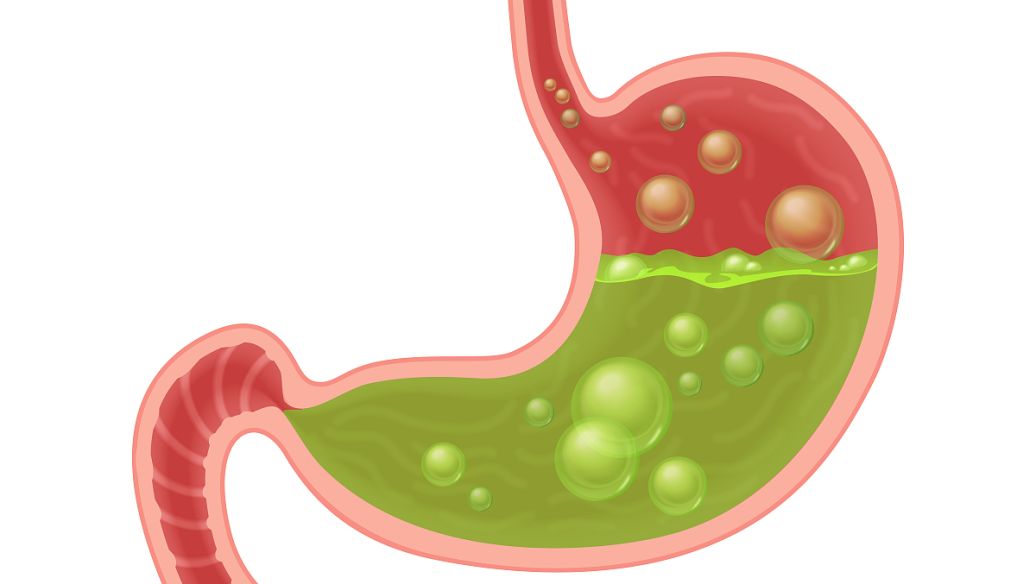
Gastrointetinal tract
Inhibit gastric emptying (delayed by 2-3 hours) and gut peristalsis, prolonging food passage time. This effect is particularly important in the treatment of dumping syndrome, as it can significantly reduce postprandial hypoglycemia and diarrhea episodes.
Gallbladder
Stimulate the release of cholecystokinin (CCK), promote gallbladder emptying, and reduce the risk of bile stasis. However, long-term use may increase the formation rate of gallstones (about 10% -15%), and regular ultrasound monitoring is necessary.

Verification of the correlation between clinical application and mechanism of action
The multi-target effect of oxtreotide gives it unique advantages in the treatment of the following diseases:

Acromegaly
Mechanism verification: By continuously inhibiting GH exudation, we block IGF-1 mediated bone overgrowth and soft tissue proliferation. Long acting oxtreotide microspheres (LAR) injected once a month can reduce GH levels to<2.5 μ g/L and restore IGF-1 to normal range in 80% of patients.
Gastrointetinal pancreati neuroendocrine tumors
Mechanism verification: Double inhibition of hormon exudation (such as 5-HT, gastrin) and neoplasm proliferation, alleviating symptoms of carcinoid syndrome. Prior to PRRT (peptide receptor radionuclide therapy), the use of oxtreotide can upregulate neoplasm SSTR expression and enhance radiotherapy sensitivity.

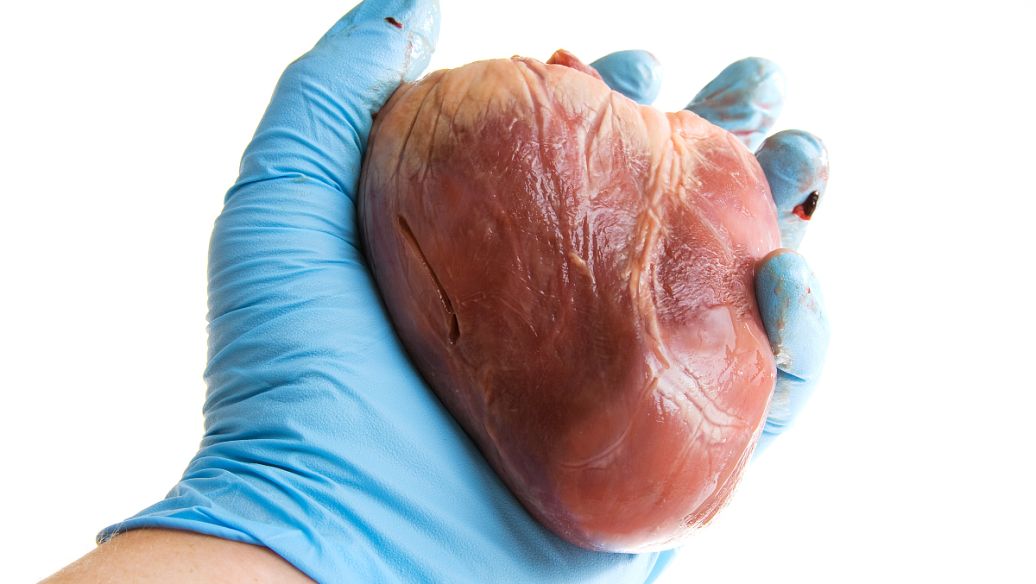
Acute esophageal and gastric variceal bleeding
Mechanism validation: Quickly reduce portal vein pressure (effective within 15 minutes) to buy time for endoscopic treatment. When combined with vasoactive medicines such as terlipressin, the success rate of hemostasis is increased to over 90%.
Prevention of postoperative complications in pancreati surgery
Mechanism verification: Inhibit pancreati enzyme exudation and reduce the incidence of pancreati fistula (from 15% to below 5%); Simultaneously reducing pancreati parenchymal inflammation and shortening hospitalization time.


1. Appearance, Hygroscopicity and Thermal Properties
Octreotide acetate solution appears as white to off-white crystalline powder with strong hygroscopicity. It readily absorbs moisture from air at ambient temperature and must be stored in tightly sealed containers under controlled humidity conditions. Its melting point exceeds 140 °C accompanied by decomposition; high temperatures break disulfide bonds, oxidize tryptophan residues and disrupt the cyclic spatial conformation.
2. Density and Optical Stereochemical Properties
The measured density is 1.39 g/cm³. It contains multiple chiral carbons and exhibits prominent optical activity. Its specific rotation [α]ᴰ²⁰ is −42° in 95% acetic acid solution. The molecule has 10 fixed chiral centers with highly stable stereoconfiguration.
3. Solubility Characteristics and Formulation Adaptability
It demonstrates polar solubility characteristics, and its acetate salt exhibits improved water solubility with an aqueous solubility of approximately 1.2 mg/mL. It dissolves completely in water for injection, normal saline and weak acid buffers; it is freely soluble in dimethyl sulfoxide and glacial acetic acid, sparingly soluble in methanol and ethanol, and practically insoluble in non-polar organic solvents such as petroleum ether and ethyl acetate, making it suitable for the development of dosage forms including injections and lyophilized preparations.
4. Isoelectric Point, Charge Characteristics and Solution pH Stability
Its theoretical isoelectric point is 9.93, classifying it as an alkaline polypeptide. At physiological pH 7.4, the net molecular charge is close to +3, enabling formation of stable ionic salts with acetic acid. The buffer system of injections is typically maintained at approximately pH 4.2 to preserve molecular stability.
5. Molecular Conformation and Enzymatic Hydrolysis Resistance
A disulfide bond ring is formed by cysteine residues at positions 2 and 7 within the molecule, constructing a rigid cyclic backbone. Meanwhile, the peptide chain incorporates two D-amino acids, D-phenylalanine and D-tryptophan, which confer resistance to peptidase hydrolysis in vivo, delivering far superior chemical degradation resistance compared with native somatostatin.
6. UV Spectral Characteristics and Quantitative Detection Basis
The characteristic UV absorption maximum at 280 nm originates from tryptophan residues and can be applied for quantitative content assay.


Absorption Characteristics
Oxtreotide is a synthetic somatostatin analogue, clinically administered via subcutaneous injection, intravenous infusion and long-acting intramuscular injection. Subcutaneous injection enables rapid and complete absorption with a bioavailability close to 100%, and the peak plasma concentration is reached approximately 30 minutes after administration. Intravenous dosing achieves therapeutic plasma concentrations instantly, and plasma medicine levels show a good linear correlation with administered dosage. Compared with native somatostatin, this product delivers more stable absorption with negligible first-pass metabolism, allowing rapid onset of action to meet the demands of emergency and routine treatment.
Distribution Profiles
The plasma protein binding rate of the medicine is approximately 65%, primarily binding to serum albumin with virtually no binding to red blood cells. The high proportion of unbound free medicine facilitates full expression of pharmacological activity. It distributes extensively in vivo and accumulates efficiently in target effector tissues including the pancreas, gastrointestinal tract and pituitary gland, acting precisely on hormone secretion targets. Meanwhile, the medicine exhibits weak tissue penetration: only trace amounts cross the placental barrier, and permeation into cerebrospinal fluid is minimal.


It features favorable systemic distribution safety with low risks of central nervous system or fetal adverse reactions.
Metabolism and Excretion
Oxtreotide is mainly metabolized via peptidase hydrolysis in the liver, degraded into inactive short peptide fragments without cumulative pharmacological toxicity. Only 2% of the intact parent medicine is excreted via the kidneys, and less than 5% is eliminated in feces, resulting in low metabolic burden on the liver and kidneys.
The elimination half-life in healthy adults is about 1.7 hours with a steady metabolic rate. Medicine clearance is slowed and the half-life is markedly prolonged in patients with liver cirrhosis or severe renal insufficiency, requiring dose adjustment as appropriate. Dialysis cannot effectively remove the medicine from the body, so dosage modification based on dialysis is unnecessary for patients with renal failure.

FAQ
What is the difference between immediate-release and long-acting oxtreotide?
Immediate-release injection: Fast onset of action, short half-life, requires multiple daily subcutaneous injections, suitable for initial treatment, dose titration, and acute symptom control.
Long-acting depot suspension: Sustained drug release, stable blood drug concentration, administered once every 4 weeks via intramuscular injection, suitable for long-term maintenance treatment in patients with stable disease control after initial short-term therapy.
Hot Tags: octreotide acetate solution, suppliers, manufacturers, factory, wholesale, buy, price, bulk, for sale