




Shaanxi BLOOM Tech Co., Ltd. is one of the most experienced manufacturers and suppliers of loratadine tablets 5mg in China. Welcome to wholesale bulk high quality loratadine tablets 5mg for sale here from our factory. Good service and reasonable price are available.
Loratadine tablets 5mg is an over-the-counter antihistamine primarily used to alleviate allergy related symptoms. It is suitable for hay fever (sneezing, runny nose, itchy eyes), perennial allergies such as dust mites, allergic rhinitis caused by pet hair, chronic urticaria such as skin itching, erythema, wheals, etc., other allergic reactions such as contact dermatitis, drug allergies, etc. It lasts for 24 hours and only needs to be taken once a day. Compared to first generation antihistamines such as chlorpheniramine, loratadine is less likely to cross the blood-brain barrier and has fewer side effects such as drowsiness and fatigue.
At the same time, our company not only provides pure powders, but also tablets and injections. If needed, please feel free to contact us at any time.

Additional information of chemical compound:

|
|
|


Loratadine COA
 |
||
| Certificate of Analysis | ||
| Compound name | Loratadine | |
| Grade | Pharmaceutical grade | |
| CAS No. | 79794-75-5 | |
| Quantity | Customized | |
| Packaging standard | Customized | |
| Manufacturer | Shaanxi BLOOM TECH Co., Ltd | |
| Lot No. | 202501090065 | |
| MFG | Jan 9th 2026 | |
| EXP | Jan 8th 2029 | |
| Structure |  |
|
| Item | Enterprise standard | Analysis result |
| Appearance | White or almost white powder | Conformed |
| Water content | ≤5.0% | 0.39% |
| Loss on drying | ≤1.0% | 0.28% |
| Heavy Metals | Pb≤0.5ppm | N.D. |
| As≤0.5ppm | N.D. | |
| Hg≤0.5ppm | N.D. | |
| Cd≤0.5ppm | N.D. | |
| Purity (HPLC) | ≥99.0% | 99.80% |
| Single impurity | <0.8% | 0.42% |
| Total microbial count | ≤750cfu/g | 80 |
| E. Coli | ≤2MPN/g | N.D. |
| Salmonella | N.D. | N.D. |
| Ethanol (by GC) | ≤5000ppm | 500ppm |
| Storage | Store in a sealed, dark, and dry place below 2-8°C | |
|
|
||
|
|
||


Hidden effects of Loratadine on soil microbiome

Loratadine tablets 5mg is a commonly used second-generation antihistamine, mainly used to alleviate symptoms of allergic diseases such as allergic rhinitis and chronic urticaria. Due to its widespread use, the issue of residual Loratadine and its metabolites in the environment is becoming increasingly prominent.
Soil is one of the important destinations for drugs to enter the environment, and its microbial community is extremely sensitive to drug response. The soil microbiome is involved in numerous ecological processes such as soil organic matter decomposition. And utrient cycling, and pollutant degradation. Changes in its structure and function may have profound impacts on the stability and sustainability of soil ecosystems.
The pathway of Loratadine entering the soil
Medical wastewater discharge: Pharmaceutical companies continuously generate a large amount of complex wastewater containing Loratadine and its various metabolites during daily industrial production processes.
If these wastewater are directly discharged into the natural environment without effective treatment or substandard disposal, residual Loratadine will enter the water body along with the wastewater and then gradually accumulate in soil through agricultural irrigation and other daily ways.
In addition, routine medical wastewater discharged from general hospitals and community clinics is also a key important source of Loratadine entering the surrounding ecological environment.


After patients use Loratadine, their excrement contains drug residues, which enter the medical wastewater treatment system.
Improper treatment can also cause Loratadine to enter the soil environment.
Improper disposal of sewage irrigation and pharmaceutical waste:In some areas with water scarcity, sewage irrigation is a common agricultural irrigation method.
Untreated wastewater may contain drug pollutants such as Loratadine.
When using this sewage to irrigate farmland, Loratadine directly enters the soil and accumulates in the soil.
Long term sewage irrigation may lead to a gradual increase in the concentration of Loratadine in the soil, potentially affecting the soil microbiome.
If expired or discarded Loratadine drugs are discarded indiscriminately, the active ingredients in the drugs will enter the soil environment through channels such as rainwater erosion.
In addition, some unregulated landfills may also cause drug pollutants to seep into the soil, increasing the content of Loratadine in the soil.

Migration and transformation of Loratadine in soil

Adsorption effect
After Loratadine enters the soil, it will undergo adsorption with soil particles. The organic matter and clay minerals in the soil are the main carriers for adsorbing Loratadine. Adsorption can affect the mobility and bioavailability of Loratadine in soil. Generally speaking, the higher the organic matter content in the soil, the stronger the adsorption capacity for Loratadine, and the slower the migration rate of the drug in the soil. Loratadine adsorbed on soil particles may desorb under certain conditions, re-enter the soil solution, and continue to participate in various processes in the soil.
Degradation effect
Loratadine tablets 5mg can undergo transformation in soil through two pathways: biodegradation and non biodegradation. Biodegradation is the result of the action of soil microorganisms, and some microorganisms with specific degradation abilities can metabolize Loratadine as a carbon or energy source, gradually decomposing it into small molecule compounds. Non biological degradation mainly includes photodegradation, hydrolysis, and oxidative degradation. Photodegradation requires light conditions, which may be more important on the soil surface or in shallow soil layers; Hydrolysis is a reaction in which Loratadine undergoes chemical bond cleavage under the action of water; Oxidative degradation is the reaction between Loratadine and oxidants in the soil.


Migration effect
In addition to adsorption and degradation, Loratadine also undergoes migration in soil. Under the action of gravity, Loratadine will infiltrate downwards with soil moisture and enter deeper soil layers. In addition, surface runoff may also carry Loratadine in the soil and migrate to other areas, expanding its pollution range. The migration effect makes the distribution of Loratadine in soil more complex, and has varying degrees of impact on soil microbial communities at different depths and locations.
The effect of Loratadine on soil microbial community structure
Impact on Microbial Diversity
Research has shown that low concentrations of Loratadine may have a certain degree of stimulating effect on soil microbial diversity, promoting the growth and reproduction of certain microorganisms, leading to a temporary increase in microbial diversity. However, as the concentration of Loratadine increases, its toxic effects gradually become apparent, inhibiting the growth of some microorganisms and even causing the death of some sensitive microorganisms.


Impact on Microbial Community Composition
Loratadine can alter the composition of soil microbial communities. There are differences in the sensitivity of different microorganisms to Loratadine. Some Gram positive bacteria may be more sensitive to Loratadine, while some Gram negative bacteria and fungi have certain tolerance. In soil contaminated with Loratadine, the relative abundance of tolerant microorganisms increases while the relative abundance of sensitive microorganisms decreases, leading to changes in microbial community structure.
Impact on Microbial Biomass
Loratadine also has a significant impact on soil microbial biomass. Low concentrations of Loratadine may promote microbial growth and metabolism, increasing microbial biomass. But high concentrations of Loratadine can inhibit microbial activity and reduce microbial biomass. The changes in microbial biomass can affect the decomposition of soil organic matter and nutrient cycling processes, thereby affecting soil fertility and plant growth.

The effect of Loratadine on soil microbial function

Impact on carbon cycle related functions
Soil microorganisms play a crucial role in the carbon cycle, participating in the decomposition and transformation of organic carbon. Loratadine can affect the utilization efficiency of soil microorganisms towards organic carbon. High concentrations of Loratadine may inhibit the secretion of extracellular enzymes by microorganisms, reduce their ability to decompose complex organic matter, and lead to the accumulation of soil organic carbon. Meanwhile, Loratadine may also affect the respiration of microorganisms, alter the emission flux of carbon dioxide in soil.
Effects on nitrogen cycle related functions
The nitrogen cycle is an important process in soil ecosystems, involving multiple stages such as nitrification, denitrification, and nitrogen fixation. Loratadine can interfere with the activity of nitrogen cycling related microorganisms. For example, it can inhibit the nitrification of nitrifying bacteria and reduce the content of nitrate nitrogen in the soil; Affects the denitrification process of denitrifying bacteria and alters the emission of nitrogen in the soil.


Effects on phosphorus cycle related functions
Soil microorganisms participate in the dissolution and mineralization of phosphorus, converting insoluble phosphorus into phosphorus that can be utilized by plants. Loratadine may affect the ability of soil microorganisms to secrete organic acids, thereby affecting the dissolution and mineralization of phosphorus. In addition, Loratadine may also alter the absorption and utilization efficiency of phosphorus by soil microorganisms, affecting the availability and cycling of phosphorus in the soil.
The impact of Loratadine on soil ecological processes
Soil Fertility: The changes in soil microbiome will directly affect soil fertility. The changes in microbial community structure and dysfunction caused by loratadine tablets 5mg can affect the decomposition of soil organic matter and nutrient cycling, reducing the availability of nutrients such as nitrogen, phosphorus, and potassium in the soil, thereby affecting soil fertility. Long term exposure to Loratadine contaminated soil may inhibit plant growth and reduce crop yields.
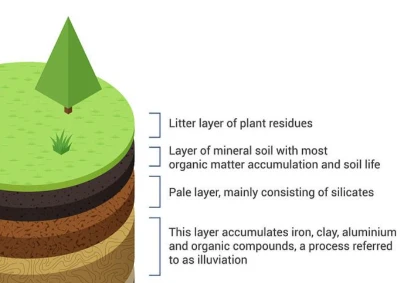

Soil Pollutant Degradation: Soil microorganisms play an important role in pollutant degradation. The impact of Loratadine on soil microbiota may interfere with the degradation process of other pollutants. For example, when certain microorganisms with degradation ability are inhibited by Loratadine, the degradation rate of pollutants such as pesticides and heavy metals in the soil may slow down, leading to the accumulation of pollutants in the soil and exacerbating the degree of soil pollution.
Soil Ecosystem Stability: The soil microbiome is an important guarantee for the stability of soil ecosystems. The changes in soil microbial community structure and function caused by Loratadine can disrupt the ecological balance of soil ecosystems, reduce their resistance and resilience. When facing external disturbances such as climate change, human activities, etc., soil ecosystems contaminated with Loratadine are more prone to functional disorders and ecological crises.

FAQ
What is loratadine good for?
Loratadine is a popular, non-drowsy, over-the-counter antihistamine (commonly known by the brand name Claritin) used for 24-hour relief of allergy symptoms, including sneezing, runny nose, itchy/watery eyes, and itching of the nose or throat. It is also effective for managing skin itching and hives (urticaria).
Is loratadine the same as Zyrtec?
Loratadine (commonly branded as Claritin) and cetirizine (Zyrtec) are not the same, though they are both popular, over-the-counter second-generation antihistamines used to treat allergy symptoms. Zyrtec (cetirizine) works faster (20–60 minutes) but may cause more drowsiness, while Claritin (loratadine) takes longer (1–3 hours) but is less likely to cause drowsiness.
Will loratadine make you sleepy?
Loratadine (commonly known as Claritin) is a second-generation, non-drowsy antihistamine that is unlikely to cause sleepiness in most people compared to older allergy medicines. While considered low-risk for drowsiness, it can still cause sleepiness or fatigue in some individuals, particularly at higher doses.
What is the difference between Claritin and loratadine?
Claritin and loratadine are essentially the same medication, with loratadine being the generic, more affordable version of the brand-name Claritin. Both are 24-hour, second-generation antihistamines used to treat allergy symptoms without causing significant drowsiness. They share the same active ingredient, effectiveness, and dosing, with the primary difference being cost.
Hot Tags: loratadine tablets 5mg, suppliers, manufacturers, factory, wholesale, buy, price, bulk, for sale