


Parasite control treatments are effective because they attack something vital for living. Fipronil spot-on preparations achieve just that by attacking the neurological system of fleas, ticks and lice. The mechanism of this topical medication is thoroughly researched and exact, and has gained the confidence of pet owners and veterinary specialists. It is not only a matter of repelling pests, the fipronil spot-on actively interrupts the communication channels that insect brains need to operate correctly. The outcome is a domino effect of physiological failures that start with one chemical interaction and culminate with the entire paralysis of the parasite. Grasping this process helps explain why the product remains a trusted option in both the veterinary and agricultural industries. This article goes through each step of that chain of neurotoxicity, from receptor binding to ultimate collapse of nervous system control. It gives the customer a thorough understanding of the science that behind the formulation.

Fipronil Spot-On
1.General Specification(in stock)
(1)API(Pure powder)
PE/Al foil bag/ paper box for Pure powder
(2)Spot-On
cat:0.5ml
dog:0.67ml:2-10kg/1.34ml:10-20kg/2.68ml:20-40kg/4.02ml:40-60kg
(3)Solution
(4)Drops
2.Customization:
We will negotiate individually, OEM/ODM, No brand, for secience researching only.
Product Code:BM-9-018
Fipronil CAS 120068-37-3
How Does Fipronil Spot-On Interact With GABA-Gated Chloride Receptors?
The spot-on action of fipronil is explained by a receptor family present throughout the insect nervous system. GABA, or gamma-aminobutyric acid, is a chemical messenger that quiets neuronal activity by opening chloride channels. When these channels open, chloride ions go into the neuron, making it less excitable. This prevents nerve signals from firing uncontrollably. Fipronil spot-on binds to this same receptor location, fitting in where GABA would typically bind and disrupting the signal that ordinarily signals the channel to open.
The Role of GABA in Insect Nervous Systems
In insects and other arthropods, GABA receptors play key roles in the control of movement and sensory input. Without adequate GABA communication, nerve cells are overstimulated and cannot reset properly between impulses. This is distinct to the way certain vertebrate neural systems work, which is part of the reason why fipronil spot-on has selective toxicity for parasites, while retaining a good safety margin for treated dogs.
Receptor Site Specificity and Binding Affinity
Fipronil spot-on has a far greater binding affinity to insect-type GABA receptors than to mammalian receptor subtypes.
The reason for this selectivity is the structural variations of the receptor proteins themselves.
Investigations published in veterinary pharmacology publications have shown that fipronil has a far stronger affinity for the insect version and this accounts for the ability of the drug to work at low topical dosages.
Why This Interaction Matters for Pest Control
Once the fipronil spot-on takes the GABA receptor site, the chloride channel will no longer be able to react properly to incoming signals. This one connection sets off a chain reaction in the parasite's nervous system and is the molecular basis for every other symptom of fipronil poisoning including tremors, uncoordinated movement and final death of the parasite.
Molecular Receptor Binding and Ion Channel Blockade by Fipronil Spot-On
It is interesting to have a deeper look at the physical mechanism of ion channel blocking beyond the first receptor connection. Fipronil spot-on does not only sit next to the receptor, it really fits into a binding pocket inside the chloride channel complex, physically blocking the channel from assuming its open conformation . This structural blockage is the mechanical heart of the product's insecticidal activity.
Structural Changes in the Chloride Channel Complex
The GABA receptor has a pentameric protein structure i.e. it is made up of five subunits clustered around a central pore. When fipronil spot-on installs itself into this pore area, it physically blocks the channel that chloride ions would typically take. Electrophysiology methods used in laboratory investigations have shown that this blocking is non-competitive, meaning that fipronil does not have to directly compete with GABA molecules for the exact same binding position, but instead locks the channel in a closed or dysfunctional state.
Binding Duration and Metabolic Stability
One reason why fipronil spot-on provides prolonged protection is the stability of the binding relationship.
It does not break down quickly within the parasite's body, therefore it remains active at the receptor site longer than certain earlier kinds of pesticide. This metabolic resistance is one of the reasons for the long residual activity which facilitates the convenience of monthly application regimens of spot-on preparations.
Comparing Fipronil to Other Ion Channel Blockers
Other types of insecticides, such pyrethroids, work on sodium channels rather than chloride channels, therefore they have a completely different mode of action. Fipronil spot-on has a unique mechanism of action (blocking chloride channels), so parasite populations previously exposed to treatments targeting sodium channels are less likely to acquire cross-resistance.
This difference is useful for rotation techniques in integrated pest control programs, especially in agricultural and veterinary contexts where resistance management is an increasing problem.
How Does Fipronil Spot-On Prevent Normal Chloride Ion Movement in Parasite Neurons?
The receptor is occupied and the channel is structurally damaged, and the following step of fipronil spot-on action is the immediate consequence on chloride ion transport. Chloride ions are negatively charged and their influx into the neuron generally stabilizes the resting electrical potential of the cell membrane. The movement ceases, and the whole internal milieu of the cell is upset.
The Electrochemical Gradient and Its Disruption
Neurons maintain an electrochemical gradient across their membranes . The concentration of chloride is often greater outside the cell than within . Whenever the channel opens , that gradient causes chloride to flow inward . It is that inward flow that provides the inhibitory , calming impact on neuronal transmission . Fipronil spot-on prevents this gradient-driven mechanism by keeping the channel closed so that chloride ions stay outside the cell regardless of how much GABA is produced nearby.
Consequences for Membrane Potential Stability
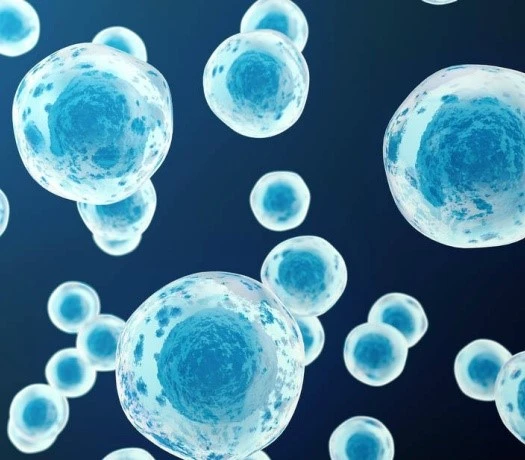
If there is no chloride input, then the neuron's membrane potential cannot repolarize back to resting potential after firing. This implies the cell is kept in a condition closer to depolarization, and far more likely to fire spontaneously again.
This is what in veterinary toxicology reports is called a loss of inhibitory tone, when the nervous system basically loses its brakes.
Cellular-Level Evidence From Laboratory Studies
In controlled laboratory investigations, isolated neuron preparations have shown detectable decreases in chloride conductance following exposure to fipronil. Often performed utilizing patch-clamp recording methods, these investigations give direct proof of the immediate and significant action of the chemical on chloride ion transport. These findings from cells back up field observations on how fast fipronil spot-on works on parasite behavior when it is first contacted, often in hours and not days.
Neuronal Hyperexcitation and Loss of Neurological Coordination Under Fipronil Spot-On Exposure
The continued blockage of chloride ion flow causes the parasite's nervous system to become hyperexcited. This phase is the behavioral change that pet owners and researchers may see after using fipronil spot-on, from typical parasite behavior to frantic, uncontrollable movement.
Symptoms of Hyperexcitation in Affected Parasites
Fleas and ticks treated with fipronil spot-on usually demonstrate fast, uncoordinated leg movements, balance difficulties, and problems attaching to the host animal. These symptoms are the direct consequence of the over-stimulation of motor neurons which are no longer receiving appropriate inhibitory input. This trajectory has been recorded repeatedly in entomological field research on many kinds of parasites, increasing the confidence we may place in the process.
The Cascade From Single Neuron to Whole-Body Response
One bad cell doesn't usually shut down everything, because fipronil spot-on attacks GABA receptors across the nervous system simultaneously.

This implies that, instead of the hyperexcitation effect being localized to a certain area,

it is diffused throughout many neuronal pathways at the same time, increasing overall effects on coordination and muscular control.
Timeframe of Observable Behavioral Changes
Field and laboratory studies indicate that obvious symptoms of hyperexcitation may occur within a few hours after exposure, with total incapacitation generally occurring within 24-48 hours depending on the parasite species and dose reaching the target location. The timing is in accordance with published effectiveness findings for topical fipronil-based therapies that show fast knockdown rates of fleas compared to slower acting alternatives .
From Disrupted Neurotransmission to Irreversible Parasite Paralysis: The Action Pathway of Fipronil Spot-On
The last link in this neurotoxic chain is to unite all the above mechanisms into one irreversible effect. It starts with receptor binding , then channel blocking , then interrupted chloride transport , and finally the full collapse of coordinated nervous system function .
Mapping the Complete Mechanistic Sequence
Knowing this route from start to finish helps to explain why fipronil spot-on is still effective even against parasites that may have evolved some degree of tolerance to other chemical classes. The sequence depends on a particular molecular target. Resistance usually occurs via mutations at that binding site. Therefore, cross-resistance to other chemical families is rather rare. This specificity is one reason fipronil spot-on remains dependably effective in field situations years after it first came to the veterinary market.
Why Paralysis Becomes Permanent for the Parasite

In the absence of any way for the chloride to help the nervous system recover, the nervous system goes into a state of persistent hyperexcitation.

This uses up energy reserves inside the neurons. This metabolic fatigue mixed with the ongoing unregulated firing results in a collapse of cellular function, which the parasite cannot repair. The result is paralysis-not a spectacular effect that wears off but a fatal collapse of the neurological system.
Practical Implications for Product Formulation
Understanding this whole action route will guide the formulation of fipronil spot-on medicines for actual world application. Formulators must consider how fast the active substance gets to nerve tissue, how long it stays attached to receptors, and how reliably it distributes throughout the skin of the treated animal.
These formulation decisions directly influence the reliability of the neurotoxic route with each application, which is why consistent manufacturing quality is so important for reliable field performance.
Conclusion
The neurotoxic cascade responsible for fipronil spot-on is a well-orchestrated process from receptor binding to permanent parasite immobilization. Each step logically follows on from the previous one, from contact with the GABA receptor to blocking of chloride channels and then hyperexcitation, giving a reliable and scientifically based approach of parasite management. This process explains the reason why the formulation on the basis of fipronil has been a trusted choice in the veterinary and agricultural field for years. As we go into future pest control techniques, knowledge of this route will provide confidence in product performance and formulation dependability for corporations and researchers looking for consistent, well-documented active ingredients supported by verifiable science.
FAQ
1. Does fipronil spot-on affect mammalian nervous systems the same way it affects parasites?
+
-
No, fipronil spot-on has a far higher binding affinity for insect-type GABA receptors than for mammalian receptor subtypes, which explains the good safety profile when used as indicated on treated animals.
2. How quickly does fipronil spot-on begin affecting parasite behavior?
+
-
Behavioral abnormalities, including uncoordinated movement, frequently occur within hours of exposure, and total paralysis usually follows within one to two days, depending on the kind of parasite implicated.
3. Can parasites develop resistance to fipronil spot-on?
+
-
Specific mutations at the receptor binding site may lead to resistance. Resistance to other types of insecticides not linked to fipronil is rare because of its unique method of action at the chloride channel.
Contact Bloomtechz for Reliable Fipronil Spot-On Supply
At Bloomtechz we use over a decade of expertise in organic compounding to each and every batch of active ingredient we make. With GMP-certified production accepted across the United States, European Union, Japan and China. We triple-layer quality verification, including factory testing, internal QA/QC review, and authoritative third-party analysis, to guarantee every shipment satisfies stringent purity and safety criteria. As a trusted supplier of Fipronil Spot-On, we provide upfront pricing, precise lead times, and comprehensive paperwork for seamless customs clearance. Whether you want bulk active ingredient or final formulation assistance, our R&D team is here to help with HPLC, LC-MS and HNMR analysis. Reach out to us immediately at Sales@bloomtechz.com to discuss your sourcing requirements and find out why pharmaceutical and specialty chemical customers throughout the globe chose Bloomtechz as their long-term production partner.
References
1. Tingle, C.C.D., Rother, J.A., Dewhurst, C.F., Lauer, S., and King, W.J. "Fipronil: Environmental Fate, Ecotoxicology, and Human Health Concerns." Reviews of Environmental Contamination and Toxicology.
2. Zhao, X., Yeh, J.Z., Salgado, V.L., and Narahashi, T. "Fipronil Is a Potent Open Channel Blocker of Glutamate-Activated Chloride Channels in Cockroach Neurons." Journal of Pharmacology and Experimental Therapeutics.
3. Narahashi, T., Zhao, X., Ikeda, T., Nagata, K., and Yeh, J.Z. "Differential Actions of Insecticides on Target Sites: Basis for Selective Toxicity." Human and Experimental Toxicology.
4. Cole, L.M., Nicholson, R.A., and Casida, J.E. "Action of Phenylpyrazole Insecticides at the GABA-Gated Chloride Channel." Pesticide Biochemistry and Physiology.
5. Gant, D.B., Chalmers, A.E., Wolff, M.A., Hoffman, H.B., and Bushey, D.F. "Fipronil: Action at the GABA Receptor." Reviews in Toxicology.
6. Hainzl, D., Cole, L.M., and Casida, J.E. "Mechanisms for Selective Toxicity of Fipronil Insecticide and Its Sulfone Metabolite and Desulfinyl Photoproduct." Chemical Research in Toxicology.