


Cushing's syndrome in dogs - formally known as hyperadrenocorticism - is one of the most commonly diagnosed endocrine disorders in middle-aged and older canines. The condition develops when the adrenal glands produce excess cortisol over a prolonged period, disrupting nearly every major body system. Dogs may present with increased thirst, frequent urination, a pendulous abdomen, thinning coat, and persistent fatigue. Managing this condition effectively requires a reliable pharmacological approach, and trilostane capsule has emerged as a cornerstone therapy in veterinary endocrinology. This article explores how this treatment works, what veterinarians monitor during therapy, and how to build a consistent care routine for affected dogs.
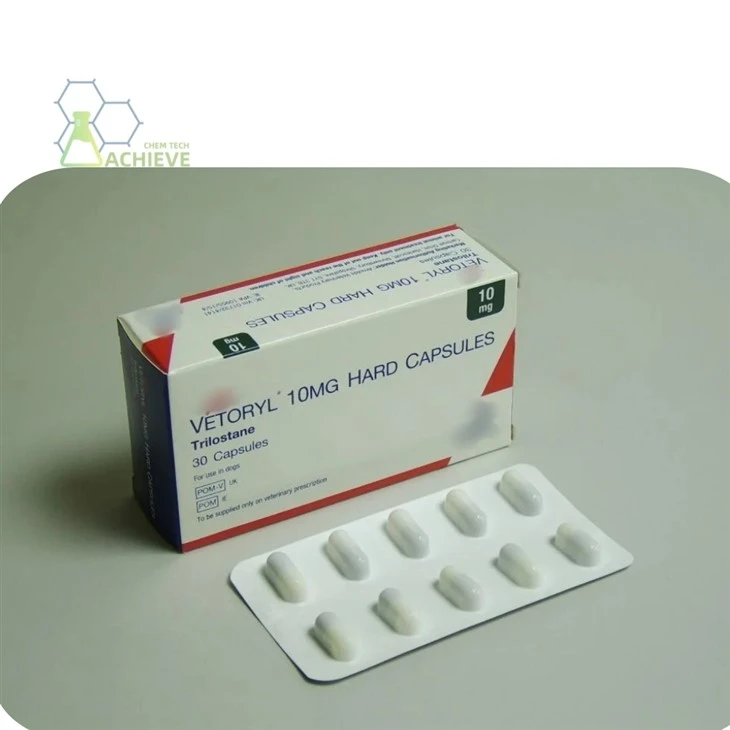
Trilostane Capsule
1.General Specification(in stock)
(1)Injection
Customizable
(2)Tablet
Customizable
(3)API(Pure powder)
PE/Al foil bag/ paper box for Pure powder
HPLC≥99.0%
(4)Pill press machine
https://www.achievechem.com/pill-press
2.Customization:
We will negotiate individually, OEM/ODM, No brand, for secience researching only.
Internal Code: BM-6-010
Trilostane CAS 13647-35-3
Analysis: HPLC, LC-MS, HNMR
Technology support: R&D Dept.-4
How Can Trilostane Capsule Help Regulate Cortisol in Dogs With Hyperadrenocorticism?
The Mechanism Behind Cortisol Reduction
Trilostane capsules work by stopping 3β-hydroxysteroid dehydrogenase (3β-HSD), an enzyme that is needed for the production of steroids in the adrenal glands. By blocking this enzyme, trilostane stops the biochemical process that changes cholesterol into cortisol and other hormones. This cuts down on cortisol in the blood in a way that can be tracked and managed. This is better than surgery or ablative methods because it doesn't damage the adrenal tissue permanently.
This pick is significant. Trilostane is different from other drugs that greatly lower adrenal output because it lets doctors exactly change the treatment. Dogs' adrenal glands still work at some level when the right dose is given, which lowers the risk of iatrogenic hypoadrenocorticism.
Why Oral Dosing Makes a Difference
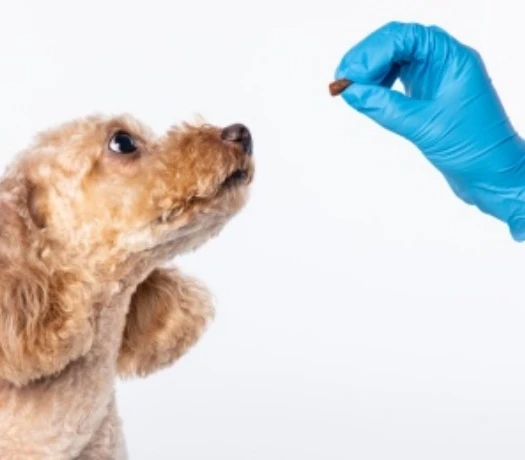
Trilostane comes in capsule form, which is helpful for taking care of animals every day. Giving medicine with food helps it get into the bloodstream better and keeps the same amount in the bloodstream all day. It has been shown in journals for veterinary internal medicine that giving a trilostane capsule with food makes it more bioavailable and helps keep cortisol levels normal. This simple habit makes things more regular and helps pet owners who are taking care of a long-term disease at home stick with it over time.
Trilostane Capsule and the Adrenal Response to Excess ACTH
Understanding the ACTH-Driven Pathway
Pituitary-dependent hyperadrenocorticism is the most common type. It affects about 80% to 85% of all dogs. It is caused by a microadenoma on the pituitary gland that produces too much adrenocorticotropic hormone (ACTH). This chemical message tells the adrenal cortex over and over to make more cortisol than the body needs. Long-term overstimulation of the adrenal glands can cause them to grow in size on both sides, which makes the hormonal imbalance worse.
These events are stopped by the trilostane capsule at the level of the adrenal glands. It stops ACTH from getting to the pituitary gland and instead makes it harder for the adrenal glands to react.
When you use this method, the amount of cortisol you make goes down, no matter how much ACTH your pituitary gland makes. In this safe way, doctors can fix a feedback process that would be out of whack otherwise.
Adrenocortical Hyperplasia and Therapeutic Implications
The pituitary gland keeps making too much ACTH while trilostane is being used, which keeps the adrenal glands under stimulating pressure. As the adrenal cortex gets used to the drug, the amount may need to be changed over time. Usually, vets check on their patients again 10–14 days after the first treatment, then again after 4 weeks, and then regularly after that. By keeping an eye on the adrenocortical reaction, the trilostane capsule can be sure to do its job, which is to weaken the adrenal glands without making them less effective.

How Do Veterinarians Assess Cortisol Control With Trilostane Capsule?
The ACTH Stimulation Test as a Monitoring Standard
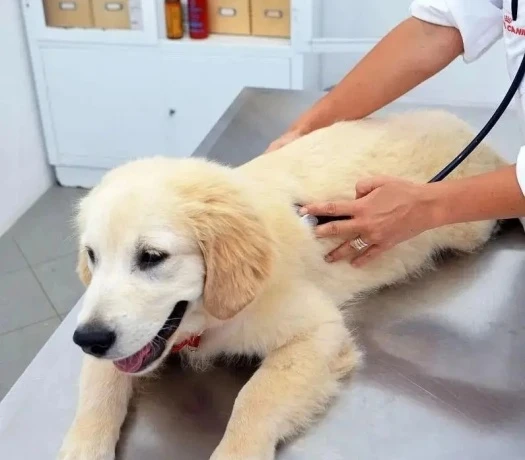
If you are taking trilostane, the ACTH stimulation test is still the best way to find out if your cortisol levels are under control. Four to six hours after giving trilostane, this test is done to find out when it works best. For the most part, a cortisol level between 1.45 and 5.4 µg/dL (40 and 150 nmol/L) after stimulation means that the drop is good enough without being too strong. To keep from having an adrenal crisis, the amount must be dropped or the treatment must be put on hold for a while if the number is below this range.
Clinicians should test their patients often, like every three to six months after the first 10 days, 4 weeks, and 12 weeks.
They can keep an eye on trends, see if resistance grows, and make sure each patient gets the right amount of medicine. Because it is used under close watch, the trilostane capsule is a safe and simple long-term choice for dogs with hyperadrenocorticism.
Clinical Signs as Secondary Indicators
It's not just lab data that are helpful; clinical tracking is also important. The treatment is working because the animal is drinking more water, going to the bathroom more often, its fur is getting better, and it has more energy. Being able to keep track of changes in their pet's health and behavior between trips to the vet is very helpful in this case.
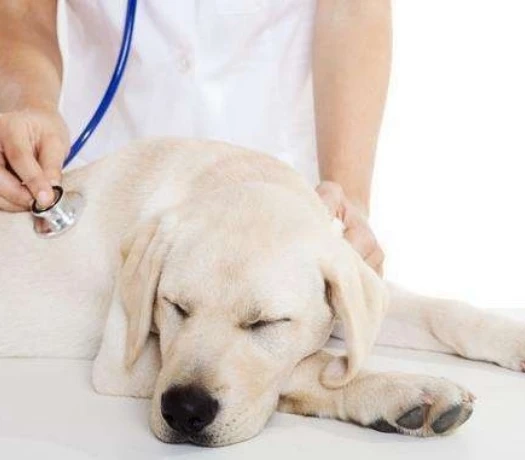
When the clinical signs get better and the ACTH induction results are good, vets know that cortisol management is going well.
Trilostane Capsule for Managing the Clinical Signs of Canine Hyperadrenocorticism
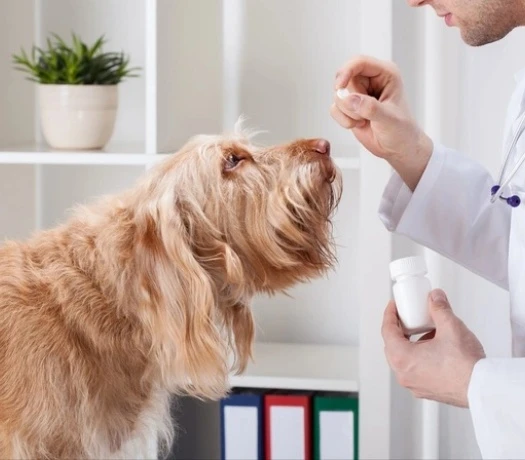
Addressing the Visible Manifestations
People who have hyperadrenocorticism have more than just chemical problems. Polyuria, polydipsia, polyphagia, muscle loss, skin shrinkage, and comedones (blackheads on the belly skin) are all common signs. Many dogs also get a unique pot-bellied look because of hepatomegaly and weak stomach muscles. Several studies on animals have shown that trilostane capsule therapy regularly lowers these symptoms. Within 4–8 weeks of starting treatment, people can see a difference.
Ruckstuhl et al. published a study in the Journal of Veterinary Internal Medicine in 2003 that said dogs that were given trilostane had much lower scores on tests for many urinations, many dips, and swollen abdomens than dogs that had not been given the drug.
Dermatological and Behavioral Recovery
Skin and hair changes are often very clear signs that someone is getting better. When cortisol levels go back to normal, sebaceous glands stop acting wrong, hair grows back, and skin gets stronger. Dogs often become more energetic, sleep better, and eat properly again after surgery. The changes in these people support the numbers from the lab. This is real proof that the therapy is helping vets and pet owners.
Building a Consistent Treatment Routine With Trilostane Capsule for Dogs
Dosing Frequency and Timing Considerations
Trilostane capsules should be taken with food once a day. The recommended amount is 1-2 mg/kg of body weight. Giving the drug twice a day might help control cortisol levels when giving it once a day isn't enough. This is especially true for dogs whose levels change a lot during the course of a day. Veterinary endocrinologists say that drugs should only be given at set times so that there aren't big changes in how much the animal is exposed to them. Making sure you stick to the same schedule helps keep plasma levels steady and supports steady adrenal repression.
Owner Education and Long-Term Adherence
How well trilostane therapy works in the long run rests on how dedicated the owner is to it.
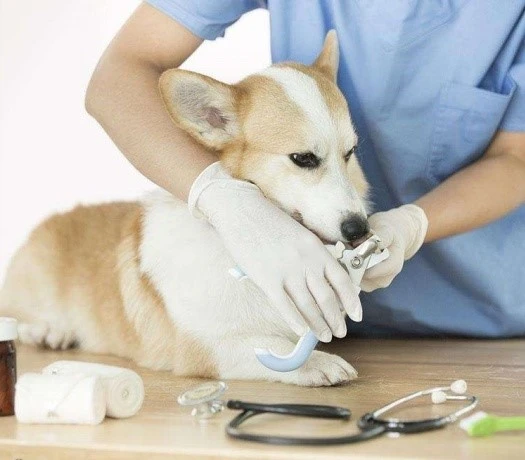
Pet owners should know how important it is to give the capsule with a meal and never miss a dose. They should also know how to spot the early signs of adrenal insufficiency in their dogs, like if they are tired, upset, or lose their appetite. A vet team is very useful because they tell you what to watch out for and when to get quick care. Let the clinic and family talk to each other openly. This will help the therapy last longer and lower the risk of problems that could have been avoided.
Conclusion
If hyperadrenocorticism is treated carefully and closely watched, it is possible to take care of it in dogs. The trilostane capsule works to lower cortisol in a specific way that can be undone. This fits with how complicated the disorder is physiologically. Most of the time, the quality of life for these dogs gets better in a meaningful way with consistent dosing, regular tests of ACTH activation, and close clinical observation. Veterinarian teams and pet owners who know a lot about dogs get the best results for dogs with this endocrine condition.
Frequently Asked Questions
1. What is the standard starting dose of trilostane capsule for dogs with hyperadrenocorticism?
+
-
In most cases, the first dose should be taken once a day with food and should be 1–2 mg/kg of body weight. After 10–14 days of ACTH stimulation tests, the dose is changed so that the cortisol levels after stimulation are in the right range.
2. Can trilostane capsule be used for adrenal-dependent hyperadrenocorticism as well as the pituitary-dependent form?
+
-
Trilostane capsule is used to treat both types of hyperadrenocorticism in dogs. It helps keep a broken adrenal gland from making cortisol when someone is adrenal-dependent. On the other hand, people who are pituitary-dependent may need a different kind of care, and it is generally best to keep a closer eye on them.
3. How long does a dog typically need to remain on trilostane capsule therapy?
+
-
Trilostane capsules are something that most dogs have to take for the rest of their lives. Since the condition lasts a long time and the root cause rarely goes away on its own, therapy that is done over and over again keeps cortisol under control and maintains the clinical gains that were made during the first treatment.
Source Your Trilostane Capsule Supply Through Bloomtechz - A Trusted Pharmaceutical Ingredient Partner
When it's important to have a steady supply and known quality, Bloomtechz can help. There are 24 well-known pharmaceutical and research companies around the world that trust Bloomtechz as a source. A strict triple-link quality analysis system is used by the company to make sure that every batch meets the standards. This system includes an inspection of the factory, an in-house QA/QC review, and verification by a third party. Our GMP-certified manufacturing center is 100,000 square meters and has approvals from the US FDA, the EU GMP, Japan, and the CFDA. This makes the supply line for pharmaceutical partners around the world safe. OEM and ODM customers can trust our R&D team to meet their needs, whether they need API-grade trilostane powder or custom capsule recipes. Use this time to get in touch with a reputable trilostane capsule supplier. Get in touch with us at Sales@bloomtechz.com to talk about what you need.
References
1. Ruckstuhl NS, Nett CS, Reusch CE. Results of clinical examinations, laboratory tests, and ultrasonography in dogs with pituitary-dependent hyperadrenocorticism treated with trilostane. American Journal of Veterinary Research. 2002;63(4):506–512.
2. Neiger R, Ramsey I, O'Connor J, Hurley KJ, Mooney CT. Trilostane treatment of 78 dogs with pituitary-dependent hyperadrenocorticism. Veterinary Record. 2002;150(26):799–804.
3. Fracassi F, Corradini S, Floriano D, et al. Prognostic factors for survival in dogs with pituitary-dependent hyperadrenocorticism treated with trilostane. Veterinary Record. 2015;176(2):49.
4. Helm JR, McKnight C, King MJ, et al. Changes in insulin resistance and measures of adrenal gland function in dogs with naturally occurring hyperadrenocorticism treated with trilostane. Journal of Veterinary Internal Medicine. 2019;33(2):640–650.
5. Alenza DP, Arenas C, Lopez ML, Melian C. Long-term efficacy of trilostane administered twice daily in dogs with pituitary-dependent hyperadrenocorticism. Journal of the American Animal Hospital Association. 2006;42(4):269–276.
6. Feldman EC, Nelson RW, Reusch CE, Scott-Moncrieff JCR. Canine and Feline Endocrinology. 4th ed. Elsevier Saunders; 2015.