


Fleas are remarkably resilient creatures. They move fast, reproduce quickly, and hide deep in animal fur. Yet compound fipronil drops have proven to be one of the most effective tools for eliminating flea infestations at the source. But what actually happens at the biological level when these drops make contact with a flea? Understanding the science behind this process helps both pet care professionals and chemical industry buyers appreciate why fipronil-based formulations remain a gold standard in veterinary pest control.
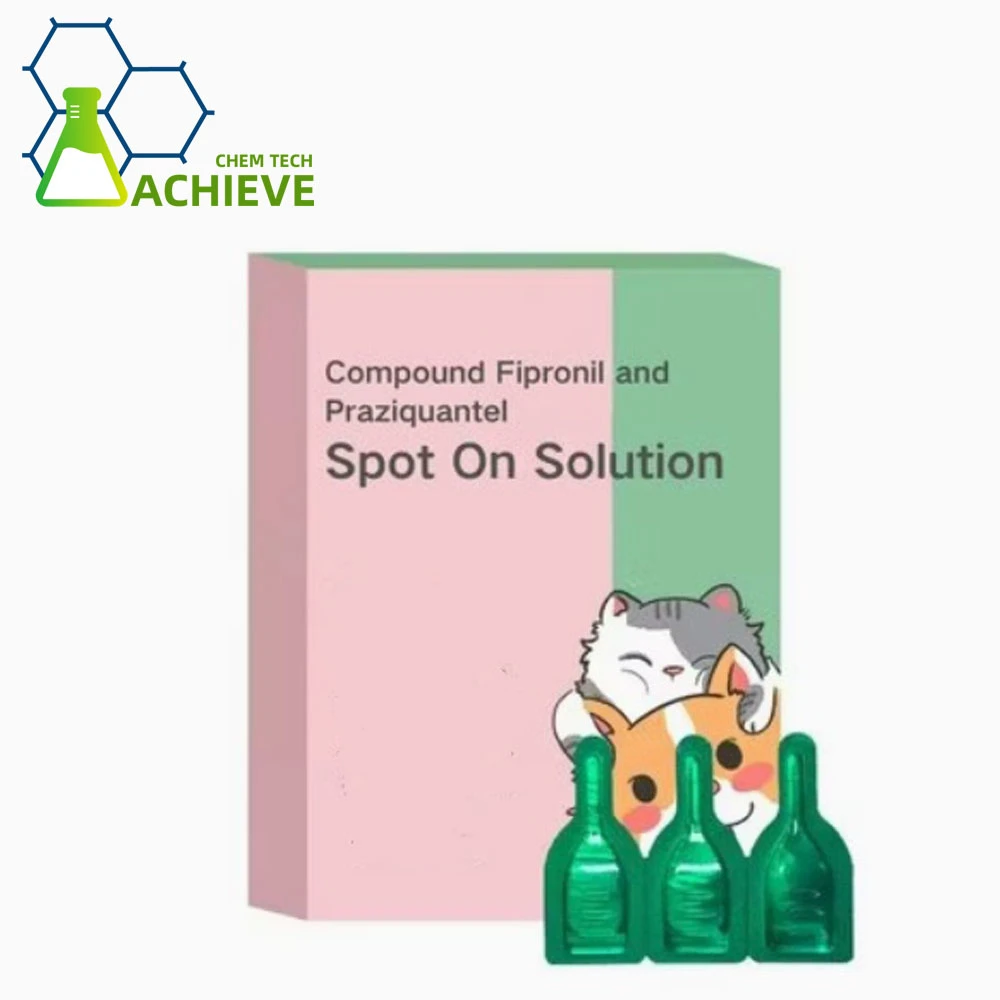
Compound Fipronil And Praziquantel Spot On Solution
1.General Specification(in stock)
(1)Solution
2.Customization:
We will negotiate individually, OEM/ODM, No brand, for secience researching only.
Internal Code: BM-9-022
Compound Fipronil and Praziquantel Spot On Solution
Main market: USA, Australia, Brazil, Japan, Germany, Indonesia, UK, New Zealand , Canada etc.
Manufacturer: BLOOM TECH Xi'an Factory
Analysis: HPLC, LC-MS, HNMR
Technology support: R&D Dept.-4
Absorption Through the Flea's External Surface
When compound fipronil drops are put on an animal's skin, fipronil, the active compound, moves across the skin's surface and builds up in the oil glands. Fleas don't have to directly eat the chemical. Absorption can start as soon as the treated skin or fur comes into contact with something else.
Fipronil is an insecticide in the phenylpyrazole group. Its molecular structure makes it pretty easy for it to get through the flea's cuticle, which is the waxy top layer of the insect's skin. This cuticular penetration is the way in, and it starts the whole process. Researchers have confirmed that skin absorption is the main way that fipronil's ectoparasitic activity works. This makes it different from chemicals that work mostly by being eaten.

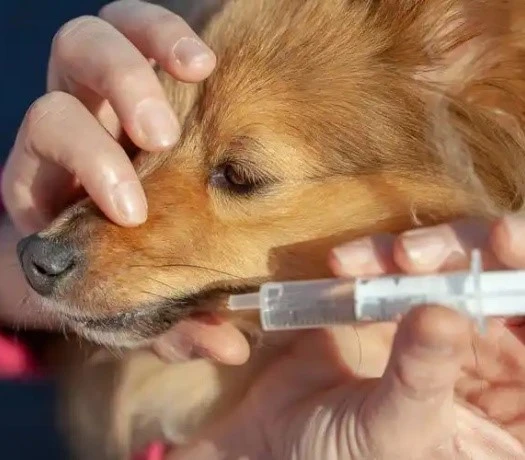
Distribution Across the Animal's Coat
Once fipronil gets into the host animal's sebum glands, it moves around the body through the animal's own oil glands. This process makes compound fipronil drops offer long-lasting protection, not just safety at the site of application. Fleas can get to the compound on any part of an animal's body just by walking through treated fur. Studies have shown that fipronil stays active on animal fur for up to 30 days after a single treatment, though this can change based on the surroundings and how often the animals are bathed.
How Does Fipronil From Compound Fipronil Drops Reach Flea Neural Targets?
Traveling Through Flea Hemolymph
After being taken in through the cuticle, fipronil goes into the flea's hemolymph, which is like blood for insects. Hemolymph bathes tissues directly, unlike the circulatory systems of vertebrates. This lets lipophilic compounds like fipronil get to neural tissue more quickly. One of fipronil's main pharmacokinetic benefits is that it breaks down easily in lipid-rich surroundings and builds up close to nerve cell membranes.
Binding Affinity for Insect Neuroreceptors
Because of this transport process, once fipronil drops are taken, they work all over the flea and don't stay on the surface.This substance goes deep inside, focusing on the central nervous system in a way that makes it more effective against insects than animals.
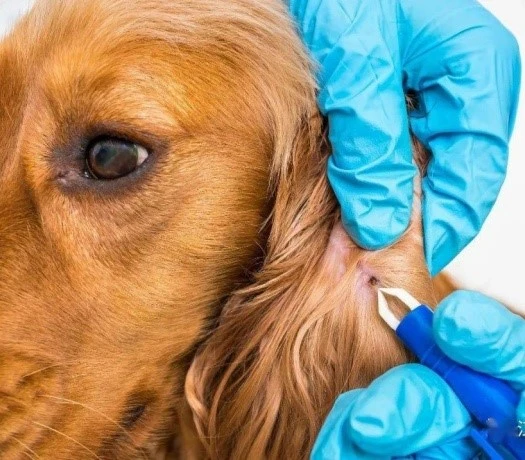
Fipronil binds very strongly to GABA-gated chloride channels in insects. Vertebrate GABA receptors are structurally different from their insect counterparts. This is why fipronil only affects flea neurology and not mammals at veterinary doses, where it would have terrible effects. This compound is widely used in controlled animal formulations because it is selective. This is well-documented in peer-reviewed entomological literature.
Compound Fipronil Drops and the Blocking of GABA-Gated Chloride Channels
What GABA Channels Do in the Flea Nervous System
Gamma-aminobutyric acid (GABA) is the main neurotransmitter that slows down nerve signals in a healthy flea nervous system. GABA links to chloride ion channels on postsynaptic neurons when it is released at synaptic junctions. This lets chloride ions flow into the cell. This extra negative charge makes the cell more hyperpolarized, which makes it less likely to fire. The overall result is neural inhibition, which is like a biological "off switch" that keeps brain activity in check and balanced.
How Fipronil Occupies the Chloride Channel
If this method for stopping neurons from firing doesn't work right, neurons fire without being controlled properly.
Compound fipronil drops bring fipronil right to this control point, and as soon as binding happens, the effects happen quickly.
Fipronil connects to the picrotoxin binding site in the chloride channel that is controlled by GABA. Fipronil physically stops chloride ions from moving through the channel by occupying this spot. No matter what GABA signals do, the channel stays locked in a non-conductive state. The chemical that stops the flea from moving can't do its job. The result is a complete loss of the control that normally keeps neural activity in check.
How Do Compound Fipronil Drops Cause Abnormal Excitation in Flea Neurons?
Loss of Neural Inhibition Triggers Hyperexcitability
Fipronil blocks chloride channels, which means that the flea's neurons can't control other neurons. Unchecked, excitatory signals build up. Brain cells fire over and over again, and GABA isn't able to control them like it usually does. This uncontrollable activity of neurons is called hyperexcitability, and it makes the flea's nervous system malfunction in a chain reaction.
Disruption of Motor and Sensory Pathways
This hyperexcitability doesn't happen slowly. Researchers who used electrophysiological recording on bug preparations have shown that fipronil causes neural firing to start within minutes of contact.
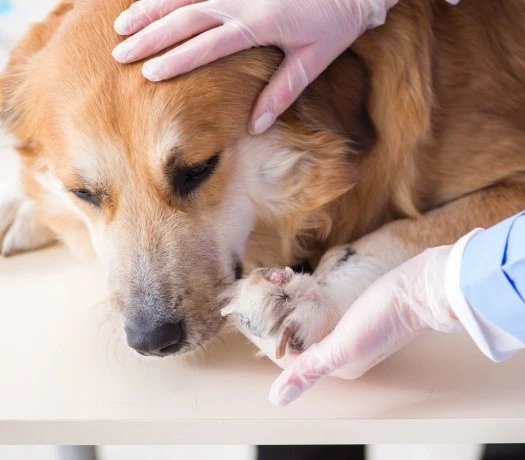
Some people like compound fipronil drops for fast-acting flea control in hospital and business settings because of how quickly they work.
Both motor and sensory neural paths become damaged as hyperexcitability spreads through the nervous system. The flea's muscles stop working together. Processing of senses gets worse. Normal activities like eating, moving around, and reproducing become hard to do. The insect goes into a state of total neural breakdown because fipronil has let out too much excitatory activity.
From Compound Fipronil Drops Exposure to Flea Paralysis: What Happens Next?
Muscular Dysfunction and Loss of Coordination
Neuronal hyperexcitability leads directly to muscle failure. Flea muscles are constantly hit with nerve signals that aren't working right, which causes them to spasm and lose their ability to move together. This damage to the flea's muscles makes it unable to hold on to the host animal, feed properly, or avoid danger. When fleas are exposed to fipronil, they quickly lose their ability to straighten up and coordinate their movements before they die.
Progression to Paralysis and Mortality
When nerve and muscle problems get bad enough, the flea stops moving and can't move at all. Important bodily processes that depend on neural control stop working properly.
These include breathing and blood flow control. As cellular energy stores run out and systemic failure becomes permanent, death happens.
Studies in the lab have shown that fleas that are exposed to fipronil die at rates of over 95% within 24 to 48 hours at effective doses. Because of this and the fact that fipronil drops continue to work on host animals, fipronil is one of the most effective active ingredients used in veterinary parasiticides around the world.
Conclusion
Using compound fipronil drops just once is not enough to get rid of fleas completely. There are many steps involved in this process. Fipronil gets through the flea's skin and into its neural tissue through the hemolymph. It then blocks GABA-gated chloride channels, which causes hyperexcitability, interferes with motor function, and eventually kills the flea by paralyzing it. Each step is based on well-known information about insects, which is why fipronil has been the best active chemical for controlling ectoparasites for so long.
Frequently Asked Questions
1. What makes compound fipronil drops effective against fleas specifically?
+
-
Compound fipronil drops work against fleas in particular because fipronil binds very strongly to GABA-gated chloride channels in insects. Fipronil specifically affects flea neurology because bug GABA receptors are structurally different from those in mammals. This makes it a powerful and focused active ingredient in veterinary parasiticides.
2. How quickly do compound fipronil drops begin working on fleas?
+
-
Electrophysiological data show that fipronil starts to cause nerve discharge in fleas within minutes of contact. In the lab, fleas always die within 24 to 48 hours at standard effective concentrations, with a death rate of over 95%.
3. How long does the residual effect of compound fipronil drops last?
+
-
Under normal circumstances, fipronil moves around through an animal's sebaceous glands and keeps killing insects on the coat for up to 30 days after a single application. However, the length of time can be affected by how often the animal bathes and its surroundings.
Partner With Bloomtechz for Premium Compound Fipronil Drops Supplier Solutions
If you're looking for a reliable supplier of compound fipronil drops, Bloomtechz has more than 16 years of experience making organic chemicals and chemicals for pharmaceutical use. Our 100,000-square-meter cooperative GMP production site is certified by the US FDA, the EU GMP, Japan, and the CFDA. This makes sure that every batch meets the strictest international standards. Our ERP platform backs up our strict triple-link quality analysis, clear pricing, and consistent wait times. Bloomtechz provides accuracy and responsibility at every step, whether you need small amounts for testing or large amounts for production.
Get in touch with our team right away to experience supply chain stability based on proven knowledge. Send your question to Sales@bloomtechz.com.
References
1. Gunning, R. V., Moores, G. D., & Devonshire, A. L. (1999). Esterases and esfenvalerate resistance in Australian Helicoverpa armigera and resistance to fipronil. Pesticide Biochemistry and Physiology, 63(1), 50–62.
2. Hainzl, D., Cole, L. M., & Casida, J. E. (1998). Mechanisms for the selective toxicity of fipronil insecticide. Chemical Research in Toxicology, 11(12), 1529–1535.
3. Bloomquist, J. R. (1996). Ion channels as targets for insecticides. Annual Review of Entomology, 41, 163–190.
4. Rust, M. K., Dryden, M. W., & Payne, P. (2003). Efficacy of fipronil-based topical formulations against Ctenocephalides felis on cats and dogs. Veterinary Parasitology, 112(3), 187–193.
5. Cole, L. M., Nicholson, R. A., & Casida, J. E. (1993). Action of phenylpyrazole insecticides at the GABA-gated chloride channel. Pesticide Biochemistry and Physiology, 46(1), 47–54.
6. Dryden, M. W., & Broce, A. B. (2002). Integrated flea control: Understanding fipronil absorption and residual activity in the sebaceous gland system of companion animals. Veterinary Therapeutics, 3(4), 397–406.