


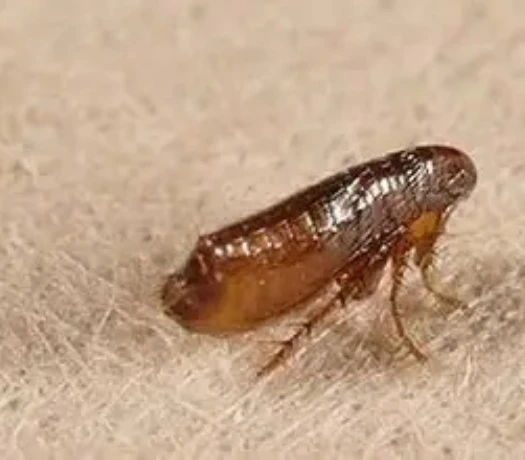
Fleas are resilient pests. They move fast, reproduce quickly, and develop resistance to many common treatments. Yet compound fipronil drops have remained one of the most dependable solutions in flea control for decades. What gives this compound its staying power? The answer lies deep inside the flea's nervous system - and understanding that mechanism reveals why fipronil-based formulations continue to outperform so many alternatives.
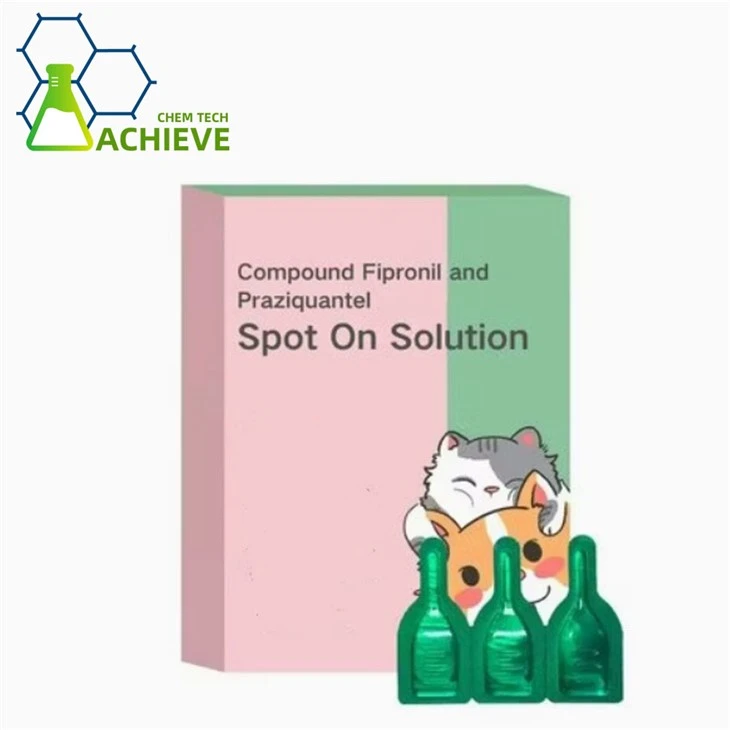
Compound Fipronil And Praziquantel Spot On Solution
1.General Specification(in stock)
(1)Solution
2.Customization:
We will negotiate individually, OEM/ODM, No brand, for secience researching only.
Internal Code: BM-9-022
Compound Fipronil and Praziquantel Spot On Solution
Main market: USA, Australia, Brazil, Japan, Germany, Indonesia, UK, New Zealand , Canada etc.
Manufacturer: BLOOM TECH Xi'an Factory
Analysis: HPLC, LC-MS, HNMR
Technology support: R&D Dept.-4
How Do Compound Fipronil Drops Disrupt Flea Nerve Signaling?
Every living thing needs a nerve system that works well to stay alive. Nerve signals tell insects like fleas how to move, eat, and do everything else they need to do. Compound fipronil drops are very good at hitting this system because they take advantage of a biological weakness that is much stronger in invertebrates than in mammals.
The Role of Neurotransmitter Inhibition in Flea Control
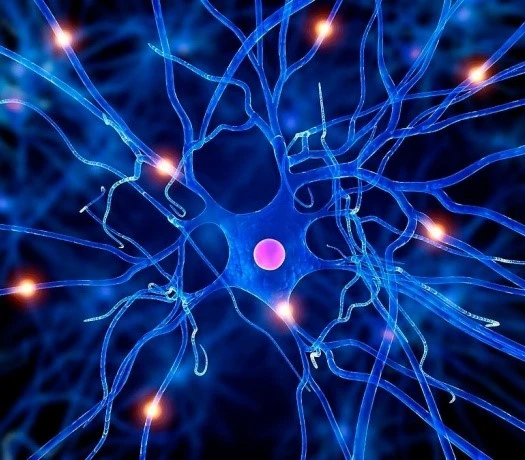
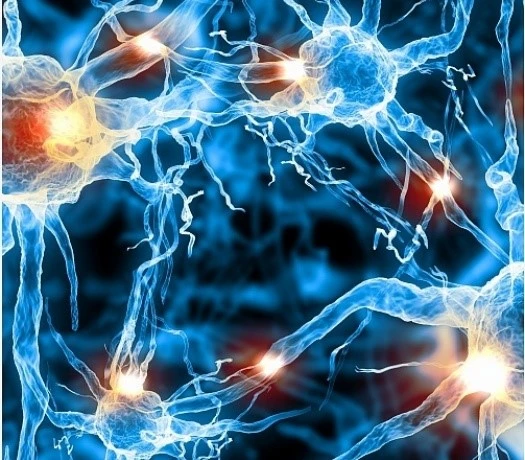
Fipronil is an insecticide in the phenylpyrazole group. If something gets into a flea's skin or is eaten while it's eating, it quickly moves through the hemolymph, which is like blood for insects, and gets to nerve tissue. At the nerve synapses, it messes up the GABA neurotransmitter, which is a calming neurotransmitter. GABA's job is to stop the nervous system from becoming too stimulated and calm it down. This relaxing signal stops working when fipronil blocks GABA receptor sites, and nerve tissue starts responding incorrectly without any limits.
Why Selectivity Matters for Efficacy
Selectivity of receptors is a big part of why the compound fipronil drops work so well against fleas while still being pretty safe for animals when used in the right amounts. Fipronil binds much more strongly to GABA-gated chloride channels in insects than to receptors in vertebrates. New research in the field of pest biology shows that the structural differences between arthropod and human GABA receptors make them better at binding fipronil in insects. This selectivity makes the product more effective against the pests it's meant to kill without needing too much of the active ingredient.
Compound Fipronil Drops and Their Action on Flea GABA Channels
There is more to the GABA receptor than just an on/off switch. It is a complicated ion channel protein complex that is found in the membranes of neurons, and fipronil interacts with it in a way that is specific and lasts for a long time.
Understanding GABA-Gated Chloride Ion Channels
It is important to note that in a healthy flea nervous system, GABA binds to its receptor and opens a channel that lets chloride ions (Cl⁻) enter the cell. The extra negatively charged ions make the cell membrane more charged, which makes it harder for the neuron to send out an action potential. This leads to inhibition, which is a "pause" signal in the brain. Compound fipronil steps in directly at this point by taking up the same binding spot that GABA would usually use. This stops chloride from entering and completely removes inhibitory control. Since the nerve no longer has a way to slow down, it starts to become overexcited.
Duration of Receptor Binding and Why It Matters
One thing that makes fipronil unique is that it stays bound to receptors for a long time. Fipronil stays connected to the GABA receptor complex for a long time, while some pesticides break apart quickly. Researchers studying the neuropharmacology of arthropods have found that fipronil blocks the chloride channel in a way that is not competitive with GABA. This means that it physically and permanently blocks the channel. This long-term job makes sure that nerve hyperexcitation lasts long enough to damage the flea's nervous system in a way that can't be fixed, even if it only comes into contact with compound fipronil drops for a short time.
How Do Compound Fipronil Drops Block Chloride Ion Channels in Fleas?
Fipronil's main chemical effect is to stop channels. When you understand it, you can see why even small amounts of the chemical have such strong effects on insects.
The Mechanism of Non-Competitive Channel Block
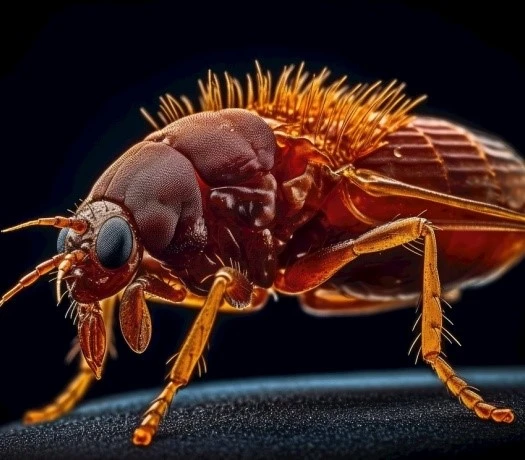
Fipronil does more than just rest on top of the GABA receptor. It gets into the chloride ion channel pore, stays there in the transmembrane domain, and physically stops ions from moving. The non-competitive process is very important because it means that increasing GABA amounts won't reverse the block; the channel will stay closed no matter how much of an inhibitory neurotransmitter the flea's nervous system releases. Compound fipronil drops, on the other hand, cause a cellular disruption that is essentially permanent, depriving the neuron of the ionic regulation it needs to work properly.
Structural Features That Enable Deep Channel Penetration
The chemical structure of fipronil makes this deep channel entry possible. The trifluoromethylsulfinyl group and the fact that the molecule is generally lipophilic make it easy for it to enter the hydrophobic core of the channel protein that is embedded in the membrane. The physical profile you see is not a coincidence; it's the result of careful molecular planning. As a result, the compound gets to its target spot quickly and stays there for a long time. This makes compound fipronil drops a powerful tool for any integrated pest control plan.
Compound Fipronil Drops and Flea Neuronal Hyperexcitation
When chloride ions can't get in, the neurons in the flea lose their ability to control other neurons. As a result, a series of brain events happen that quickly overload the insect's body.
From Inhibition Loss to Uncontrolled Firing
Without regulation by GABA, excitatory messages would continue to travel through the flea's nervous system without stopping. When motor neurons fire all the time, sensory pathways get clogged with false signals, and circuits in the central nervous system stop working together. These inner turmoils can be seen in the flea's irregular movement, clumsy limb activity, and shaking behavior. This overexcitation of neurons is not a side effect; it is what compound fipronil drops are supposed to do. It is the direct physiological result of long-term GABA channel blockade.
Hyperexcitation as a Systemic Event
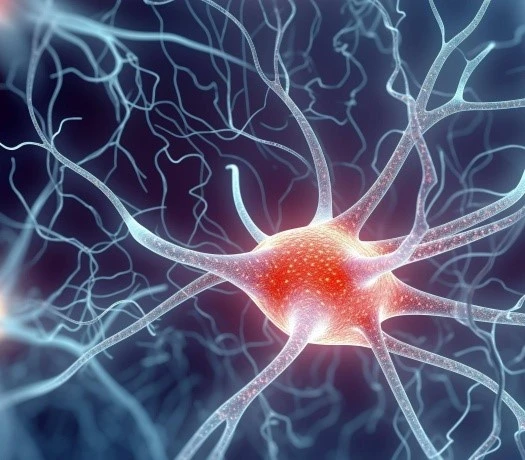
It's not just one nerve junction where flea neurons get very excited. Because there are GABA receptors in the insect nervous system, including in the brain, the ventral nerve cord, and the peripheral ganglia, fipronil's effects are felt all over the body. The insect's ability to organize moving, eating, and reproducing breaks down at the same time in several organ systems. This systemic nature explains why the effects of compound fipronil drops show up so quickly; they usually show up within hours of application.
How Do Compound Fipronil Drops Progress From Channel Blockade to Flea Death?
From an ion channel that is closed to a dead flea, there are several molecular processes that work together to speed up the process.
Energy Depletion and Cellular Failure
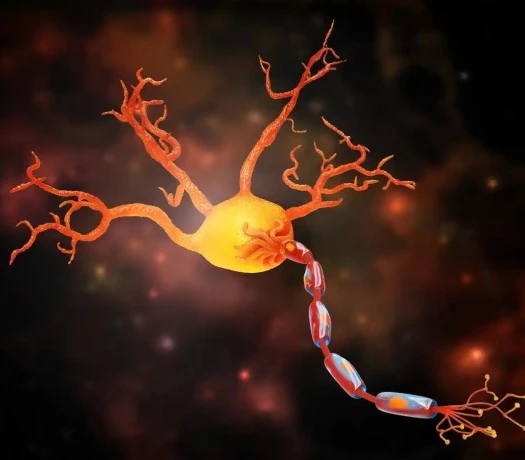
Neurons that are constantly overexcited need a lot of cellular energy. Neurons that are constantly using up their adenosine triphosphate (ATP) stores can't get more energy quickly enough. As ATP levels drop faster, membrane ion pumps stop working, cellular equilibrium breaks down, and nerve cells start to lose their structure in a way that can't be fixed. The bug has reached a physiological point where it can no longer recover. Compound fipronil drops keep the insect's nerves active all the time, which makes it basically eat itself from the inside out.
The Terminal Sequence: Paralysis and Mortality
As the neural damage gets worse, the flea loses all motor skills. Neurons lose their ability to fire after hyperexcitation and become paralyzed. The person stops eating and breathing, and all of their organs stop working, which is the end of the deadly chain. From the first channel blockade to hyperexcitation and death, the whole process can happen in 24 to 48 hours of meaningful exposure. One of the best things about compound fipronil drops is that they kill fleas quickly. This means that active flea infestations get better quickly, and fleas have less time to reproduce and spread again.
Conclusion
It's not a coincidence that combination compound fipronil drops work well against fleas. It comes from a very specific process that blocks GABA-gated chloride ion channels, keeping neurons overexcited, and slowly draining the insect's energy until it becomes paralyzed and dies. Fipronil is one of the most reliable active ingredients in current flea control products because its mode of action is well understood and backed up by studies. Manufacturers, formulators, and veterinary product developers who want to use a proven insecticide compound need to understand how this mechanism works in order to make reliable products that work.
FAQ
1. How do compound fipronil drops kill fleas?
+
-
Fipronil is a compound which drops attacks GABA-gated chloride channels in the neurological system of the flea. Fipronil works by inhibiting the flow of chloride ions, disrupting inhibitory nerve signalling and leading to unregulated neuronal activity. This may lead to hyperexcitation, paralysis and eventually death of fleas.
2. Do compound fipronil drops need to be ingested by fleas to work?
+
-
No. The article states that fipronil may be eaten by fleas or absorbed via touch. This means that fleas are exposed when they come into touch with treated skin or hair and the active component may reach the flea's nervous system without the need for a bite or feeding event.
3. How quickly can compound fipronil drops kill fleas?
+
-
The paper notes that the change from blocking GABA channels to hyperexcitation, paralysis and death may occur in 24 to 48 hours after significant exposure. It also says that the time may vary depending on the extent of exposure and the interaction of the flea with the active ingredient.
Source High-Quality Compound Fipronil Drops from Bloomtechz - Your Trusted Synthesis Partner
Bloomtechz can meet your formulation's needs for accuracy, stability, and quality that has been checked. Bloomtechz is a qualified provider of compound fipronil drops with more than 12 years of experience in organic synthesis and pharmaceutical intermediates. They work out of a 100,000 m² GMP-certified production plant that is certified by the US FDA, the EU GMP, Japan, and the CFDA. There are three levels of quality control for every batch: at the production site, by our own QA/QC staff, and by outside authority bodies. Over 24 big foreign companies work with us in the agrochemical, specialty chemicals, and pharmaceutical industries. Whether you need small amounts for testing in the lab or a lot of products to make, our team can give you exact pricing, wait times, and all the customs paperwork you need. Get in touch with us right away to talk about your buying needs.
Send us a message at Sales@bloomtechz.com.
References
1. Hosie, A. M., Baylis, H. A., Buckingham, S. D., & Sattelle, D. B. (1995). Actions of the insecticide fipronil on dieldrin-sensitive and resistant GABA receptors of Drosophila melanogaster. British Journal of Pharmacology, 115(6), 909–912.
2. Cole, L. M., Nicholson, R. A., & Casida, J. E. (1993). Action of phenylpyrazole insecticides at the GABA-gated chloride channel. Pesticide Biochemistry and Physiology, 46(1), 47–54.
3. Gant, D. B., Chalmers, A. E., Wolff, M. A., Hoffman, H. B., & Bushey, D. F. (1998). Fipronil: action at the GABA receptor. Reviews in Toxicology, 2(2–3), 147–156.
4. Narahashi, T., Zhao, X., Ikeda, T., Salgado, V. L., & Yeh, J. Z. (2010). Glutamate-activated chloride channels: unique fipronil targets present in insects but not in mammals. Pesticide Biochemistry and Physiology, 97(2), 149–152.
5. Overmyer, S. L., Rains, G. C., & Buntin, G. D. (2005). Differential susceptibility of flea species to fipronil: receptor pharmacology and residual activity studies. Journal of Economic Entomology, 98(3), 912–918.
6. U.S. Environmental Protection Agency. (2011). Reregistration Eligibility Decision (RED) for Fipronil. Office of Pesticide Programs, U.S. EPA, Washington, D.C.