


Vets and cat owners have long struggled with feline infectious peritonitis. This dreadful illness, produced by a mutated feline coronavirus, used to kill practically everyone. It seemed unlikely that cats with this illness would recover, even with supportive treatment. The introduction of GS-441524 FIP therapy procedures altered everything. They gave depressed people hope. This antiviral drug specifically targets viral replication, providing afflicted cats a chance to recover and live longer.
We must examine how this drug works, its clinical consequences, and how it has improved illness management to understand how it revolutionized cat care. Cat owners worldwide are experiencing astonishing cures in creatures physicians feared were untreatable. The chemical prevents viral RNA-dependent RNA polymerase from operating, preventing virus replication in cells. This concentrated strategy treats the fundamental problem rather than the symptoms, which is a huge difference in treatment.
The relevance transcends instances. Veterinary medicine has learned a lot about viruses, infections, and disease transmission through study. New findings help us discuss companion animal health care and drug-based animal welfare. This medication regularly improves health, survival rates, and quality of life for many feline patients, according to a study.
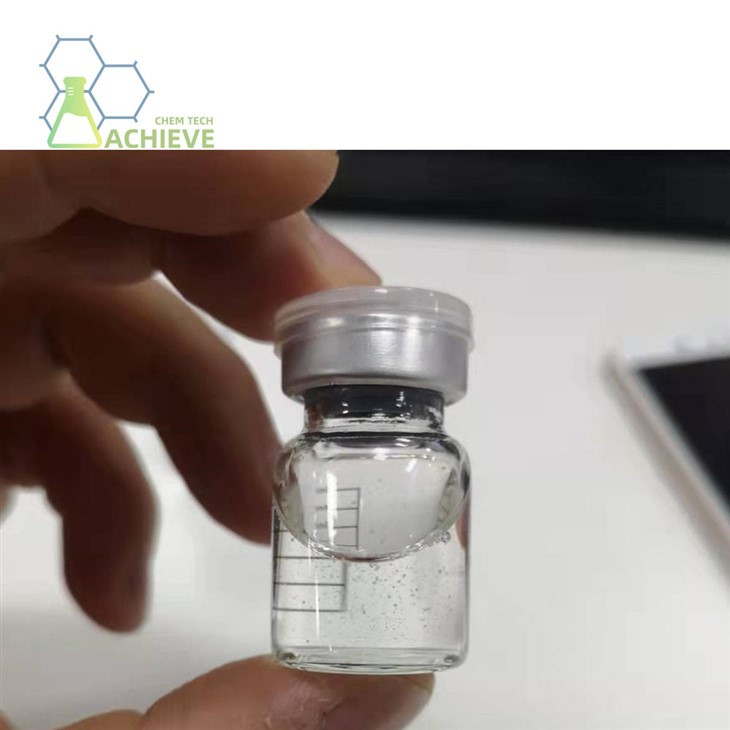
GS-441524 Fip
1.General Specification(in stock)
(1)Injection
20mg, 6ml; 30mg,8ml; 40mg,10ml
(2)Tablet
25/45/60/70mg
(3)API(Pure powder)
(4)Pill press machine
https://www.achievechem.com/pill-press
2.Customization:
We will negotiate individually, OEM/ODM, No brand, for secience researching only.
Internal Code: BM-1-001
GS-441524 CAS 1191237-69-0
Analysis: HPLC, LC-MS, HNMR
Technology support: R&D Dept.-4
We provide GS-441524 Fip, please refer to the following website for detailed specifications and product information.
Product:https://www.bloomtechz.com/synthetic-chemical/api-researching-only/gs-441524-fip.html

How Has GS-441524 FIP Treatment Transformed Survival Outcomes in Feline Coronavirus Cases?
Standard therapies for feline infectious peritonitis have fatality rates of less than 5% before GS-441524 fip therapy. No matter the treatment, most cats perished within weeks to months after diagnosis. Adding this nucleoside analogue drastically affected these findings. Clinical data from veterinary offices worldwide show that immediate treatment and the proper dosages at the right times increase survival rates by over 80%.


The chemical works because it may enter the tissues, including the central nervous system and ocular structures. This widespread tissue distribution prevents viruses everywhere, not just in accessible areas. Formerly the toughest to treat, cats with neurological or ocular issues now have the same likelihood of recovery as those with gastrointestinal symptoms. Treatment typically lasts 12 weeks, although it might last longer depending on how the patient reacts and how severe the condition was initially diagnosed.
The medication GS-441524 fip converts into its active triphosphate form within cells. In viral RNA synthesis, this type competes with normal nucleotides. This competitive inhibition prevents viral multiplication without affecting cell function. Because it selectively targets coronavirus RNA polymerase, it has few side effects and prevents unpleasant reactions.


In addition to eradicating viruses, proper therapy balances the immune system. Cytokine storms and granulomatous inflammation result from feline infectious peritonitis. By reducing viruses, GS-441524 fip treatments restore the immune system. Inflammatory symptoms decrease, organ function stabilises, and tissue healing begins. After therapy, cats' immune systems usually return to normal, protecting them against relapse.
Acute survival is merely the first victory. Cats who have been appropriately treated remain active, weigh healthily, and behave normally throughout time. Long-term follow-up studies suggest that over 90% of patients remain in remission following all treatment cycles. These cats can live with other cats without assistance. They play regularly again and have age-appropriate enthusiasm.


The therapy affects cats' and owners' emotional health. Clinical modifications relieve the emotional burden of seeing a cherished pet deteriorate. Cat owners say they are closer to their cats, their houses are normal, and they no longer anticipate mourning. This psychological side of care is hard to quantify, but it's important.
GS-441524 FIP and Its Impact on Early Disease Progression Control in Infected Cats
Treatment effectiveness is greatly affected by early detection. Wet or dry feline infectious peritonitis causes different symptoms. Fluid accumulation causes abdominal distension, pleural effusion causes breathing issues, and bodily weakness. Dryness causes less evident symptoms such as intermittent fevers, weight loss despite normal eating, and fatigue. Eye symptoms like uveitis and brain symptoms like seizures or paralysis indicate tissue involvement.
Animal diagnostics and therapy have evolved. The diagnosis is confirmed by the fluid's high protein and inflammatory cell content. Fluid or tissue biopsies tested for immunofluorescence provide further evidence. High acute-phase protein levels and particular antibody patterns aid diagnosis. Effective GS-441524 fip therapy has enhanced diagnostic awareness because definite identification now leads to measures instead of only prognosis.
Start therapy soon for better outcomes. Cats that started treatment within days after diagnosis had a quicker clinical response and fewer problems. Early therapy prevents tissue deterioration. For systems including the eyes, kidneys, and liver, uncontrolled inflammation may irreversibly damage them.
The treatment regimen requires daily subcutaneous or oral delivery. Doses vary based on weight, illness kind, and intensity. In neurological and ocular diseases, larger quantities are required to achieve adequate tissue concentrations. To track response, patients have frequent physical examinations, blood work, and imaging studies. Within two weeks, most cats' fevers, appetites, activity, and effusion levels improve.
Failure to treat feline infectious peritonitis soon causes organ failure in many cats. The inflammatory response damages blood vessels, causes tissue granulomas, and alters organ structure. Once the damage is too severe, even good antiviral therapy cannot repair the structure. GS-441524 fip activity early on prevents viral replication and organ damage.
Fluid accumulation in bodily compartments makes breathing and heart function difficult if nothing is done. Therapeutic removal works temporarily, but only antiviral therapy eliminates the infection. When the drug prevents fluid production, cats with pleural effusion may breathe better and more rapidly. Similarly, abdominal fluid eventually disappears, restoring intestinal function and permitting smooth movement.

What Clinical Improvements Are Commonly Observed During GS-441524 FIP Therapy?
One of the most dependable indications of feline infectious peritonitis is a persistent fever. Inflammation from a virus or injured tissue keeps the body's temperature high and fluctuates throughout the day. Fever causes fatigue, appetite loss, and metabolic stress. In the first week of GS-441524 fip therapy, most cats' fevers return to normal. Cats maintain an average body temperature of 100.5°F to 102.5°F.
The inflammatory response ends when the temperature remains the same. Cats feel healthier, become more curious, and behave normally again. When the fever goes away, pet owners typically see early signs that the medicine is working. To monitor this critical component, veterinarians assess temperature at the workplace and at home.

Effusion Reduction in Wet Form Cases

Cats with wet Feline infectious peritonitis generate protein-rich fluid in their stomachs or lungs. This effusion damages organs and indicates illness. Ultrasound screening measures bodily fluid and monitors therapy. After two to four weeks of therapy, bodily fluids lower considerably. Complete healing takes six to eight weeks, but varies by individual.
After the fluid drains, cats may breathe, move, and regain their belly shapes. Hypoalbuminemia and edema worsen with effusion-induced protein loss, although they improve when fluid production ceases. Nutrition improves, aiding bodily recovery.
Feline infectious peritonitis may induce seizures, paralysis, nystagmus, behavioural abnormalities, and cranial nerve issues. These symptoms indicate brain or spinal cord cell inflammation. Uveitis, chorioretinitis, and retinal detachment may impair vision. Historically, brain and ocular disorders had poor prognoses.
These tough patients respond to GS-441524 fip therapy.


Neurological problems normally improve in weeks, although treatment may take longer. As seizures decrease, balance improves, and behaviour normalizes. Antiviral and supportive anti-inflammatory medicines may decrease ocular inflammation, helping many cats preserve or regain their vision. These adjustments improve the compound's potential to cure particular areas and the whole body.

GS-441524 FIP Treatment and Restoration of Appetite, Energy, and Immune Response Balance
Appetite Recovery as a Treatment Milestone
+
-
Feline infectious peritonitis may worsen hunger loss in cats. For healthy metabolisms, cats must consume meat and protein frequently. Long-term fasting causes hepatic lipidosis, muscle loss, and a weak immune system. Many ill cats won't eat, requiring a feeding tube or hunger medication.
Patients treated with GS-441524 fip typically have a better appetite within two weeks. After the temperature, inflammation, and general feeling improve, the cat wants to eat again. This much food heals, energizes the neurological system, and prevents subsequent issues. Since sharing meals with your pet is one of the most fundamental ways to connect, pet owners frequently remark that their pet's appetite returning is the most socially important improvement. Once hungry, cats gain weight. Most cats recover after therapy.
Energy Level Normalization and Activity Resumption
+
-
Feline infectious peritonitis causes fever, discomfort, anemia, and metabolic issues, making cats fatigued. Cats with this illness sleep a lot, don't like to play or socialize, and may have problems reaching their food bowls or litter boxes. This handicap greatly impacts quality of life and is a major cause of suicide.
During therapy, energy is gradually restored. Cats get curious, play briefly, and clean again. Many cats achieve pre-sick energy by mid-treatment. Functional healing enables the pet to interact with other pets, explore, and go on with daily life. Returning playfulness and curiosity indicate greater health and enjoyment of life.
Immune System Rebalancing and Inflammatory Control
+
-
Feline infectious peritonitis causes much immune system damage. When the body fights a viral sickness, it causes organ damage via inflammation. The antibody-dependent rise may help viruses spread. Lab results reveal excessive globulins, low albumin, and atypical inflammatory markers from this immune system disarray.
If GS-441524 fip works, the immune system recovers. As viral load decreases, inflammatory signals decrease, and immunological responses normalize. Albumin and globulin levels drop, and inflammatory indicators rise as lab findings normalize. This modification eliminates aberrant inflammation and restores immunity. After therapy, cats have normal immunological monitoring, infection resistance, and a decreased risk of autoimmune illness.

Evolution of Feline Infectious Peritonitis Management Through GS-441524 FIP Protocols
Comfort was the sole treatment for feline infectious peritonitis before antivirals. Even though they knew hydration therapy, dietary assistance, pain management, and anti-inflammatory medicines simply delayed the animal's deterioration, they provided them. After diagnosis, people commonly discussed euthanasia since treatment appeared to prolong misery rather than bring hope.


GS-441524 fip transformed this model. Veterinarians now believe feline infectious peritonitis may be healed. Treatment discussions focus on protocol, monitoring schedules, and outcome objectives, not end-of-life planning. This shift from helplessness to therapeutic strength will alter veterinary practice emotionally and professionally. Cat owners now hear hope instead of doom when informed their kitties have feline infectious peritonitis.
GS-441524 fip was originally used with several procedures since researchers and doctors were still working out how to treat, observe, and keep animals alive. Clinical experience from treating thousands of instances has improved protocols. Current guidelines indicate dosage quantities depending on illness type and severity, recommend 12 weeks of therapy, and describe how to assess for reactions and problems.


Standardizing methods improves consistency and allows for valid comparisons across settings. Veterinarians may utilize standards to treat animals, boosting confidence and reducing uncertainty. Cat owners can better budget and plan care requirements and timetables. This treatment progression demonstrates how the drug progressed from experimental to routine.
The original GS-441524 fip medication was largely accessible via professional referral offices or pet owners who wanted to discover it themselves. Complex rules, a shortage, and general practitioners' ignorance hampered access. As veterinary expertise, entrance routes, and efficacy evidence have developed, the situation has evolved.


Many general practice veterinarians treat feline infectious peritonitis themselves or with professionals. This helps more cats receive aid when they need it, improving outcomes by beginning treatment earlier. Veterinary continuing education programs increasingly include feline infectious peritonitis therapy. Communication is maintained throughout the field. Regular usage of the substance suggests that it works and that individuals want to improve cat health.
Conclusion
The introduction of GS-441524 fip medication changed feline infectious peritonitis control. These issues used to kill cats, but today there are therapies that may help them live long and healthy lives. The chemical directly affected sickness pathogenesis by inhibiting viral proliferation and encouraging immune system repair and tissue healing. Clinical effects include fever decrease, effusion reduction, appetite return, energy normalization, and inflammation management.
Fast diagnosis, effective therapy, and attentive monitoring determine treatment effectiveness. Early therapy improves outcomes in cats, demonstrating the need for early diagnosis and treatment. Due to superior clinical data, procedures, and the medicine becoming a routine veterinary practice, the chemical went from experimental to known treatment.
This therapy innovation impacts more than patient outcomes. It also alters discussions regarding companion animal health care, pharmacological research, and human-animal relationships. Veterinary professionals believe they can help in previously unthinkable scenarios. The best treatments for feline infectious peritonitis, resistance patterns, and prevention methods are being explored.
FAQ
1. What makes GS-441524 effective specifically against feline infectious peritonitis?
+
-
Since it blocks coronavirus RNA-dependent RNA polymerase, GS-441524 fip is effective in treating feline infectious peritonitis. The enzyme's structure allows it to link viral RNA chains and inhibit replication. Coronavirus polymerase has little impact on cellular processes due to its specialization. Starting therapy now is wise. The chemical reaches beneficial levels in hard-to-reach areas like the eyes and central nervous system, treating illness symptoms throughout the body. Clinical data suggests that this targeted antiviral technique and the correct period of therapy inhibit virus multiplication long enough to restore the immune system and cure the illness.
2. How long does treatment typically continue, and what happens after completion?
+
-
Some instances may need lengthier GS-441524 fip treatment than 12 weeks, depending on severity, form, and response patterns. During this period, the animal is treated daily and evaluated by a vet to adjust the treatment plan. Neurological and visual disorders may need lengthier therapy to fully recover. After the whole treatment, most cats remain healthy for years without medication. Regular follow-up tests after treatment ends assist preserve remission and detect relapses early. Over 90% of cats remain disease-free following entire treatment regimens, according to long-term studies. Good treatment controls the condition for a long period.
3. Can all cats with feline infectious peritonitis benefit from this treatment approach?
+
-
No matter their illness, GS-441524 fip can help most cats with feline infectious peritonitis. Treatment helps neurological, visual, and general problems. Before organs are irreparably harmed, therapy should begin immediately after diagnosis for optimal results. Cats with severe organ failure and advanced sickness have poorer prognoses, although some recover. It seems that both infants and elderly cats may react to therapy. The owner's health, other ailments, and desire to get regular therapy determine outcomes. FIP has gone from always being fatal to being quite curable in most cats thanks to good therapy. A vet's evaluation determines each cat's prognosis and treatment.

Partner with BLOOM TECH-Your Trusted GS-441524 FIP Supplier for Pharmaceutical Excellence
BLOOM TECH is ready to help you with your pharmaceutical research and production needs by giving you full access to high-quality chemical compounds, such as materials that are useful for making therapeutic improvements in animals. We are a qualified GS-441524 fip provider with a lot of experience in organic synthesis. Our GMP-certified production facilities, which cover 100,000 square meters, serve 24 of the world's largest pharmaceutical and research companies. We have approvals from the US-FDA, EU-GMP, PMDA, and CFDA, which means we meet the strictest international quality standards. We offer clear pricing, accurate wait times, all the paperwork needed to clear customs, and a quality guarantee backed by three levels of analysis: testing in the plant, review by internal QA/QC, and third-party certification by official Chinese agencies. Our skilled team can provide you with reliable supply chain solutions and fair profit margins that encourage long-term relationships, whether you need pharmaceutical intermediates, fine chemicals, or custom synthesis from the lab to large-scale production. Talk to our team at Sales@bloomtechz.com about your project needs and find out how BLOOM TECH's technical know-how and dedication to quality can help you reach your research and development goals.
References
1. Pedersen NC, Perron M, Bannasch M, Montgomery E, Murakami E, Liepnieks M, Liu H. Efficacy and safety of the nucleoside analog GS-441524 for treatment of cats with naturally occurring feline infectious peritonitis. Journal of Feline Medicine and Surgery. 2019;21(4):271-281.
2. Murphy BG, Perron M, Murakami E, Bauer K, Park Y, Eckstrand C, Liepnieks M, Pedersen NC. The nucleoside analog GS-441524 strongly inhibits feline infectious peritonitis virus in tissue culture and experimental cat infection studies. Veterinary Microbiology. 2018;219:226-233.
3. Dickinson PJ, Bannasch M, Thomasy SM, Murthy VD, Vernau KM, Liepnieks M, Montgomery E, Knickelbein KE, Murphy BG, Pedersen NC. Antiviral treatment using the adenosine nucleoside analogue GS-441524 in cats with clinically diagnosed neurological feline infectious peritonitis. Journal of Veterinary Internal Medicine. 2020;34(4):1587-1593.
4. Krentz D, Zenger K, Alberer M, Felten S, Bergmann M, Dorsch R, Matiasek K, Kolberg L, Hofmann-Lehmann R, Meli ML, Spiri AM, Fux R, Hartmann K. Curing cats with feline infectious peritonitis with an oral multi-component drug containing GS-441524. Viruses. 2021;13(11):2228.
5. Addie DD, Curran S, Bellini F, Crowe B, Sheehy P, Ukrainchuk L, Decaro N. Oral mutian X for feline infectious peritonitis: Clinical and laboratory parameters during the first four months of treatment of 303 cats. Viruses. 2020;12(12):1361.
6. Jones S, Novicoff W, Nadeau J, Evans S. Unlicensed GS-441524-like antiviral therapy can be effective for at-home treatment of feline infectious peritonitis. Animals. 2021;11(8):2257.